
The Best Stargazing Places in the World
186 certified dark-sky parks, reserves, sanctuaries and communities across 29 countries. Find the nearest truly dark sky, plan a visit, and see the Milky Way for real.

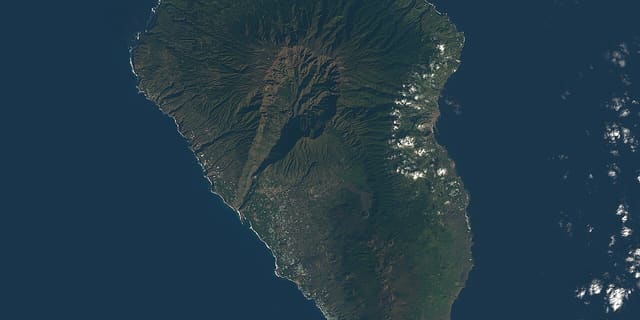 Starlight Reserve
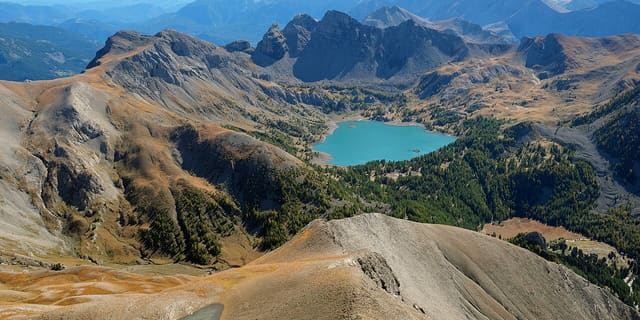 Reserve
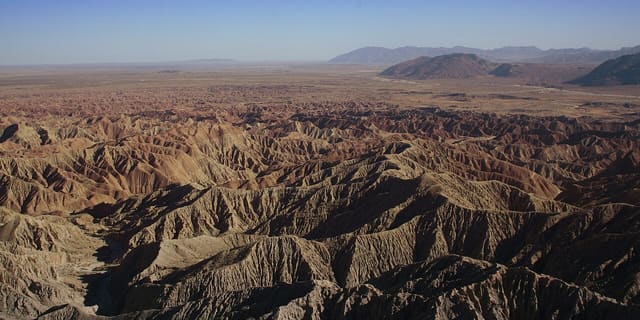 Dark Sky Park
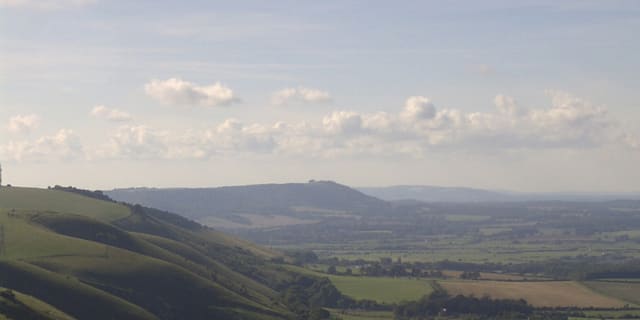 Reserve
 Reserve
 Reserve
 Dark Sky Park
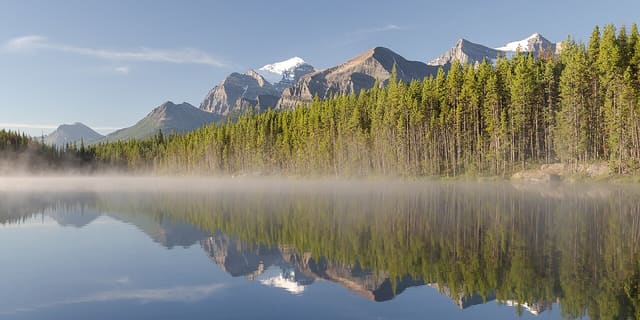
Big Cypress National Preserve
729,000-acre area in Florida (US) managed by the National Park Service

 Preserve
 Preserve
 Dark Sky Park
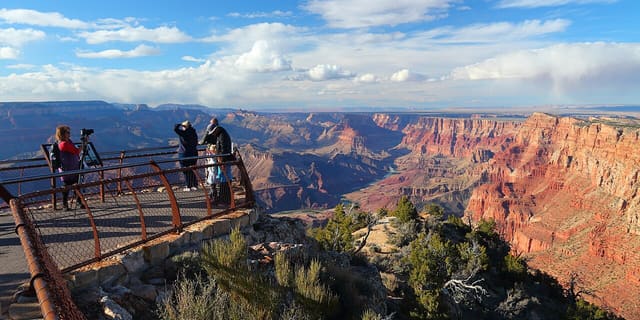
Grand Canyon National Park
national park in Coconino and Mohave counties in Arizona, United States

 Dark Sky Park
 Dark Sky Park
 Preserve
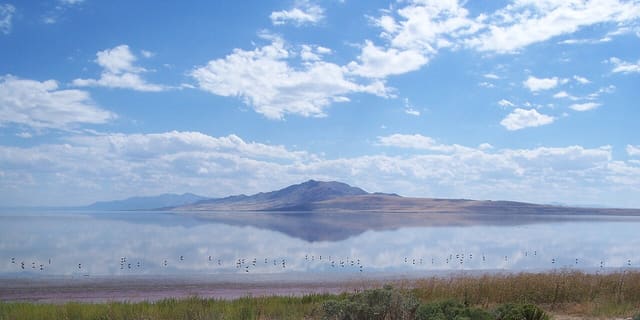 Dark Sky Park
Antelope Island State Park
state park in Davis County, Utah, United States

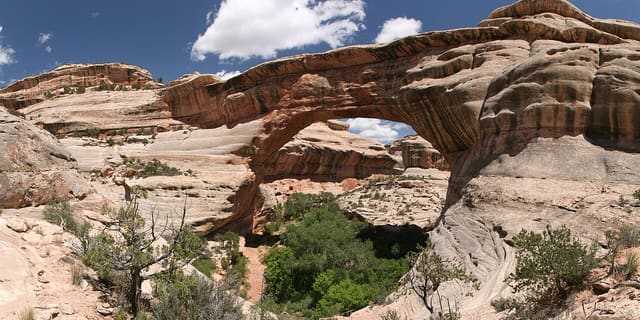 Dark Sky Park
Natural Bridges National Monument
national monument in San Juan County, Utah, United States

 Community
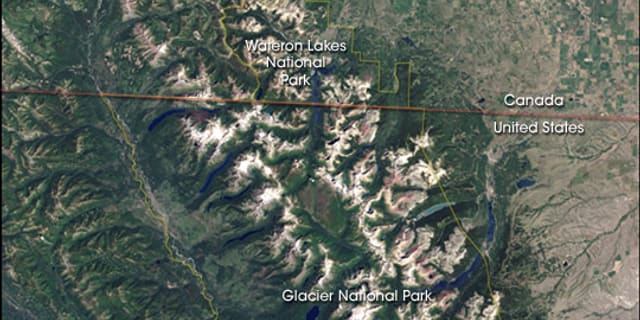 Dark Sky Park
Waterton-Glacier International Peace Park
international park in the United States of America and Canada

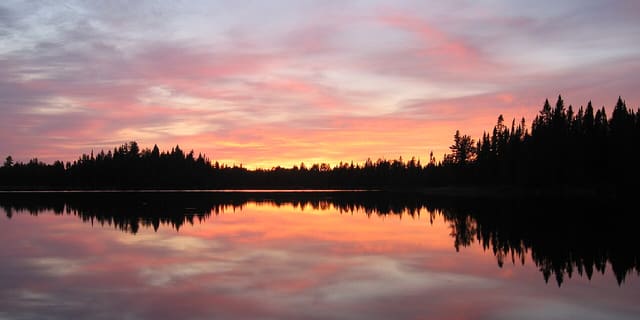 Sanctuary
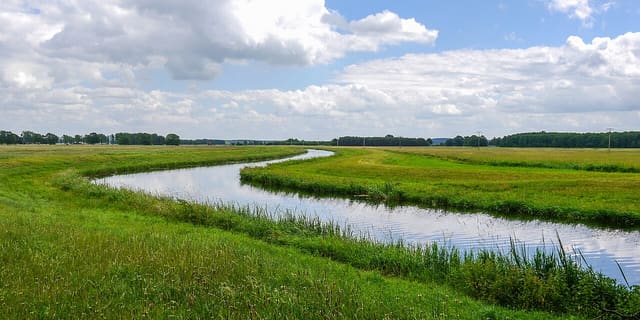 Reserve
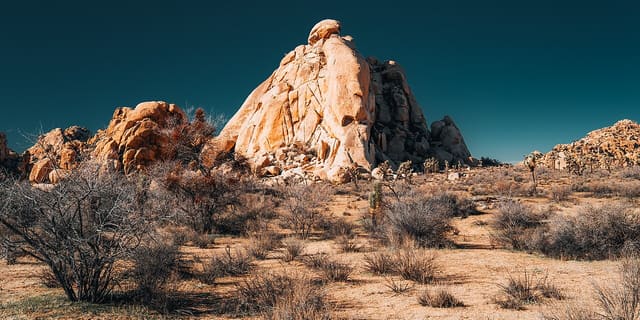 Dark Sky Park
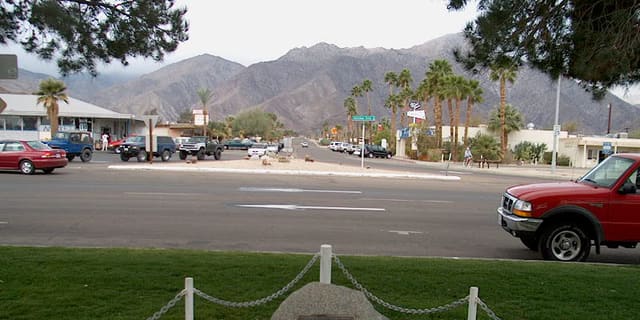 Community
Borrego Springs
census-designated place in San Diego County, California, United States

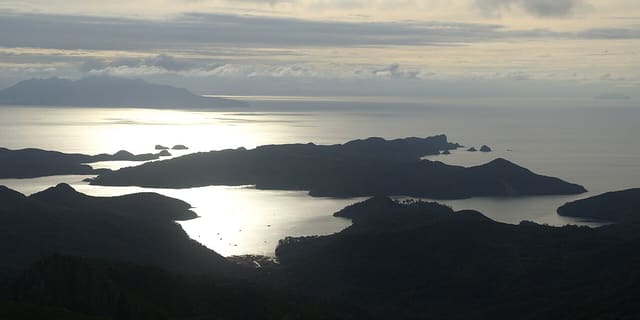 Sanctuary
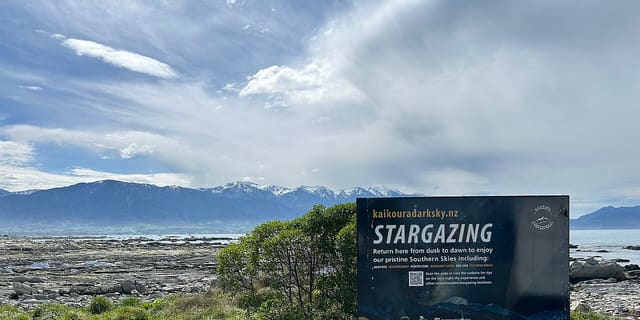 Preserve
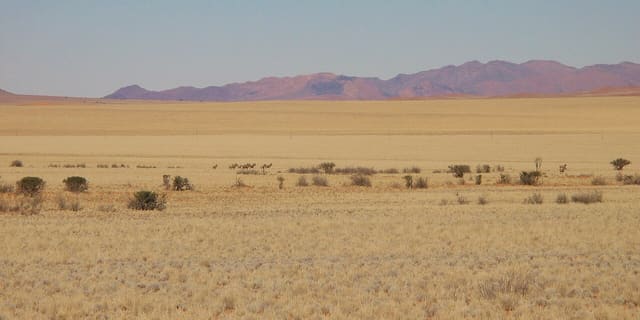 Reserve
What makes these the best places to stargaze
Every entry in this list is a formally recognised dark-sky area - most certified by DarkSky International, the body behind the International Dark Sky Places programme, with the famous Starlight Foundation reserves of Spain and Portugal (Teide, La Palma, Alqueva) alongside them. Certification is earned, not claimed: sites must measure the darkness of their night sky, protect it with responsible lighting, and keep it that way. The list currently covers 186 places in 29 countries: Park (90) · Dark-sky preserve (33) · Community (26) · Reserve (20) · Sanctuary (11) · Starlight Reserve (5) · Starlight Tourist Destination (1).
What each listing includes
Every place page shows the location on a map with coordinates, the official designation and year, photos, a researched guide to visiting and what you'll see, and the nearest other dark-sky places - so you can plan a whole trip under the stars from one page. No telescope? Pair your visit with an observatory near you, or learn the seasonal landmarks in our star names directory before you set out.
Sources
Compiled from open, citable datasets: Wikidata (locations, designations), Wikipedia (descriptions, CC BY-SA), photographs from Wikimedia Commons (credited on each page), and the certification lists published by DarkSky International.
Dark-sky questions, answered
Make the night yours
Name a real star and find it from the darkest skies on Earth with its exact coordinates.
Name a star →