
Astronomical Observatory Directory
Browse 810 researched astronomy observatories across 73 countries, from major research telescopes to public stargazing domes. Records enter this directory only after they meet the site's source and content-quality checks.

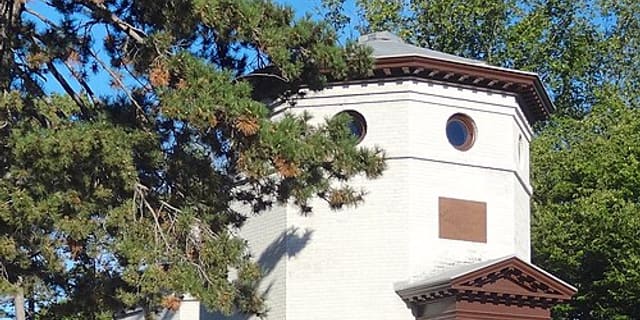
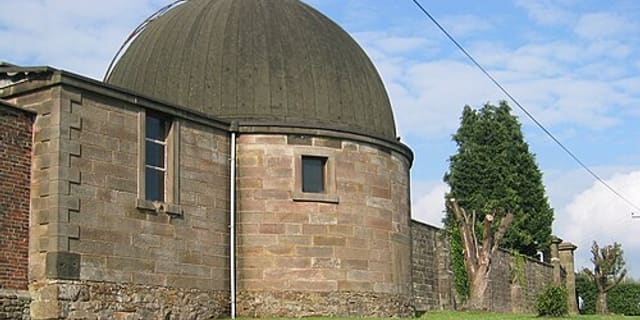
Daniel S. Schanck Observatory
historical astronomical observatory in New Brunswick, New Jersey

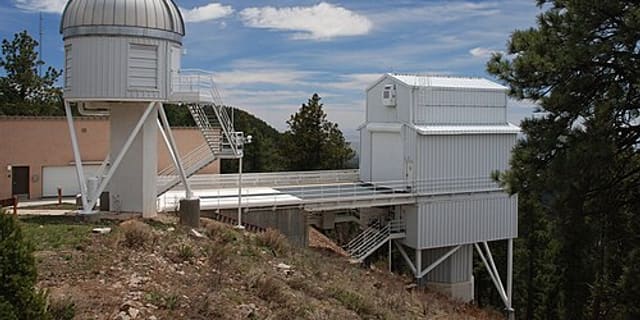
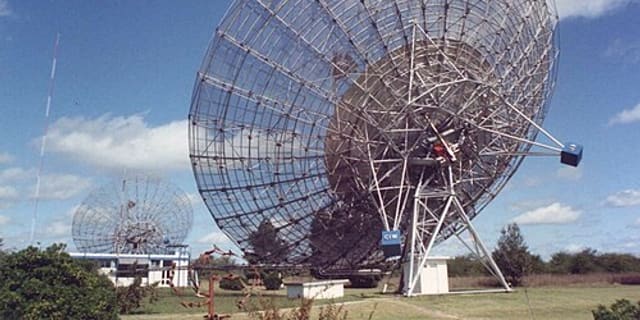
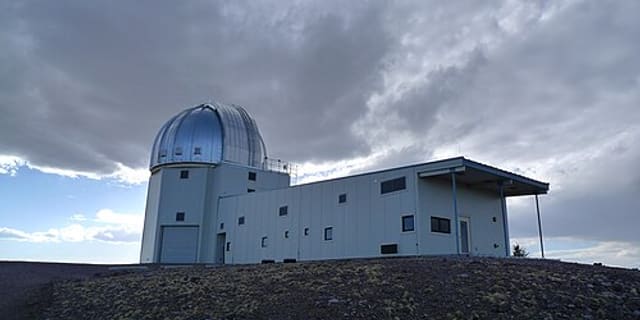
Apache Point Observatory
astronomical observatory in Sunspot, New Mexico, United States

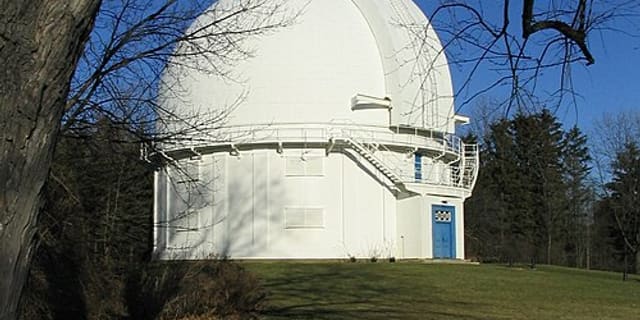

 Research
 Museum
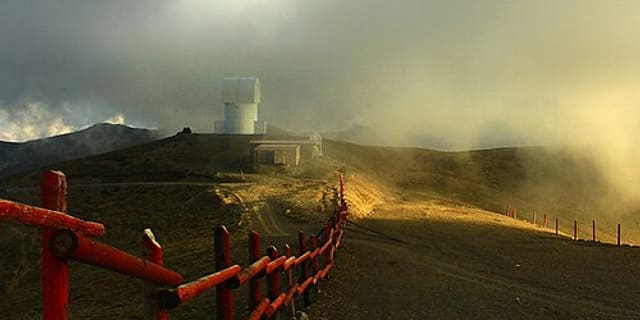






 Radio
Radio
 Research
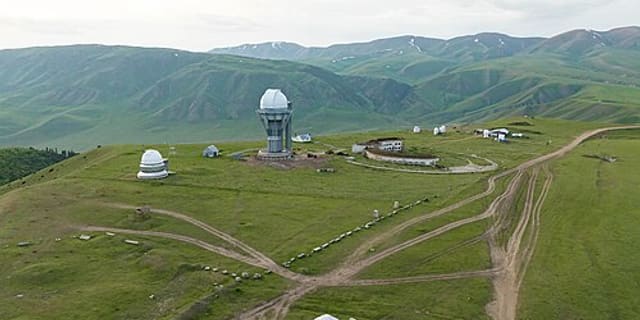
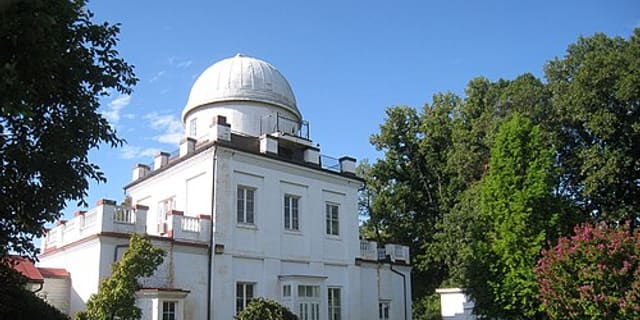
Assy-Turgen Observatory
observatory in Enbekshikazakh District, Almaty Region, Kazakhstan

 Research
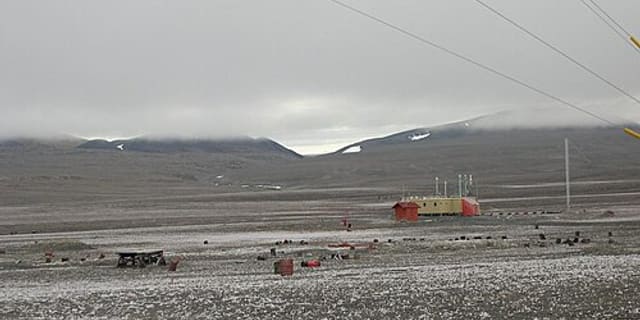
Georgetown University Astronomical Observatory
historical observatory on the campus of Georgetown University


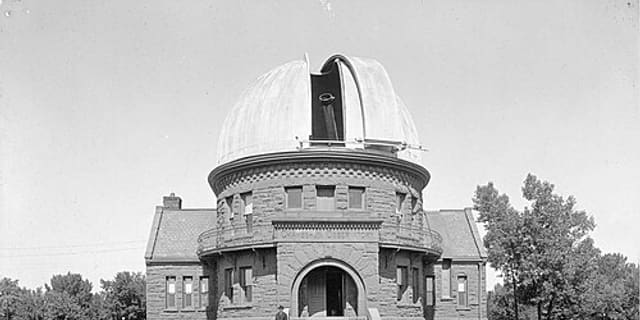
Chamberlin Observatory
astronomical observatory in Denver, United States of America




 Research
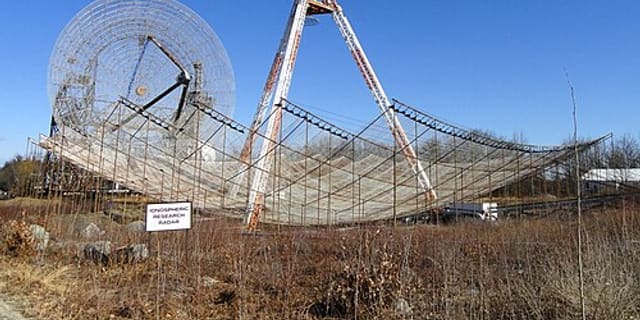

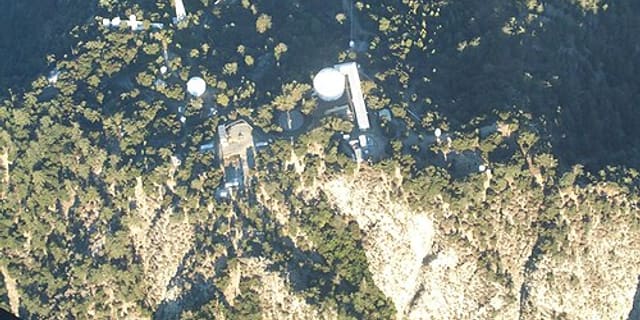
Mount Wilson Observatory
astronomical observatory in Los Angeles County, California

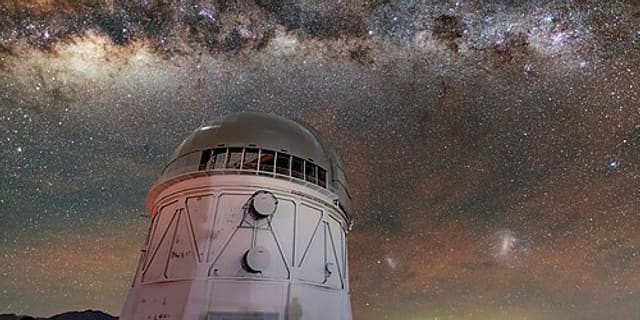

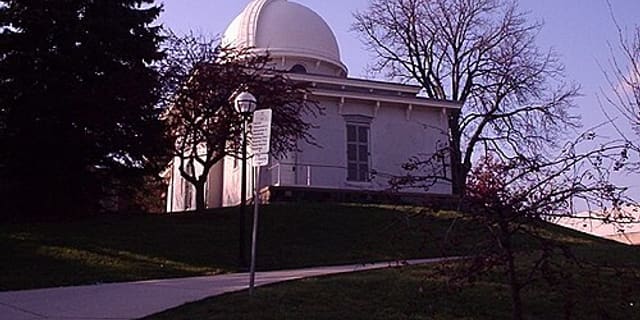
Detroit Observatory
astronomical observatory in Ann Arbor, United States of America

 Research
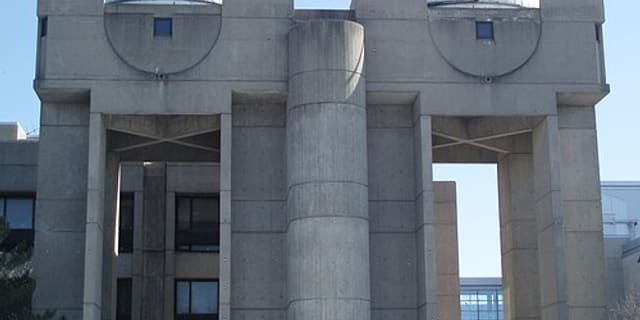
Rutherfurd Observatory
astronomical facility maintained by Columbia University

 Research
The complete observatory list, explained
This directory aims to be the most complete list of astronomical observatories anywhere: professional research facilities such as Mauna Kea, Paranal and Roque de los Muchachos, historic university observatories, public observatories and planetariums, plus radio, solar and space-tracking sites and hundreds of IAU Minor Planet Center–registered amateur stations. Right now it covers 810 observatories in 73 countries: Europe (374) · North America (213) · Asia (108) · South America (48) · Oceania (39) · Africa (15).
What each listing includes
Every observatory page shows the exact location on a map with coordinates and elevation, founding year, photos, a researched write-up of its history and telescopes, opening hours and wheelchair accessibility where recorded, a link to the official website, and the closest other observatories - so you can plan a whole stargazing trip from one page. Before a public observing session, choose a target from the star-name guides and bring its finder coordinates.
How the list stays accurate
The records are merged from several open datasets and then cleaned by hand: we de-duplicate transliteration variants and renamed institutions, fold Minor Planet Center code stubs into their real observatories, and verify questionable pairs against Wikidata, Wikipedia and each observatory's own site. New photos, visiting details and guides are added continuously.
Observatory questions, answered
What to ask at the observatory
Observatory staff can aim a telescope at any point in the sky - they just need the right details from your certificate. Here's exactly what to bring and say.
What to bring
- ✦Your certificateIt lists your star's coordinates and registration number.
- ✦The coordinates (RA & Dec)Right Ascension and Declination - the sky's "latitude & longitude".
- ✦The Night Sky appEnter your registration number for an augmented-reality pointer.
What to say
- "Could you point the telescope to Right Ascension [your RA] and Declination [your Dec]?" Most modern telescopes have a Go-To system that slews straight to those numbers.
- "My star is in the constellation [your constellation]." This helps staff confirm the aim.
- "When is [the constellation] highest in the sky?" Ask for the best date and time - a star is easiest to see when its constellation is well above the horizon.
- "What magnitude can this telescope show?" Named stars are often around magnitude 6–9, so a telescope (not the naked eye) is usually needed.
- "Could we take a photo through the eyepiece?" Many observatories are happy to help you capture the moment.
Data sources
This list is compiled and cross-checked from open, citable datasets, and every observatory page links back to the primary sources used for that entry:
- Wikidata - the base register of observatories: names, coordinates, founding years and official-website links (CC0).
- Wikipedia - history and description extracts (CC BY-SA), with photographs from Wikimedia Commons credited on each page.
- OpenStreetMap - opening hours, wheelchair accessibility, operator, admission and contact details where mapped (ODbL), plus the location maps.
- IAU Minor Planet Center - the official observatory-code list, used to identify registered stations and to verify and de-duplicate entries.
- Official observatory websites - visiting information, corrections and enrichment for the researched guides.
- Satellite imagery for location previews: Esri, Maxar, Earthstar Geographics.
Spotted an error or a missing observatory? Data is reviewed continuously - corrections from observatory staff are especially welcome via the contact details in the footer.
Looking for the full A-Z list?
Every one of the 810 observatories, grouped by region and linked to its own guide page, lives on one page: browse the complete observatory list. Prefer skies to telescopes? Explore the best stargazing places in the world - certified dark-sky parks, reserves and sanctuaries.
Don't have a star yet?
Name a real, visible star today and receive its exact coordinates to take to any observatory.
Name a star →