
Berlin Observatory

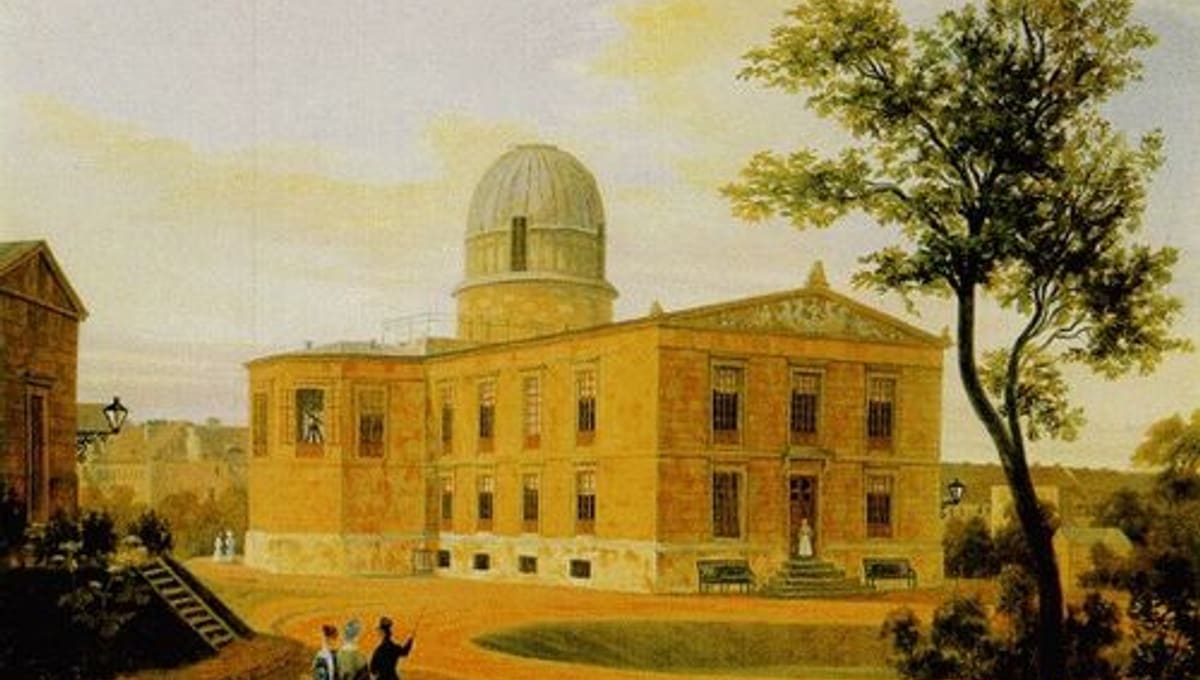
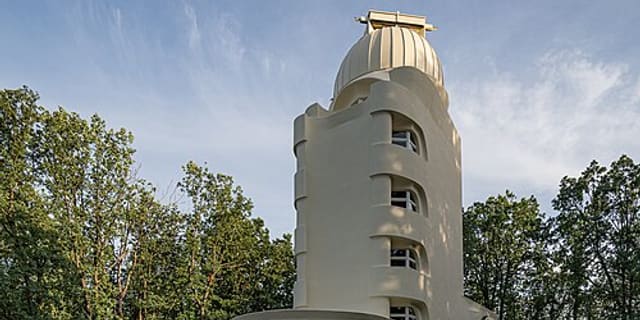
Image: Wikimedia Commons
Berlin Observatory is not a single building but a 300-year lineage of astronomical institutions in and around Berlin, Germany, whose successor sites still welcome stargazers today.
About Berlin Observatory
The Berlin Observatory (German: Berliner Sternwarte) traces its roots to 1700, when Gottfried Leibniz founded the Brandenburg Society of Science, which became the Prussian Academy of Sciences in 1744. The society's astronomer, Gottfried Kirch, initially observed from a private observatory in the city before a small public observatory was furnished in 1711, funded by calendar-making.
History
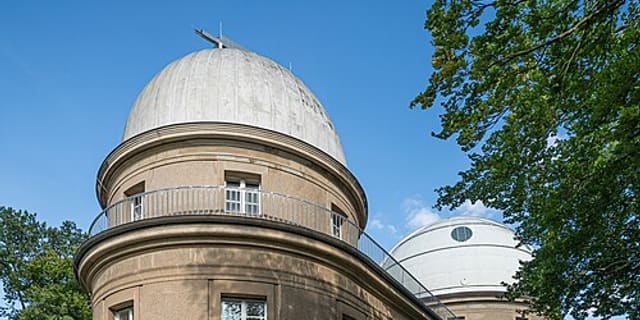
The observatory's most celebrated era began in 1825, when King Frederick William III of Prussia appointed Johann Franz Encke as director. With backing from Alexander von Humboldt, Encke secured funding for a proper observatory, designed by architect Karl Friedrich Schinkel and opened in 1835 on condition that it stay open to the public two nights a week. It carried the IAU observatory code 548. As Berlin grew up around it and city lights made observing difficult, the institution relocated to Potsdam-Babelsberg in 1913, taking the code 536; since 1992 that site has been run by the Leibniz Institute for Astrophysics Potsdam (AIP), though it has not hosted German research observations since the 20th century.
Berlin's observatories today
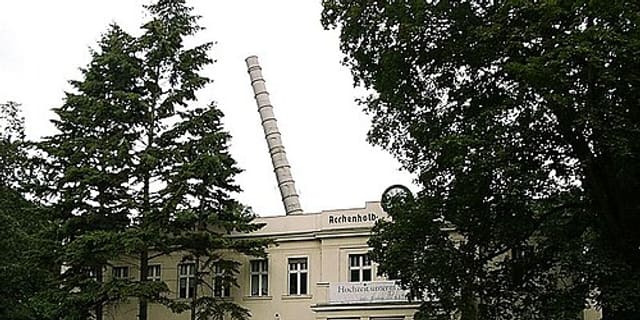
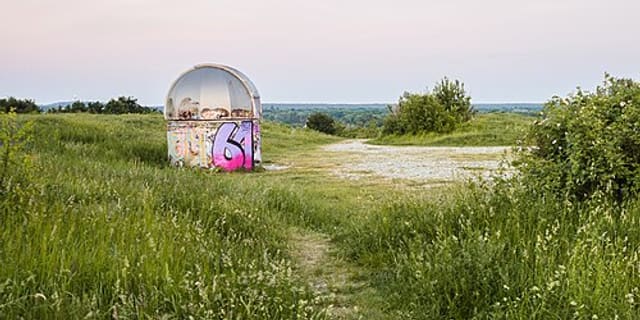
Several descendant and related observatories still operate within Berlin itself, including the Wilhelm Foerster Observatory (IAU code 544) on the Insulaner hill, the Archenhold Observatory in Berlin-Treptow (IAU code 604), the Urania Observatory (IAU code 537) and the Bruno H. Bürgel Observatory. The Wilhelm Foerster Observatory, paired with the Planetarium am Insulaner, centres on a 12-inch Bamberg refractor and opens for scheduled public events rather than daily walk-in hours.
Location & getting there
These observatories are spread across Berlin, Germany, from the historic Academy sites in the city centre to Insulaner in Schöneberg and Treptow in the east, all reachable on Berlin's public transport network.
Visiting Berlin Observatory
The original Berliner Sternwarte building no longer operates as a research observatory, but its Wilhelm Foerster successor holds public observing nights and planetarium shows; a planetarium ticket also allows a follow-up visit to the observatory itself within six weeks. Check the current Planetarium Berlin schedule before travelling.
See your named star from here
Two and a half centuries after Kirch first logged the stars over Berlin, the city's observatories still let visitors look through a real telescope at real coordinates, including the right ascension and declination of a star named through star-register.eu. Browse the star catalogue or see our naming packages.
Opening hours and public-visit programs vary by season. Check Google Maps for current times before you travel.
Institutional and reference sources used to verify this guide.
Satellite imagery: Esri, Maxar, Earthstar Geographics

 6 km
6 km
 17 kmPublic
 23 kmResearch
 26 km
26 km