
Alpes Azur Mercantour Dark Sky Reserve

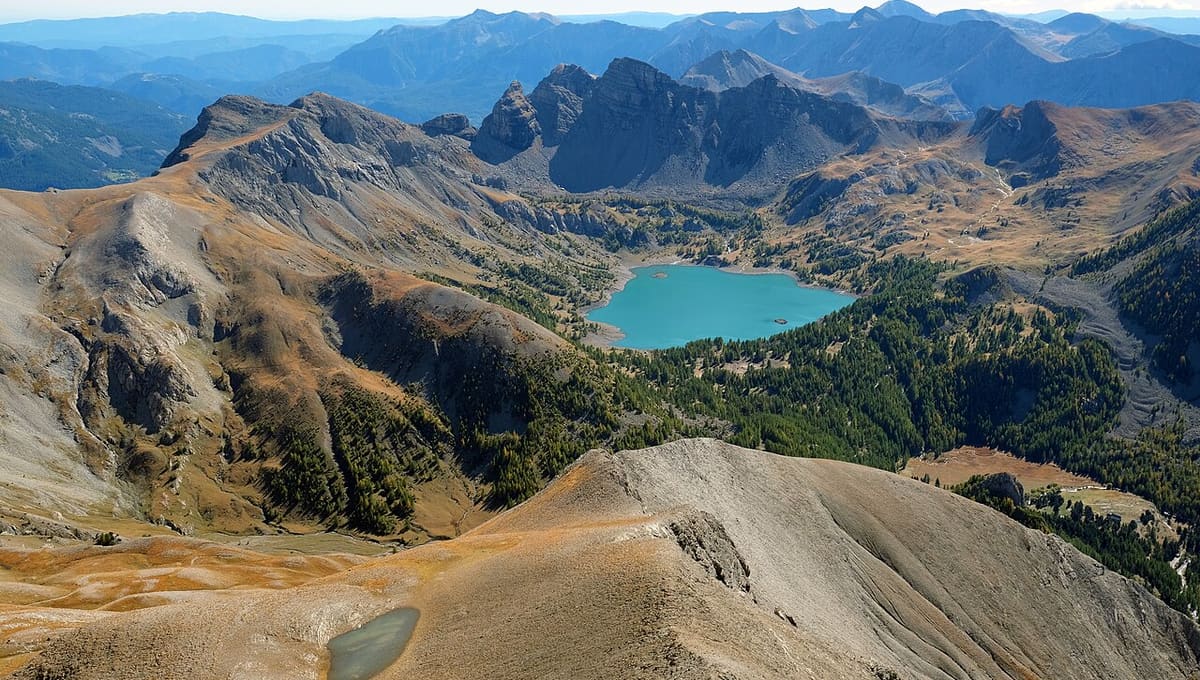
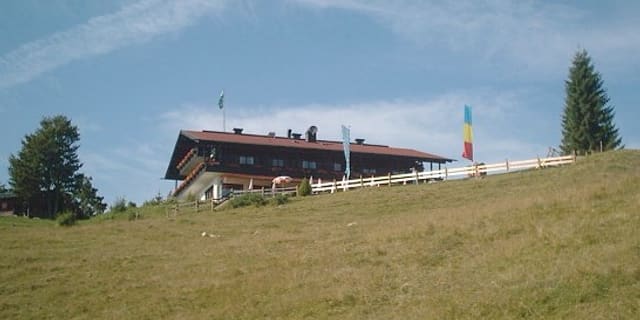
Image: kallerna · CC BY-SA 4.0 · Wikimedia Commons
Alpes Azur Mercantour Dark Sky Reserve spans the Alpes-de-Haute-Provence and Alpes-Maritimes departments of southeastern France, wrapped around the historic Mercantour National Park. Certified as an International Dark Sky Reserve in December 2019, it was only the third such reserve in France, protecting a night sky that has drawn astronomers to these mountains since the 19th century.
Why Alpes Azur Mercantour is a top stargazing spot
The reserve was originally established across 75 municipalities and roughly 2,300 km², home to about 55,000 people who committed to controlling light pollution across the whole territory, not just around a single peak. It has since expanded to around 3,700 km², now taking in the entirety of Mercantour National Park. That scale is rare: it takes sustained cooperation from dozens of towns to earn International Dark Sky Association certification. Within the reserve, three core observation areas are kept especially dark, and a network of six professional and amateur astronomy sites, including the historic Mont Mounier Observatory ruins, the Plateau de Calern and the Vallon de la Moutière, reflects a long local tradition of watching the sky from these ridgelines. Nineteen visitor Info Points are spread across popular areas such as Allos lake, the Cayolle and Bonette mountain roads and the Valley of Wonders, helping visitors get their bearings before heading into the dark zones.
What you can see
Under clear alpine air, visitors to the core zones can pick out more than 3,000 individual stars with the naked eye, along with the arc of the Milky Way stretching overhead on moonless nights. High altitude and low humidity are what make this stretch of the Alps a magnet for astronomers, so expect crisp views of star clusters and, in season, meteor showers away from the glow of the Cote d'Azur below.
Visiting Alpes Azur Mercantour at night
The reserve's mountain villages and ski resorts, including Valberg and Pra Loup, sit right at the edge of the dark zones and often host organised stargazing evenings. The Plateau de Calern Observatory runs guided tours most Sundays at 3:30pm, lasting around three hours, for a small fee. The reserve's astronomy calendar also includes Coupoles Ouvertes open-observatory nights, storytelling visits, the Science Festival, Nice Astronomy Week, European Heritage Days and the Night of Researchers, so there is usually something on for visitors who want more than a self-guided walk under the stars. Camping options such as Camping Le Cians and Azur et Merveilles, along with mountain refuges for hikers, make it easy to stay close to the dark zones overnight. As with any high-altitude destination, conditions and access vary by season, so check current trail and road status with the national park before heading up after dark.
Best time to go
At this northern mid-latitude, the Milky Way's core is highest and brightest from around March to September, while winter skies favour Orion and the bright stars of the cold-weather constellations. The Perseids in August and the Geminids in December are the standout meteor showers to plan a trip around. Whatever the season, aim for the nights around the new Moon, allow twenty to thirty minutes for your eyes to adapt to the dark, and carry a red light instead of a white torch to keep your night vision intact.
Getting there
The reserve is easily reached from Nice: about 30 minutes by car, roughly 90 minutes by train, or around two and a half hours by bus, depending on which part of the reserve you're heading for. Villages along the Barcelonnette to Sospel road make convenient bases for exploring the reserve's different dark zones.
See your named star from here
A sky this dark reveals stars that are simply invisible from any city, which makes Alpes Azur Mercantour an ideal place to track down a star you've had named through Star Register. Bring your certificate's coordinates and a stargazing app, browse the full star catalogue beforehand, and pair the trip with a look at nearby observatories for an even deeper night under the stars.
Conditions and access vary by season. Check the official website and Google Maps before you travel, and aim for a clear night near the new Moon for the darkest sky.
Satellite imagery: Esri, Maxar, Earthstar Geographics

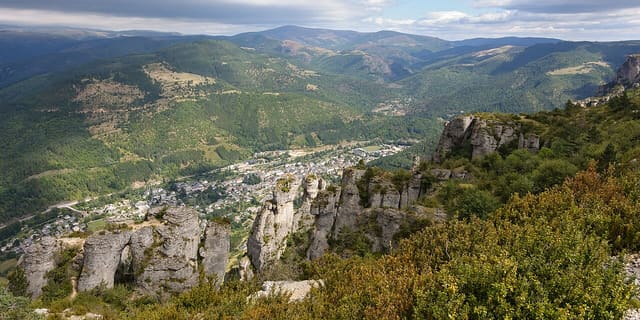 294 kmReserve
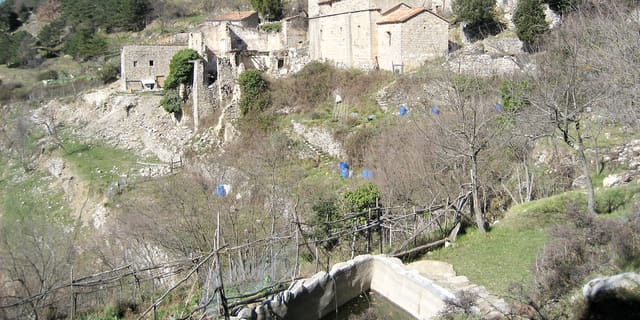 410 kmDark Sky Park
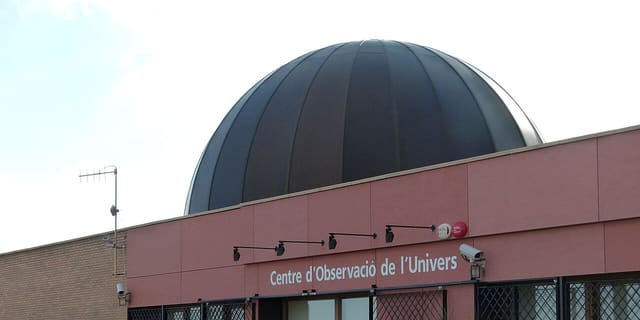 567 kmReserve
 576 kmDark Sky Park