
Winklmoos-Alm

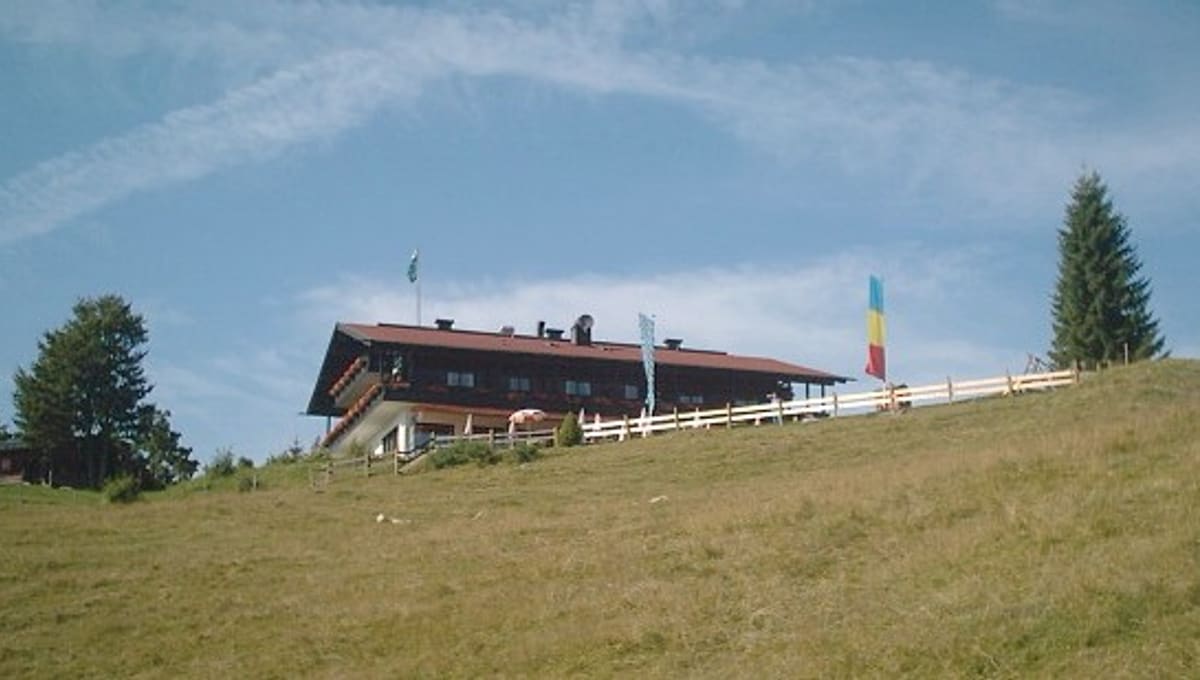
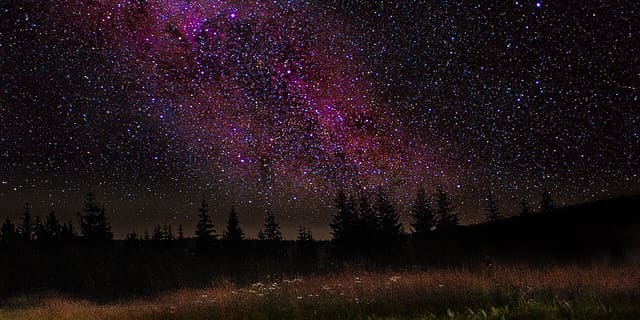
Image: Nixalsverdruss, · CC BY-SA 3.0 · Wikimedia Commons
Winklmoos-Alm is a high alpine meadow near Reit im Winkl in Upper Bavaria, Germany, close to the Austrian border, and since May 2018 it has held International Dark Sky Park status, the first such designation anywhere in the Alps.
Why Winklmoos-Alm is a top stargazing spot
The certified area covers 79 privately held hectares of open meadow at around 1,200 metres elevation, giving visitors 360-degree unobstructed views of the sky. It was the fourth dark-sky park to be certified in Germany, and its alpine elevation and distance from major towns keep light pollution low.
What you can see
Under clear skies, more than 5,000 stars are visible to the naked eye here, compared with roughly 500 from a city like Munich. The open, unobstructed horizon also makes it a good spot for following the Milky Way and constellations as they move through the night, and special star benches dotted around the meadow are built specifically for comfortable naked-eye observation.
Visiting Winklmoos-Alm at night
The site runs weekly nighttime astronomy events in summer, led by trained staff who guide visitors through constellations, the scale of the galaxy, the Milky Way, and the effects of light pollution. Access around the alpine meadow is free at night outside of these guided tours. In summer the meadow is reachable by a toll road from Seegatterl, and a lift ticket includes free parking at the valley station; alternatively, a shuttle bus runs from Reit im Winkl town centre, about 10 km away, and the RVO bus line 9506 also serves the site. Check the official Reit im Winkl dark-sky page for the current tour schedule before visiting.
Best time to go
Plan around the new Moon for the darkest sky, and give your eyes 20 to 30 minutes to dark-adapt, using a red light to preserve your night vision once it kicks in. From this Bavarian latitude, the Milky Way's core is best seen from roughly March to September, while clear winter nights bring out Orion and the winter constellations over the alpine meadow. The Perseids in August, the Geminids in December and the Quadrantids in January are all well placed for viewing, and the weekly summer astronomy events are a good way to see them with expert guidance.
Getting there
Winklmoos-Alm sits about 10 km from the centre of Reit im Winkl in Upper Bavaria, close to the Austrian border. In summer it is reached by a toll road from Seegatterl or by shuttle bus and the RVO 9506 bus line from Reit im Winkl town.
See your named star from here
With over 5,000 stars visible and a full 360-degree horizon, Winklmoos-Alm is a rewarding place to search for a star you've named as a gift. Bring the coordinates from your certificate and a stargazing app, learn how to find it in the night sky, and the alpine meadow's open sky does the rest. Browse the star catalogue or find more certified dark-sky sites on the observatories page.
Conditions and access vary by season. Check Google Maps before you travel, and aim for a clear night near the new Moon for the darkest sky.
Satellite imagery: Esri, Maxar, Earthstar Geographics

 263 kmPreserve
 352 kmReserve
 385 kmCommunity
 409 kmPreserve