
Rhön Biosphere Reserve

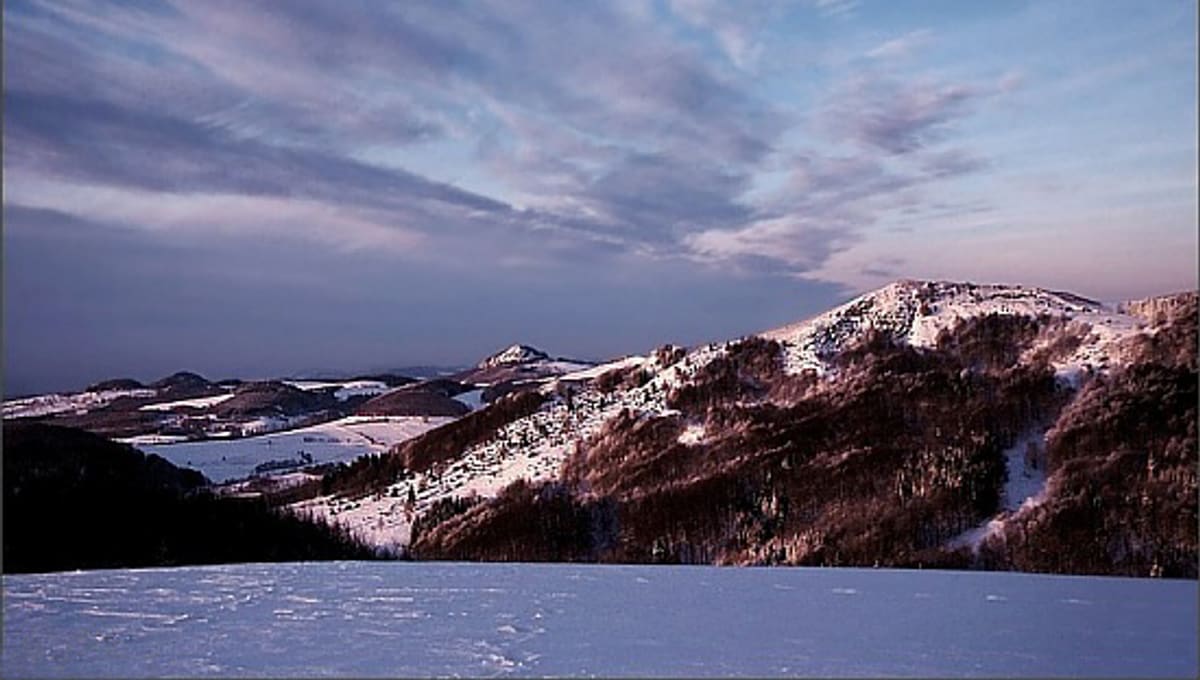
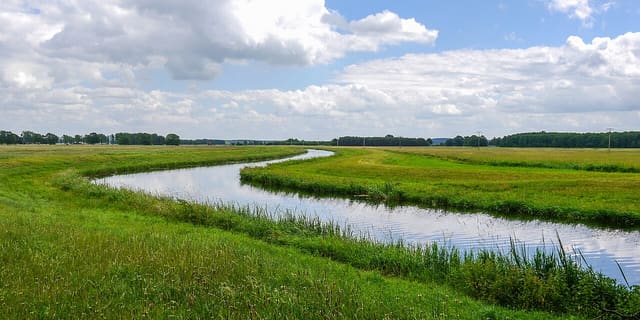
Image: CC BY-SA 3.0 · Wikimedia Commons
The Rhön Biosphere Reserve spans the low mountain range where Hesse, Bavaria and Thuringia meet in central Germany, protected as an International Dark Sky Reserve since August 7, 2014, the ninth such reserve designated anywhere in the world.
Why Rhön Biosphere Reserve is a top stargazing spot
Established as a UNESCO Biosphere Reserve in 1991, the Rhön covers roughly 1,720 square kilometres, with its dark sky protection concentrated in three core zones: Hohe Geba, Lange Rhön and Schwarze Berge. The push for recognition began in 2009 with a student group at the University of Applied Sciences Fulda, and it grew into one of Germany's most rigorous dark sky protection efforts. Sky quality readings on the Hochrhön plateau reach up to 21.78 magnitudes per square arcsecond, and the best spots measure Bortle Class 2, genuinely excellent darkness rarely found this close to Germany's cities.
What you can see
On a clear, moonless night, up to 3,000 individual stars can be picked out with the naked eye from the reserve's darkest corners, with the Milky Way arcing overhead in unusually sharp detail. As with any protected dark sky site, the view sharpens the farther you get from the reserve's edges, and meteor showers and planets need no equipment to enjoy.
Visiting Rhön Biosphere Reserve at night
Every summer the reserve runs its Star Park Weeks, more than 90 events including guided night walks, astrophotography courses and sunset balloon rides, scheduled for August 1 to 23 in 2026. During the festival, the "Lights Out, Stars On" campaign switches off local streetlights for a weekend to let residents and visitors experience the sky at its darkest. Certified stargazing guides are also available for public and private tours throughout the year. Check the official Biosphere Reserve website before travelling for current dates and access details to Hohe Geba, Lange Rhön and Schwarze Berge.
Best time to go
The Rhön sits at roughly 50 degrees north, so the Milky Way's bright core is best seen from March through September, arcing low across the southern sky in the warmer months, while winter brings Orion and the brighter stars of the northern sky. The Perseids peak in August, right in the middle of Star Park Weeks, and the Geminids in December and Quadrantids in January are also worth a clear, cold night. Whenever you go, plan around the new Moon, allow twenty to thirty minutes for your eyes to adapt to the dark, and use a red light to protect that adaptation.
Getting there
The reserve is most easily reached from Fulda in Hesse, home to the university whose students helped launch the dark sky campaign, with the three core zones spread across the surrounding mountains in Hesse, Bavaria and Thuringia. Check the official website for directions to each core area before you travel.
See your named star from here
A sky this dark reveals stars invisible from any town, which makes the Rhön Biosphere Reserve an excellent place to track down a star you have had named for someone. Bring its coordinates and a stargazing app, browse the star catalogue to find or gift a name, and check our list of observatories if you would like a guided view through a telescope.
Conditions and access vary by season. Check the official website and Google Maps before you travel, and aim for a clear night near the new Moon for the darkest sky.
Satellite imagery: Esri, Maxar, Earthstar Geographics

 35 kmCommunity
 225 kmPreserve
 258 kmDark Sky Park
 317 kmReserve