
Eifel National Park

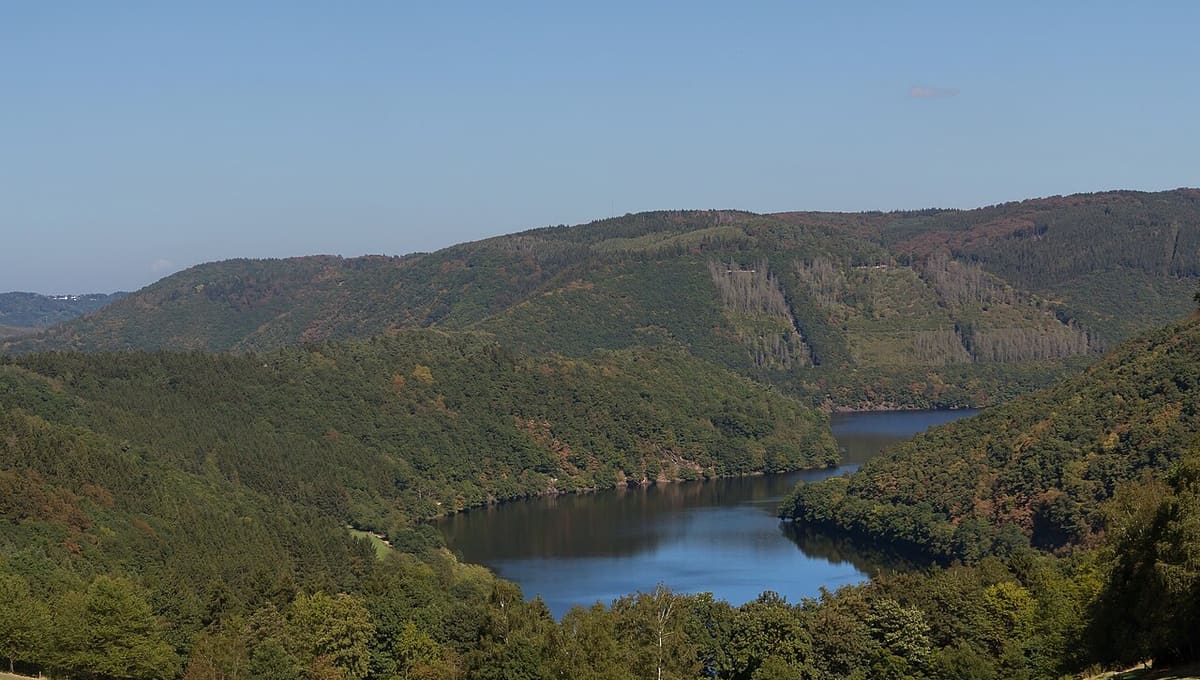
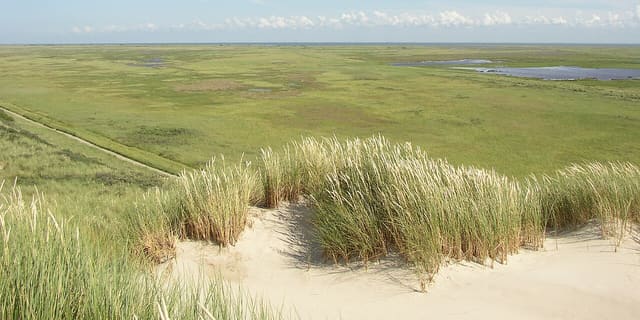
Image: Michielverbeek · CC BY-SA 4.0 · Wikimedia Commons
Eifel National Park lies in North Rhine-Westphalia, Germany, covering around 110 square kilometres as the country's 14th national park, founded in 2004. It holds the distinction of being Germany's first International Dark Sky Park.
Why Eifel National Park is a top stargazing spot
Eifel National Park was designated Germany's first International Dark Sky Park in 2014, a notable achievement given its location in one of Europe's most densely populated regions, with around 20 million people living within two hours by car or train. Sky quality meter readings here reach 21.5 to 21.8 magnitudes per square arcsecond on the best nights, placing the park at Bortle Class 2 to 3, a rating most of Western Europe cannot match. There are plans to expand the designation into a Dark Sky Reserve with a 15-kilometre buffer zone beyond the park's current boundary.
What you can see
Despite its position amid Western Europe's light pollution, the park's protected skies allow the Milky Way to be seen with the naked eye, a sight unavailable to most of the millions of people living within easy reach of the park. Its Bortle 2 to 3 readings also mean a genuinely dark backdrop for meteor showers and fainter deep-sky objects that would simply vanish under typical Central European skies.
Visiting Eifel National Park at night
The park runs regular "stars without boundaries" astronomy workshops in both German and English, and trained volunteers in its Dark Sky Ranger programme lead public stargazing events and teach visitors about responsible outdoor lighting. The Vogelsang site within the park hosts its own night sky events at an on-site observatory, and the nearby Hoher List Observatory offers public tours on Saturdays, at 15:00 from April to October and 20:00 from November to March, plus public talks every third Wednesday from February to November at 19:00 followed by telescope observation; admission is 10 euros for adults and free for children, students and trainees. Check the official park site for current workshop and event dates, and as with any dark-sky outing, choose a night near the new Moon, allow your eyes to dark-adapt, and use red light to preserve your night vision.
Best time to go
The best stargazing window runs from late spring to early autumn, roughly May through October, with September and October generally offering the crispest, clearest skies and the longest fully dark nights of that stretch. Beyond that seasonal sweet spot, the Perseids in mid-August and the Geminids in mid-December are the two meteor showers most worth planning a visit around, with the Quadrantids in early January a colder alternative. Whenever you go, aim for a night close to the new Moon, give your eyes twenty to thirty minutes to adapt fully to the dark, and rely on red light only once you are outside.
Getting there
Eifel National Park sits in North Rhine-Westphalia, within about two hours' travel by car or train of roughly 20 million people, making it one of the more reachable dark-sky destinations in Western Europe. The Hoher List Observatory near Schalkenmehren and the Vogelsang site both make good bases for a night visit; check the park's official site for directions and current access details before you travel.
See your named star from here
For visitors from anywhere in Eifel National Park's densely populated catchment, this is a rare nearby chance to actually see the star you have named rather than just its coordinates on paper. Bring them along with a stargazing app, browse the star catalogue or nearby observatories, and see the star-naming packages if you would like to name one.
Conditions and access vary by season. Check the official website and Google Maps before you travel, and aim for a clear night near the new Moon for the darkest sky.
Satellite imagery: Esri, Maxar, Earthstar Geographics

 229 kmCommunity
 258 kmReserve
 306 kmDark Sky Park
 320 kmDark Sky Park