
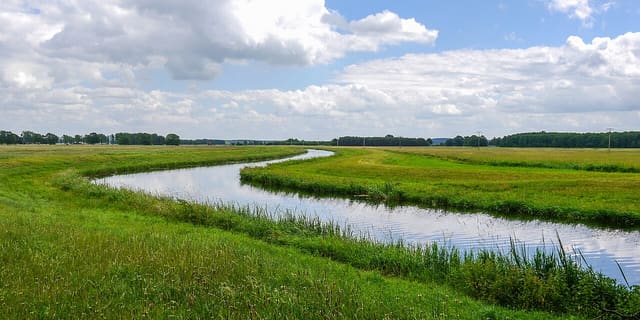
Lauwersmeer National Park

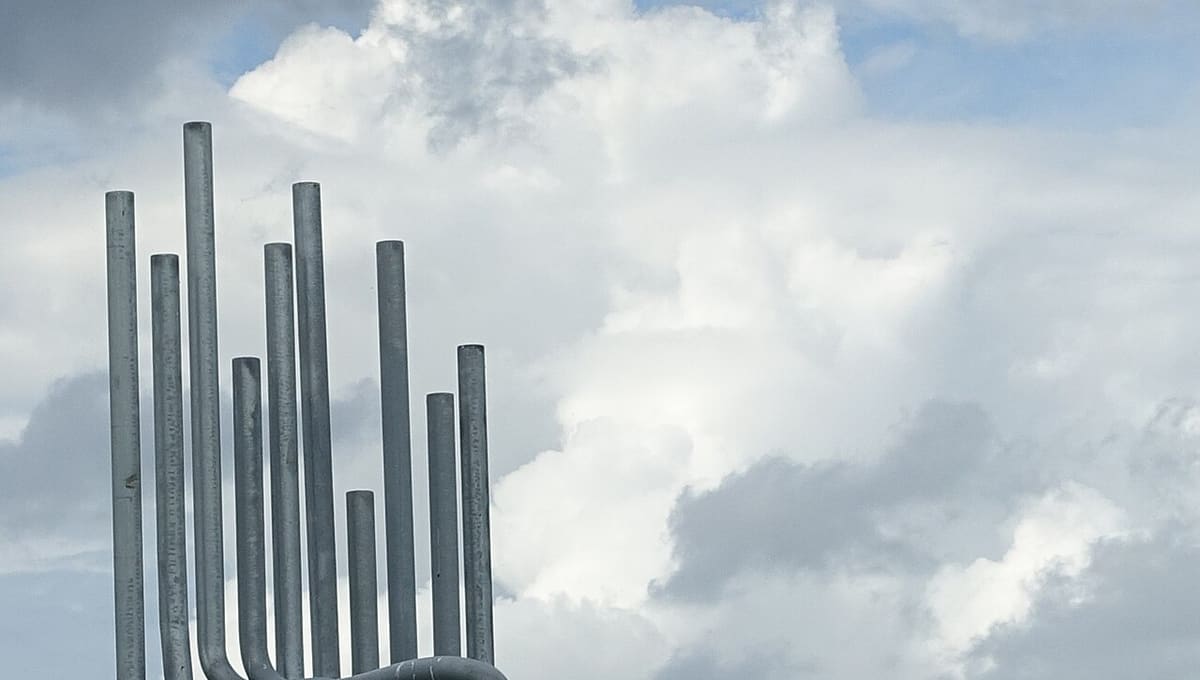
Image: Ellywa · CC BY-SA 4.0 · Wikimedia Commons
Lauwersmeer National Park spans the provinces of Friesland and Groningen in the Netherlands and was designated a Silver-tier International Dark Sky Park in October 2016, becoming the second such park in the country.
Why Lauwersmeer is a top stargazing spot
Covering around 60 square kilometres, Lauwersmeer is notable because the Netherlands is one of the most light-polluted countries in the world, making genuinely dark places like this exceptionally rare. The park itself is a relatively young landscape, only reclaimed from the sea in 1969, and forms part of the Dutch Wadden Sea Conservation Area, a UNESCO World Heritage Site prized for its outstanding, pristine intertidal ecosystem. Sky darkness here is not just claimed, it is measured: a permanent brightness meter at the park headquarters, part of a monitoring station that also includes a sky camera, has recorded readings up to 21.3 magnitudes per square arcsecond, among the darkest confirmed anywhere in the Netherlands. Current readings are published on the Dutch light-pollution monitoring network, nachtmeetnet.nl.
What you can see
On clear nights the Milky Way is clearly visible, a rare treat in a country with so much artificial light, and the Northern Lights are occasionally visible from the park as well when geomagnetic activity is strong. Lauwersmeer is also an important stopover for hundreds of thousands of migratory birds each year, drawn in part by the same dark, undisturbed conditions that make it good for stargazing.
Visiting Lauwersmeer at night
Given its status as one of the darkest accessible spots in the Netherlands, Lauwersmeer draws stargazers from across the region. The park runs an annual guided evening walk, Nacht van de Nacht (Night of the Night), each autumn, and a Dark Sky Trail running and walking event, with a roughly 10 km route for walkers, in spring. 2026 marks the tenth anniversary of the park's Dark Sky Park status, with extra activities planned through the year, including a photo competition and a public viewing event for the solar eclipse on 12 August 2026. Check the official park site for exact dates before travelling.
Best time to go
From the Netherlands' northern latitude, the Milky Way's bright core is best seen from around March to September, low in the south during the short summer nights and higher overhead as autumn approaches. Winter brings its own rewards, with Orion and the brighter winter stars dominating a clear sky, plus the Geminids in mid-December and Quadrantids in early January. Aim for a clear night within a few days of the new Moon, when the sky is at its darkest, and give your eyes 20 to 30 minutes to adapt, using only red light if you need a torch.
Getting there
Lauwersmeer sits on the coast where Friesland meets Groningen, close to the villages of Lauwersoog and Zoutkamp and within an easy drive of both Groningen and Leeuwarden. The park is reachable by car, with parking near the visitor areas; check the official site for the best access points for night visits.
See your named star from here
In a country where dark skies are hard to come by, Lauwersmeer is one of the best places to bring the coordinates of a named star and a stargazing app to try to find it. Browse the star catalogue or discover more dark-sky parks across Europe.
Conditions and access vary by season. Check the official website and Google Maps before you travel, and aim for a clear night near the new Moon for the darkest sky.
Satellite imagery: Esri, Maxar, Earthstar Geographics

 49 kmDark Sky Park
 306 kmDark Sky Park
 393 kmCommunity
 424 kmReserve