
Westhavelland Nature Park

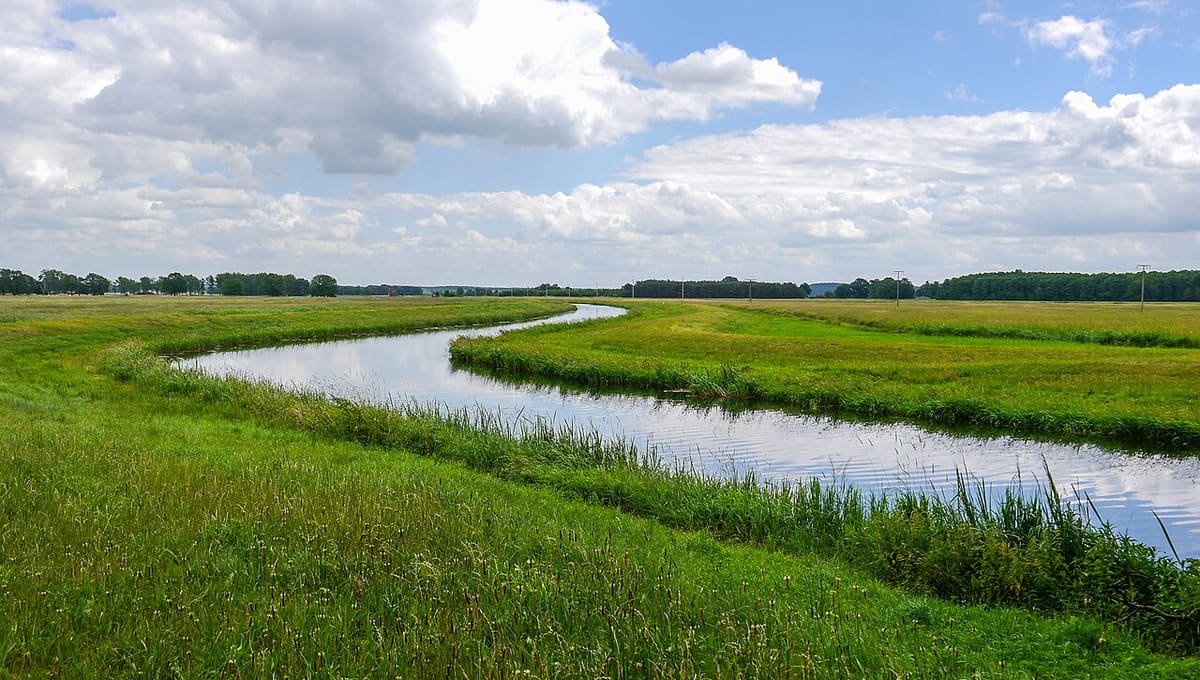
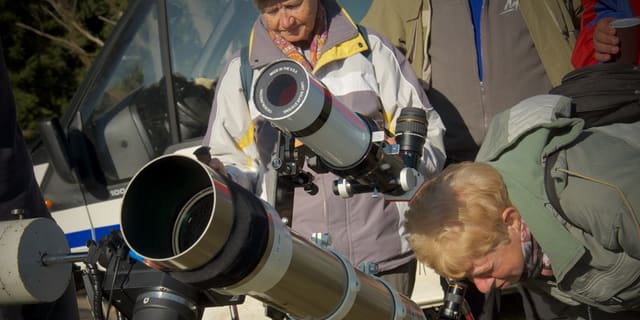
Image: Andreas Lippold · CC BY-SA 4.0 · Wikimedia Commons
Westhavelland Nature Park spreads across 1,315 square kilometres of the Brandenburg countryside in Germany, and in February 2014 it became the country's first International Dark Sky Reserve. Despite sitting only around 70 km west of Berlin, its sparsely populated core zone, known locally as Sternenpark Westhavelland, keeps the night sky remarkably free of city glow.
Why Westhavelland Nature Park is a top stargazing spot
The reserve was established as a protected nature park back in 1998, long before its dark-sky credentials were formalised. Sky darkness in the core zone, especially the stretch between the villages of Gülpe and Nennhausen, has been compared to that of the Namibian desert, a striking benchmark for a site so close to a major European capital, and sky quality meter readings there regularly measure above 20.0 magnitudes per square arcsecond, a figure astronomers treat as excellent dark-sky territory. With roughly six million people living in the wider Berlin-Brandenburg region, Westhavelland gives an unusually large population easy access to a genuinely dark sky.
What you can see
On a clear, moonless night in the darkest zones, the Milky Way stretches visibly overhead, something few people within reach of Berlin ever get to witness. The reserve's flat, open farmland and wetlands mean wide, unobstructed horizons, which helps for tracking constellations as they rise and set through the seasons. Nine marked observation points are set up around the reserve specifically for visitors who want a reliable, dark spot to look up from.
Visiting Westhavelland Nature Park at night
The darkest observing conditions are found around Gülpe and Nennhausen, away from the park's edges, and the annual WestHavelländer AstroTreff brings amateur astronomers together for a dedicated star party. The reserve also runs outreach events such as the European Day of Parks and its Kunst und Kultur (Art and Culture) programme, and works with local astrotourism partners on stargazing experiences. Visitors who need step-free access can book barrier-free holiday homes in the area, built with ramps and no interior steps.
Best time to go
Northern-hemisphere skywatchers get the best view of the Milky Way's bright core from around March through September, when it climbs higher into the evening sky; the rest of the year still delivers crisp, wide-open views of winter constellations like Orion. The Perseid meteor shower in August and the Geminids in December are the two showers worth building a trip around, with the Quadrantids in early January a good option for cold, clear nights. Whatever the season, plan your visit for a night near the new Moon, let your eyes adjust for twenty to thirty minutes before you start looking for faint detail, and use a red light rather than a white torch or phone screen.
Getting there
Westhavelland sits around 70 km west of Berlin in the state of Brandenburg, with the darkest core zone centred on the villages of Gülpe and Nennhausen. It is an easy day trip or overnight stay for anyone based in the German capital, though as with any rural reserve it is worth checking transport and accommodation options, including the reserve's barrier-free holiday homes, before you travel.
See your named star from here
A reserve this dark reveals stars that stay hidden from almost anywhere else in Germany, which makes it a genuinely good place to track down a star you've had named after someone. Bring the coordinates from your certificate and a stargazing app, and Westhavelland's open, low-light skies give you a real shot at finding it. Browse the full star catalogue or see other certified dark-sky sites on the observatories page before you go.
Conditions and access vary by season. Check Google Maps before you travel, and aim for a clear night near the new Moon for the darkest sky.
Satellite imagery: Esri, Maxar, Earthstar Geographics

 248 kmDark Sky Park
 254 kmDark Sky Park
 293 kmPreserve
 313 kmPreserve