
Nyord

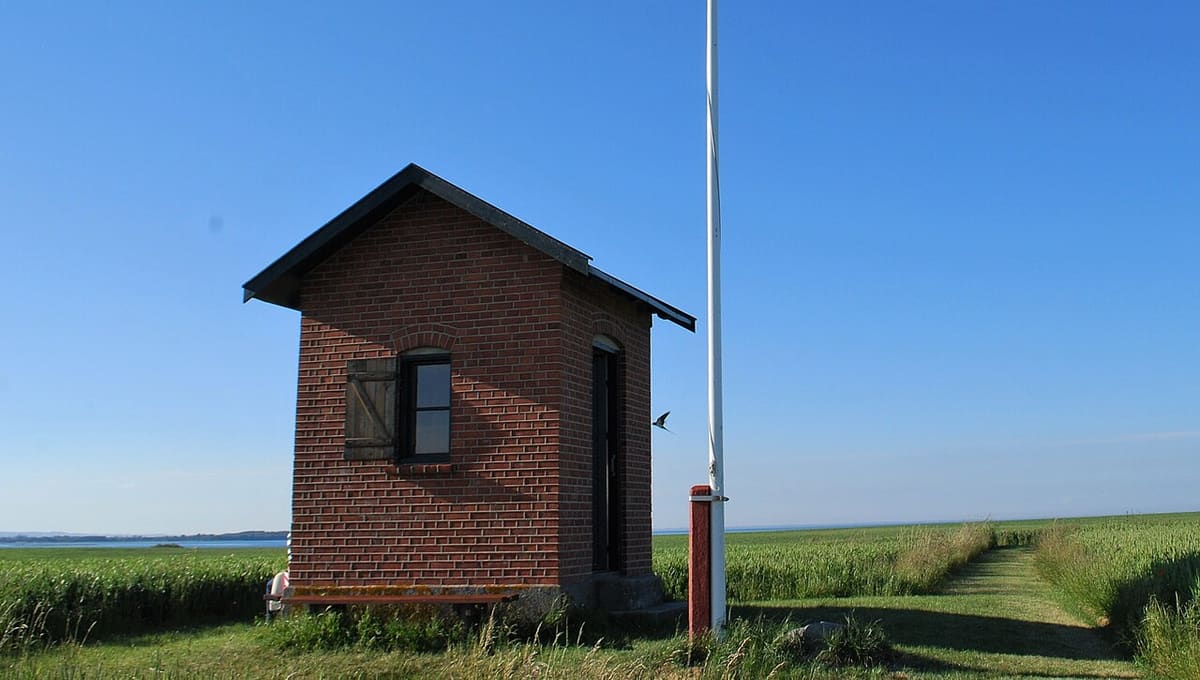
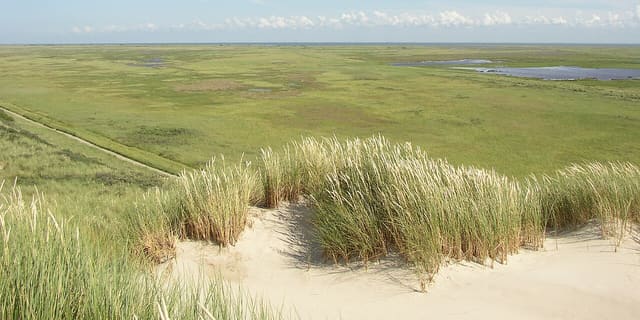
Image: Erik Christensen · CC BY 3.0 · Wikimedia Commons
Nyord is a small Danish island in the Baltic Sea, just north of Møn and southeast of Zealand. Alongside Møn, it holds the distinction of being the Nordic region's first International Dark Sky Park and Dark Sky Community, the first place in the world to receive both designations at once, part of a shared Gold Tier award.
Why Nyord is a top stargazing spot
Nyord's flat, low-lying landscape and small population mean very little artificial light reaches the sky, and that darkness is actively protected under the joint Dark Sky designation shared with Møn. Sky quality across the islands is rated Class 1 to 2, among the darkest conditions found anywhere in Europe, a striking result for a spot within easy reach of Copenhagen and mainland Zealand.
What you can see
On a clear night more than 5,000 stars are visible with the naked eye, the Milky Way stretches across the sky as a bright band, and shooting stars and distant galaxies appear as faint, misty points of light. Guided nighttime tours on Møn and Nyord go further, pointing out the Moon, planets, nebulae, star clusters and constellations, and, when conditions allow, the aurora borealis and meteor showers too. The guides leading these tours are as much storytellers as astronomers, weaving in the islands' nocturnal wildlife alongside the sky, which makes them a good choice for visitors who want context along with the view.
Visiting Nyord at night
Stargazing here is possible year-round, though the longest, clearest nights fall between September and March. Guided tours run in the area and cover both the night sky and the island's nocturnal wildlife, making a good option for visitors unfamiliar with what they're looking at. Nyord is regarded as one of Denmark's most peaceful spots, with light pollution kept about as low as it gets, which makes even an unguided evening walk worthwhile on a clear night.
Best time to go
September to March delivers the longest and darkest nights, though the sky here is worth a look at any time of year. The Perseid meteor shower peaks in mid-August, right before the dark season begins, while December's Geminids and January's Quadrantids fall within it and suit the island's already long winter nights well. Given the latitude, strong geomagnetic storms can occasionally bring a faint aurora borealis into view, something the guided tours sometimes point out when conditions allow. Whatever the season, aim for a new Moon, give your eyes 20 to 30 minutes to adjust, and use a red light rather than a white torch.
Getting there
Nyord sits just north of Møn in the Baltic Sea, southeast of Zealand. There's no dedicated dark-sky transport link to the island, so check current routes and any seasonal access notes from wherever you're travelling before setting out, particularly if arriving after dark.
See your named star from here
Nyord's protected darkness makes it an excellent place to track down a star you've named. Pair your star's coordinates from Star Register with a stargazing app to locate it in the open sky above the island, and explore the star catalogue or the naming packages before you go. Nearby observatories may also be worth a visit.
Conditions and access vary by season. Check Google Maps before you travel, and aim for a clear night near the new Moon for the darkest sky.
Satellite imagery: Esri, Maxar, Earthstar Geographics

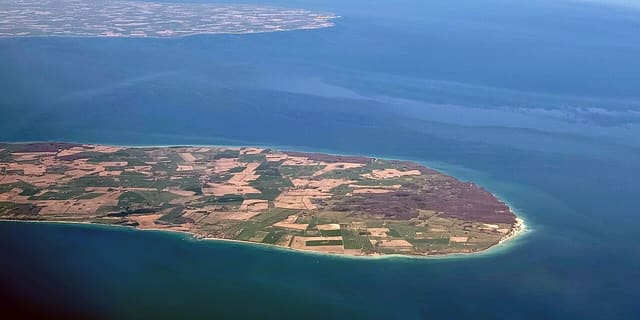 9 kmDark Sky Park
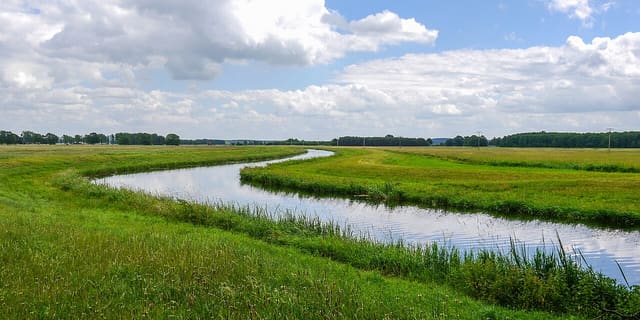 254 kmReserve
 434 kmDark Sky Park
 474 kmDark Sky Park