
Izera Dark Sky Park

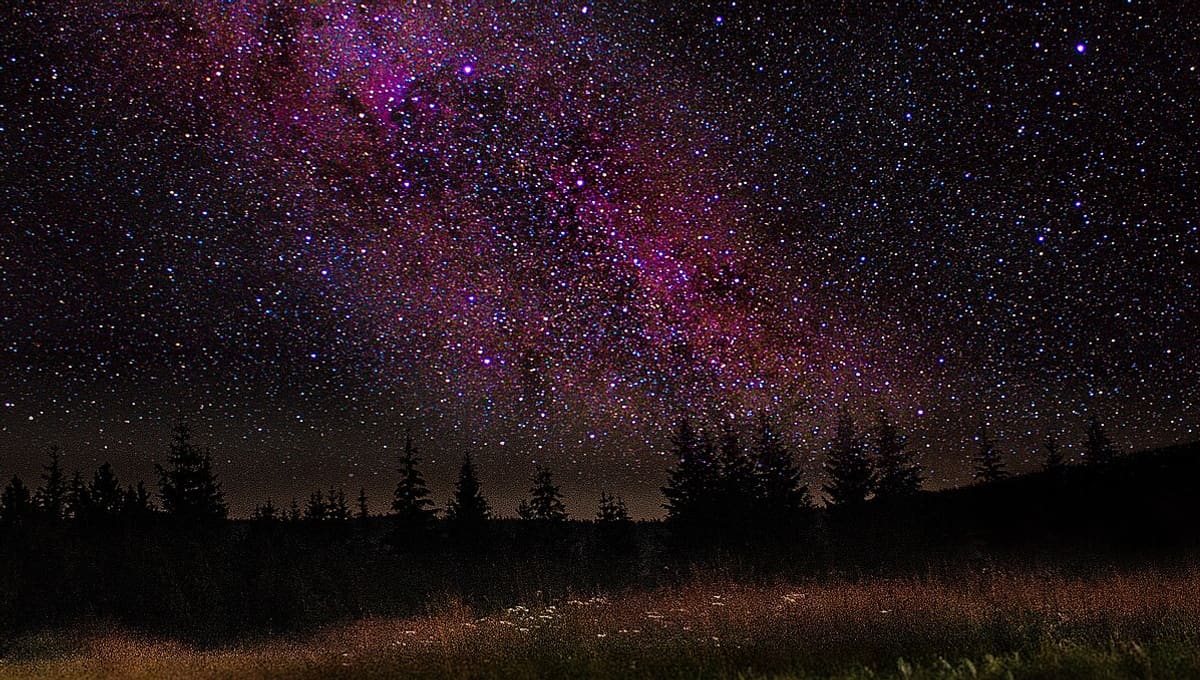
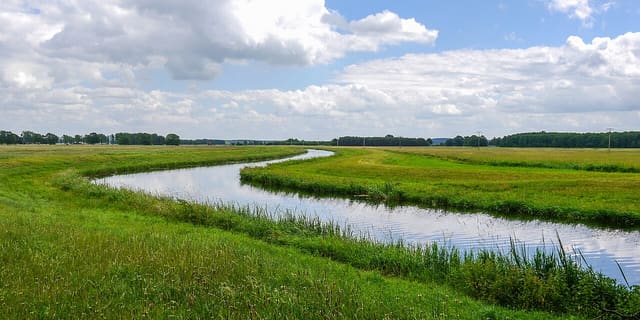
Image: Tomasz Tomsonowskyy · CC BY-SA 4.0 · Wikimedia Commons
Izera Dark Sky Park, also known as the Jizera Dark-Sky Park, straddles the border between Poland and the Czech Republic in the Jizera Mountains. Designated in 2009, it was the world's first transnational dark-sky preserve, protecting roughly 75 square kilometres of the Jizera and Jizerka valleys and Hala Izerska.
Why Izera Dark Sky Park is a top stargazing spot
The park's remoteness and the cross-border cooperation behind its protection make it stand out among European dark-sky sites. Sky quality here averages around Bortle 4, and on exceptionally clear, dry nights it can reach Bortle 3, dark enough that stars are said to be roughly 40 times more visible than in major cities. Access is restricted to pedestrians and cyclists, which keeps car headlights and light pollution out of the core protected area.
What you can see
On a cloudless night, more than 2,000 stars are visible to the naked eye, and the Milky Way stretches clearly overhead. Two historic mountain huts, Chatka Górzystów and Stacja Turystyczna Orle, sit within the park and make useful landmarks or overnight bases for stargazers exploring the plateau.
Visiting Izera Dark Sky Park at night
The best observation spots are Hala Izerska on the Polish side, Jizerka on the Czech side, and Rozdroże Izerskie, all reachable on foot or by bike. Admission is free. The Czech Astronomical Society organises biannual "Astronomical Day" events, held in spring on the Czech side and in autumn on the Polish side, with lectures, guided sky-viewing sessions and planetarium shows; check their schedule before visiting.
Best time to go
Izera lies at a mid-northern latitude, so the Milky Way's bright core is best seen from around March to September, low in the south during the warmer months. Winter brings long, dark nights and clear views of Orion and the other bright winter constellations. Meteor watchers should look out for the Perseids in August and the Geminids in December, both well placed from this part of Europe, while the Quadrantids in early January reward a cold-weather visit. Whatever the season, plan around the new Moon, give your eyes 20 to 30 minutes to adapt to the dark, and use a red light rather than white light to protect your night vision.
Getting there
The park sits in the Jizera Mountains along the Polish-Czech border and has no resident town of its own inside its boundaries. Trailheads at Świeradów-Zdrój, Szklarska Poręba and Jakuszyce on the Polish side, and Jizerka on the Czech side, all provide walking or cycling access into the protected area; Rozdroże Izerskie is a useful central meeting point once inside.
See your named star from here
With over 2,000 stars visible and skies up to 40 times darker than city conditions, Izera Dark Sky Park is a strong place to search for a star you have named. Bring your certificate's coordinates and a stargazing app, and explore star-naming packages or the star catalogue ahead of your trip. Browse our observatories directory for more dark-sky destinations, and see our guide on how to find a star in the night sky for tips once you're there.
Conditions and access vary by season. Check the official website and Google Maps before you travel, and aim for a clear night near the new Moon for the darkest sky.
Satellite imagery: Esri, Maxar, Earthstar Geographics

 184 kmPreserve
 251 kmPreserve
 268 kmPreserve
 293 kmReserve