
Palowice Dark Sky Area

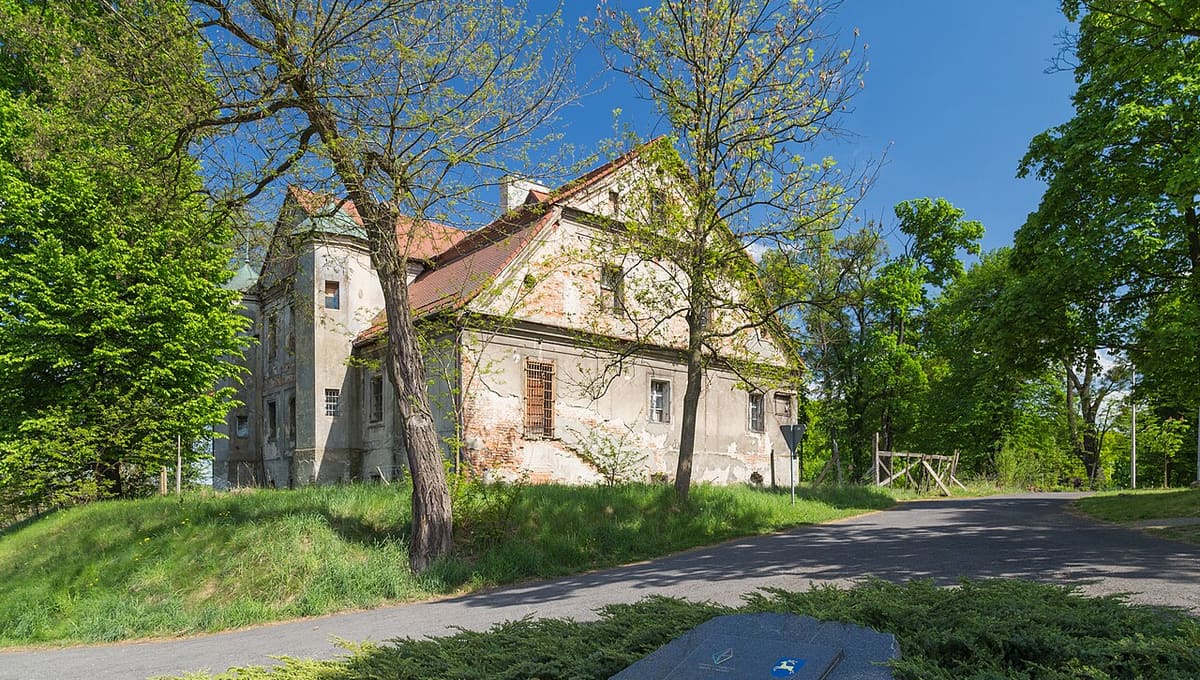
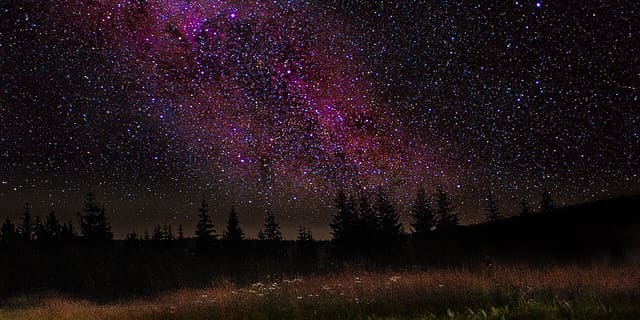
Image: Marcin Konsek · CC BY-SA 4.0 · Wikimedia Commons
Palowice Dark Sky Area protects a stretch of rural night sky within the Cistercian Landscape Park of the Great Rudawy in Poland's Silesian Voivodeship, one of the first places in the country set aside specifically to keep its skies dark.
Why Palowice is a top stargazing spot
Palowice was designated in 2008 under Poland's Ciemne Niebo (Dark Sky) Program and carries the code CN-002, formally recognised in 2009, the International Year of Astronomy, as the country's first dark-sky proving ground for testing protective lighting measures. Eleven fixtures across the site were modernised with flat glass panes and carefully chosen mounting heights and angles as part of the programme's testing protocol, using equipment from manufacturers including Thorn, Philips and ES-System. The wider Ciemne Niebo network is coordinated by the Polaris-OPP Association, founded in 2004 and based in nearby Sopotnia Wielka, while the local astronomical group Venatorae Astrum supports activity at the site itself.
What you can see
Surrounded by extensive forest and open fields that limit how far artificial light can travel, Palowice offers considerably more stars and a clearer view of the Milky Way than are visible from nearby towns and cities. Observation spot number 26 within the area is used for regular sky demonstrations, a practical starting point if you want company or guidance on a first visit.
Visiting Palowice at night
As a proving ground for lighting practice rather than a formal visitor attraction, Palowice has no dedicated visitor centre or facilities, so it is worth checking locally, through the Ciemne Niebo programme or Venatorae Astrum, for current access details and any scheduled observing sessions before planning a trip.
Best time to go
From this latitude in southern Poland, the Milky Way's bright core sits low in the south on clear nights from roughly March to September, while the winter months bring the brilliant stars of Orion and its neighbours overhead instead. The Perseid meteor shower peaks in mid-August and the Geminids in mid-December, both good reasons to plan an evening around Palowice's dark skies, alongside January's Quadrantids. Whenever you go, aim for a night close to the new Moon, allow twenty to thirty minutes for your eyes to adapt to the darkness, and use a red light rather than a white torch to preserve your night vision.
Getting there
Palowice lies within the Cistercian Landscape Park of the Great Rudawy in the Silesian Voivodeship of southern Poland. As no official visitor site publishes detailed directions or opening arrangements, it is worth checking with the Ciemne Niebo programme or local astronomy groups before you travel.
See your named star from here
Palowice's carefully managed skies make it a worthwhile stop for tracking down a named star with its coordinates and a stargazing app. Browse the star catalogue to find your star, and check out nearby observatories in the region for more stargazing options.
Conditions and access vary by season. Check Google Maps before you travel, and aim for a clear night near the new Moon for the darkest sky.
Satellite imagery: Esri, Maxar, Earthstar Geographics

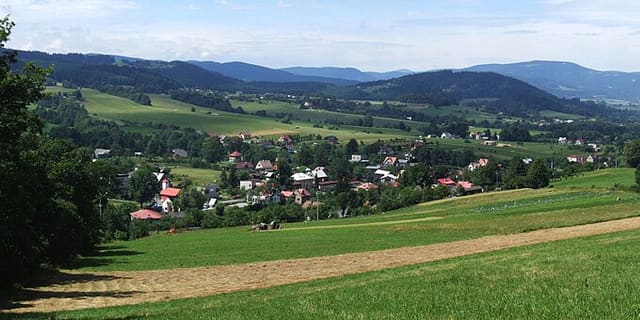 68 kmPreserve
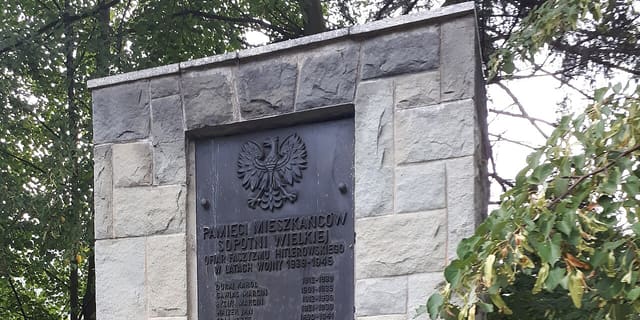 70 kmPreserve
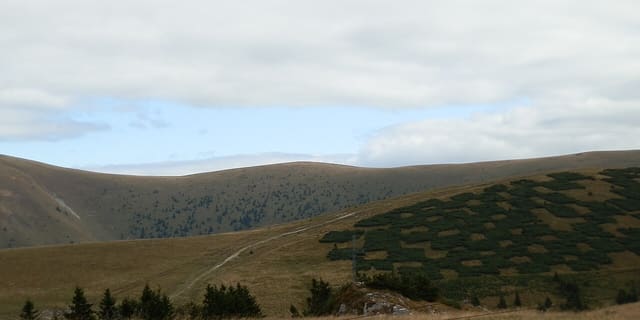 137 kmPreserve
 251 kmPreserve