
Sopotnia Dark Sky Community

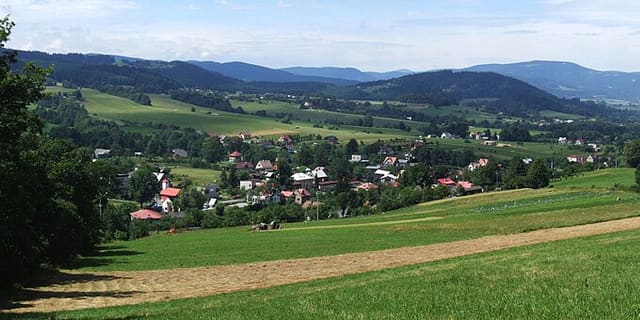
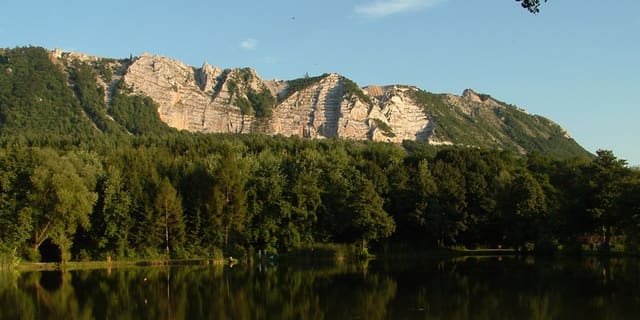
Image: Patryk Morawiec · CC BY 3.0 · Wikimedia Commons
Sopotnia Wielka is a village in the Jelesnia commune of southern Poland, tucked in the valley of the Zywiec Beskids beneath the Pilsko massif. It holds the distinction of being Poland's first International Dark Sky Community, a status earned through years of local effort rather than remote wilderness alone.
Why Sopotnia Wielka is a top stargazing spot
The village lies around 35 kilometres from the nearest city and roughly 100 kilometres from the Katowice metropolitan area, giving it real distance from major sources of light pollution. Its dark sky status traces back to a grassroots initiative begun in the late 1990s, when local activists negotiated a partial switch-off of street lighting at night. That effort grew into a formal Rational Lighting Policy, developed in consultation with DarkSky International and the local government, and it's now written into the Jelesnia Commune Development Strategy for 2023 to 2030. In 2011, the commitment became concrete when all 150 of the village's sodium street lamps were replaced with fully shielded fixtures that send no light upward and use a warm colour temperature of 3000 Kelvin or below. The POLARIS-OPP Association coordinates the community's ongoing dark-sky conservation work.
What you can see
With streetlights shielded and pointed only downward, the valley beneath the Pilsko massif keeps a genuinely dark, rural sky, well suited to Milky Way viewing on clear nights away from the Moon. The village's own Astronomical Observatory adds sky shows and guided observation sessions for visitors who want more than a naked-eye view.
Visiting Sopotnia Wielka at night
The community runs a busy calendar of public astronomy events. Recent seasons have included "Majowka z Astronomia" tours in early May, departing every 60 minutes across an afternoon and evening programme, and a Dark Sky Festival held in July and August with observing sessions, talks from scientists, discussions on protecting the night landscape, music under the stars, and even a transmitted view of a solar eclipse from Spain. The Polish Dark-Sky Festival, along with regular workshops and lectures organised by POLARIS-OPP, also runs through the year. Check locally or with the commune for the current schedule before travelling.
Best time to go
At this latitude in southern Poland, the Milky Way's core is best placed from around March to September, arcing over the valley on summer nights, while winter brings the bright stars of Orion and Taurus to a sky already free of streetlight glow. The Perseid meteor shower peaks in mid-August, and the Geminids in mid-December are worth a cold visit if the sky stays clear. As anywhere, time your trip for a night near the new Moon and allow 20 to 30 minutes of dark adaptation before your eyes are working at their best; a red light will protect that adaptation if you need to check a map or a star chart.
Getting there
Sopotnia Wielka sits in the Jelesnia commune of the Zywiec Beskids, about 35 kilometres from the nearest city and roughly 100 kilometres from Katowice. The village's mountain setting means winding local roads rather than a direct route, so allow extra time if you're travelling from further afield.
See your named star from here
A community that fought to turn its streetlights down is a fitting place to look for a star you've named as a gift or personal keepsake. Bring its coordinates and a stargazing app on a clear night, browse the star catalogue to name one of your own, and see our observatories listing for other places to view the night sky.
Conditions and access vary by season. Check Google Maps before you travel, and aim for a clear night near the new Moon for the darkest sky.
Satellite imagery: Esri, Maxar, Earthstar Geographics

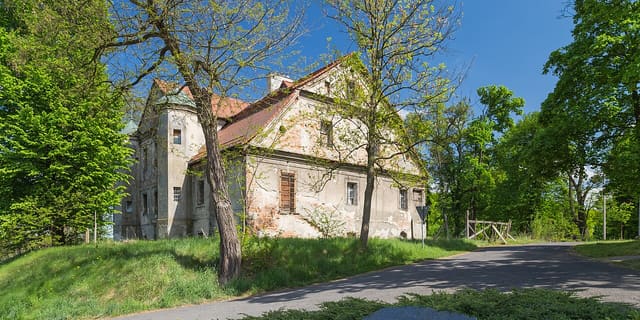
 59 kmPreserve
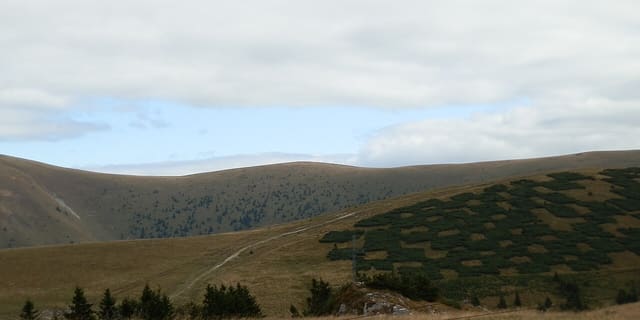
 70 kmPreserve
 82 kmPreserve
 194 kmDark Sky Park