
Bükk National Park

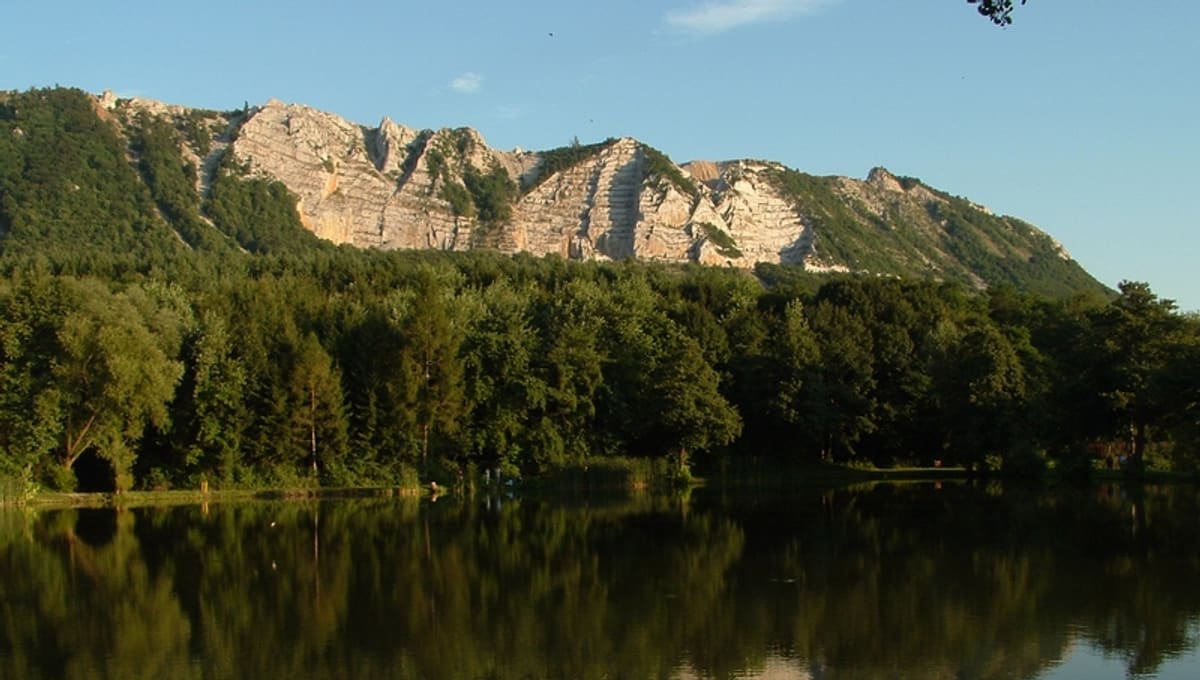
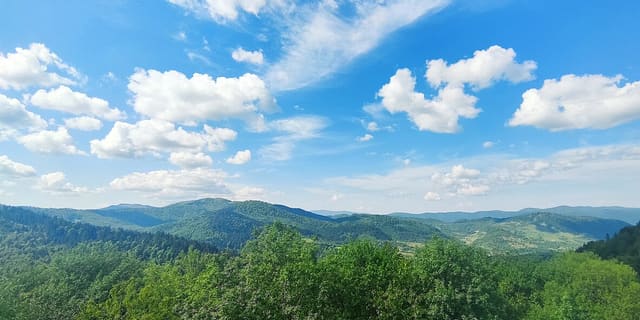
Image: Horvabe · CC BY-SA 3.0 · Wikimedia Commons
Bükk National Park spans the Bükk Mountains of northern Hungary, near Miskolc. Established in 1976 as the country's third national park, it covers 431.3 square kilometres, making it Hungary's largest national park, and it was certified an International Dark Sky Park in 2017.
Why Bükk National Park is a top stargazing spot
Bükk was the third International Dark Sky Park named in Europe, a recognition of how little the park's forested, mountainous terrain is affected by light pollution. The same karst landscape that shelters Istvánlápa, Hungary's longest and deepest cave, also helps keep the surrounding skies dark for stargazing.
What you can see
The park's remote, mountainous setting supports clear views of the night sky away from the light glow of Miskolc and other nearby towns. Bükk is also known for its rich birdlife, with 90 species of nesting birds recorded, some of them endangered, alongside its dramatic caves, swallow-holes, and ravines.
Visiting Bükk National Park at night
The Bükk Astronomical Observatory at Répáshuta, 635 metres up within the park, opens on Saturdays for night-time activities and is built around a 61cm astrograph, the largest telescope in Hungary; designed for astrophotography, it also hosts public viewing sessions. By day the observatory runs Sun observation with binoculars, virtual space trips and a meteorite exhibition unrivalled in Hungary, including specimens from the Moon and Mars. A separate stargazing centre at the Fecskeház Forest School in Máta organises camps, night-time tours, astro-gastro evenings and combined birdwatching-and-stargazing outings. Away from the observatory, popular unaided-eye viewing spots include Három-kő, by the Cistercian Abbey in Bélapátfalva, and the Kalapáti Lookout Tower near Szalajka Valley; nocturnal programming across the park has grown substantially since 2012. The park's Western Gate Visitor Centre, about 30 minutes from the observatory towards Eger, is a good first stop for current listings.
Best time to go
From this northern-hemisphere latitude, the Milky Way's core sits low in the south from roughly March to September, while winter brings Orion and the bright stars of the cold-season sky overhead instead. The Perseids peak in mid-August and the Geminids in mid-December, both worth building an observatory visit or a night hike to Három-kő around, alongside the Quadrantids in early January. Whichever night you choose, aim for a date near the new Moon, give your eyes twenty to thirty minutes to adapt to the dark, and use red light once you're out on the trail.
Getting there
Bükk National Park spreads across the Bükk Mountains near Miskolc in northern Hungary. Lillafüred, inside the park, has accommodation from hostels to guesthouses; Szilvásvárad offers laid-back guesthouses nearby, and the Kékes Tourist House sits directly on the park's trail network for a more rustic stay. The Western Gate Visitor Centre and the Répáshuta observatory are both roughly half an hour from Eger by road.
See your named star from here
Hungary's largest national park, protected from light pollution since 2017, is a fitting place to find a star named for someone special. Bring your certificate's coordinates and a stargazing app, look up your star in the catalogue, and see our observatories list for other dark-sky sites to explore.
Conditions and access vary by season. Check the official website and Google Maps before you travel, and aim for a clear night near the new Moon for the darkest sky.
Satellite imagery: Esri, Maxar, Earthstar Geographics

 68 kmDark Sky Park
 144 kmPreserve
 174 kmPreserve
 190 kmPreserve