
Hortobágy National Park

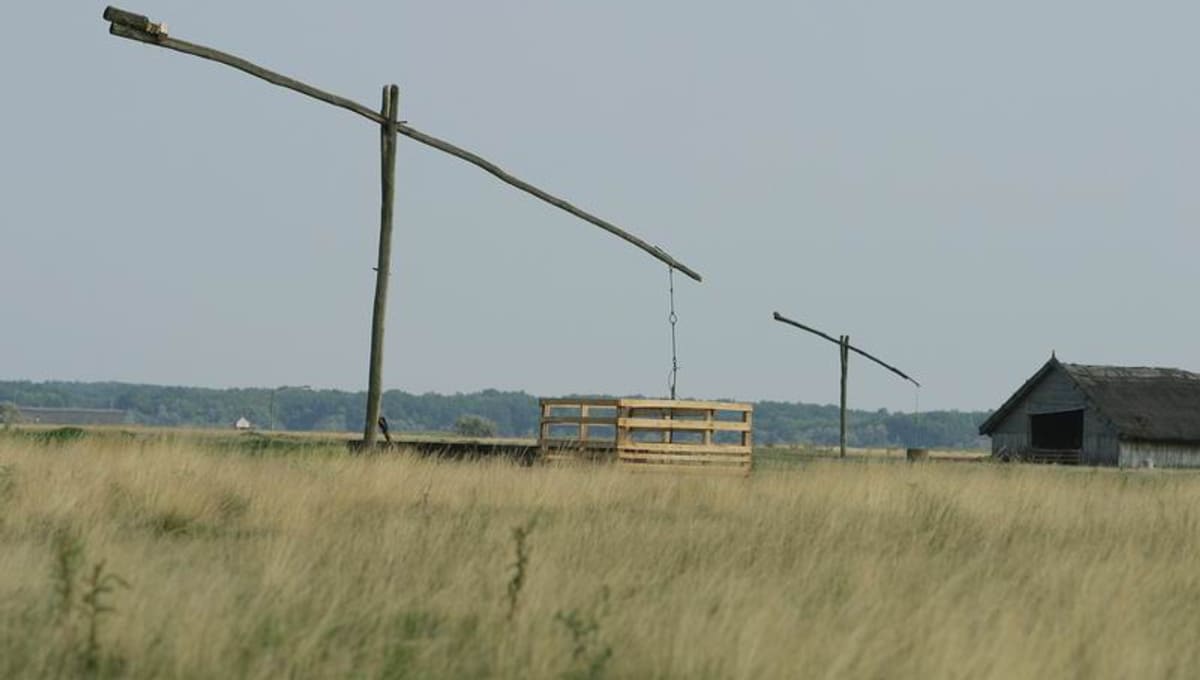
Image: Andreas Poeschek, fotografikus.hu · CC BY 2.0 at · Wikimedia Commons
Hortobágy National Park, an 82,000-hectare national park on Hungary's Great Hungarian Plain, is a UNESCO World Heritage Site and a certified Silver Tier International Dark Sky Park, recognised in 2011.
Why Hortobágy National Park is a top stargazing spot
As Hungary's largest protected area and the largest semi-natural grassland in Europe, Hortobágy's flat, open landscape and distance from major urban centres give it exceptionally dark, unobstructed skies, with confirmed Bortle Class 2 conditions dark from horizon to horizon. The park has set aside a dedicated 10,000-hectare Starry Sky Park area specifically to protect this darkness and support astronomy and stargazing, and it also holds the distinction of being the largest unpopulated area in Hungary.
What you can see
Visitors to the Starry Sky Park area can expect skies dark from horizon to horizon, with minimal artificial light pollution interrupting the view. The open steppe terrain, free of hills or forest canopy, means an unusually complete view of the sky overhead in every direction. The region's shepherd tradition on the puszta, Hungary's great grassland, has historically been linked to reading the night sky, a reminder that people have used these dark skies for practical navigation for centuries.
Visiting Hortobágy National Park at night
The park runs guided nighttime stargazing walks and interpretation programmes that also cover light pollution education, and there is an observatory at Máta within the park equipped with an all-sky camera, permanent Sky Quality Meter monitoring and a solar telescope available for visitor use; the Máta Forest School also offers group astronomy education programmes. Check the park's official website for current programme dates. Hortobágy is also a haven for migrating birds and light-sensitive insect species, another reason its dark-sky protections matter beyond stargazing alone.
Best time to go
Hortobágy sits well within the Northern Hemisphere's stargazing calendar, with the Milky Way core best placed from roughly March to September and winter evenings instead favouring bright constellations like Orion and Taurus. The Perseid meteor shower in August and the Geminids in December are both worth watching for on a clear night here, given the park's exceptionally open horizon. For the very best views, aim for a clear night around the new Moon and allow 20 to 30 minutes for your eyes to adapt to the dark before you start looking for fainter objects.
Getting there
Hortobágy National Park lies in eastern Hungary on the Great Hungarian Plain, part of the wider Alföld region, with the observatory and visitor facilities at Máta. Check the park's official website for directions and current access details before planning your visit.
See your named star from here
Under skies this dark, far more of the night sky becomes visible than in almost any city. If you have named a star, bring its coordinates and a stargazing app to Hortobágy's Starry Sky Park for a genuine chance of picking it out among thousands of others. Explore star-naming packages, browse the star catalogue, or check our observatories directory for more places to look up.
Conditions and access vary by season. Check the official website and Google Maps before you travel, and aim for a clear night near the new Moon for the darkest sky.
Satellite imagery: Esri, Maxar, Earthstar Geographics

 68 kmDark Sky Park
 183 kmPreserve
 196 kmPreserve
 203 kmPreserve