
Transcarpathian Dark-Sky Park

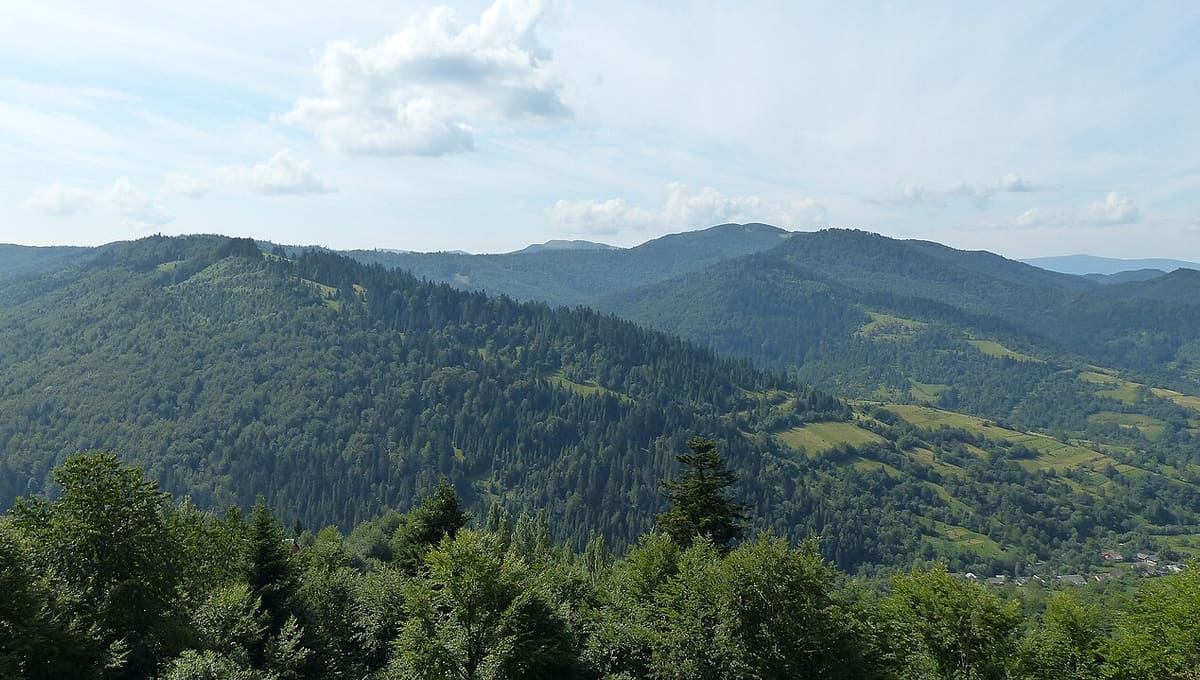
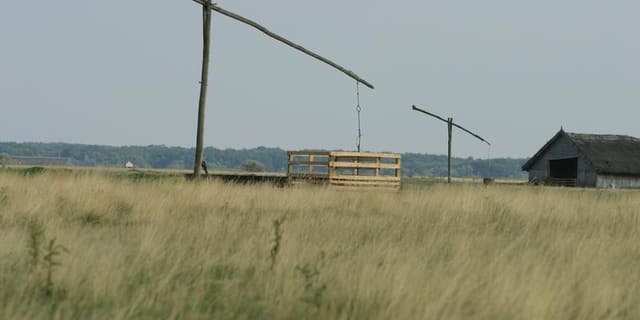
Image: Nick Grapsy · CC BY-SA 4.0 · Wikimedia Commons
The Transcarpathian Dark-Sky Park, designated in 2016, protects a sparsely populated stretch of Ukraine's Carpathian Mountains as part of the East Carpathian Tripark, the world's first triple dark-sky park shared across three countries.
Why Transcarpathian Dark-Sky Park is a top stargazing spot
Transcarpathian Dark-Sky Park forms one third of a cross-border network with Slovakia's Poloniny Dark-Sky Park and Poland's Bieszczady Starry-Sky Park, together covering more than 208,000 hectares of protected night sky, the largest arrangement of its kind anywhere. The region's low population and remote mountain terrain mean there is very little artificial light to interfere with viewing, and a pilot astronomical show held in the park has documented sky-brightness readings with a sky quality meter alongside professional telescope observations of Jupiter, Saturn, and the Moon.
What you can see
On a clear night, visitors can pick out galaxies, nebulae, and the zodiacal light alongside shooting stars, meteors, and occasional comets. The Perseid meteor shower, typically active in July and August, is a particular highlight, and with a telescope you can pick out Saturn's rings and the largest moons of Jupiter.
Visiting Transcarpathian Dark-Sky Park at night
The park is part of the wider Carpathian Starry Sky project, a cross-border effort focused on environmental research and preserving the region's cultural heritage alongside its night sky. Its main educational route, the Carpathian Starry Path, climbs Mount Yavirnyk from the Yavirnyk shelter to the ridge's high point at 1,017 metres, with information boards along the way explaining the effects of light pollution. Ranger-led stargazing events, run with local astronomy organisations, take place mainly in winter and spring, and the village of Shybene, about 150 kilometres south of Ivano-Frankivsk and 650 kilometres southwest of Kyiv, is a popular viewing base close enough for a weekend trip from either city. Since there's no official park website listed here, it's worth checking current local tourism sources before planning a visit.
Best time to go
As a Northern Hemisphere site at close to 49 degrees latitude, Transcarpathian Dark-Sky Park sees its richest Milky Way views from roughly March through September, with the galactic core climbing highest in the summer months. The Perseids in August are the standout meteor shower here, though the Geminids in December and the Quadrantids in January are also worth watching for on a clear winter night, which is also when the park's ranger-led programmes are most active. Whatever the season, a clear night near the new Moon and a few minutes for your eyes to adapt to the dark will make the biggest difference.
Getting there
The park sits in the Transcarpathian region of western Ukraine, in the Carpathian Mountains near the borders with Slovakia and Poland. The village of Shybene, roughly 150 kilometres south of Ivano-Frankivsk and 650 kilometres southwest of Kyiv, is a practical base for a visit.
See your named star from here
A sky dark enough to reveal zodiacal light and distant nebulae is an ideal place to track down a star you've named through Star Register: bring your certificate's coordinates and a stargazing app and let the Carpathians' remoteness do the rest. Browse the star catalogue to name your own star, or read our guide on how to find a star in the night sky before you go.
Conditions and access vary by season. Check Google Maps before you travel, and aim for a clear night near the new Moon for the darkest sky.
Satellite imagery: Esri, Maxar, Earthstar Geographics

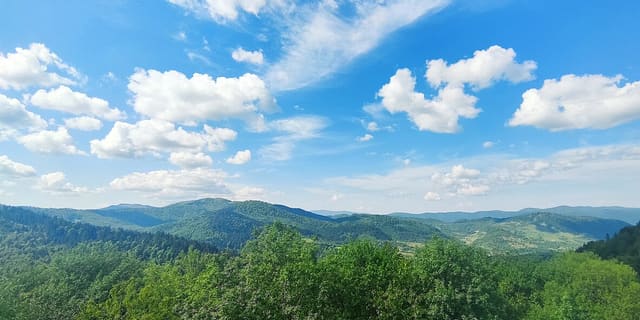 26 kmPreserve
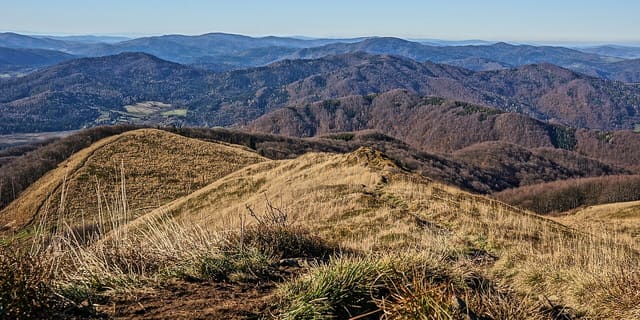 38 kmPreserve
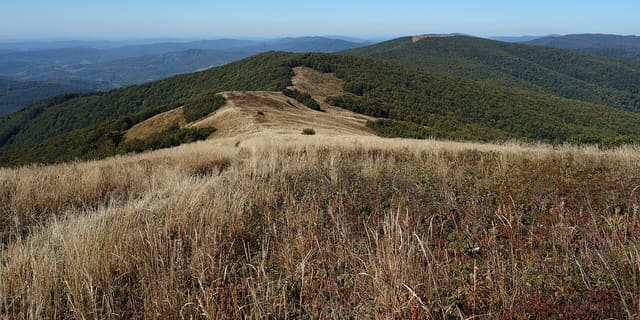 39 kmPreserve
 203 kmDark Sky Park