
East Carpathian Dark-Sky Tripark

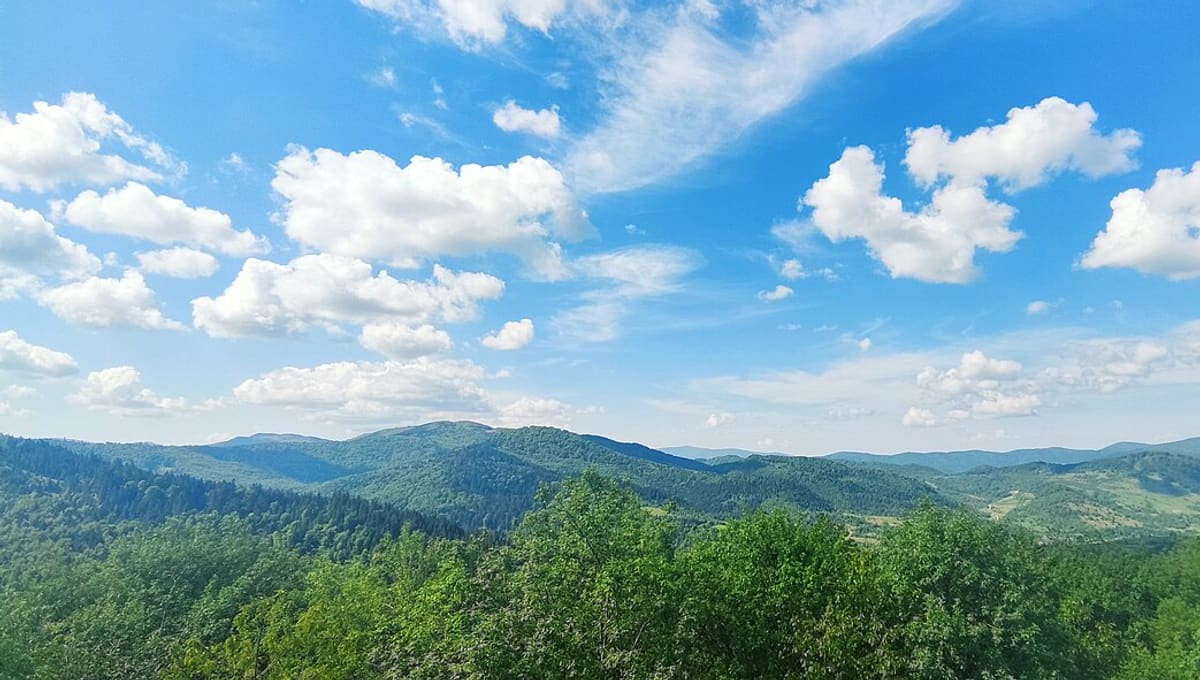
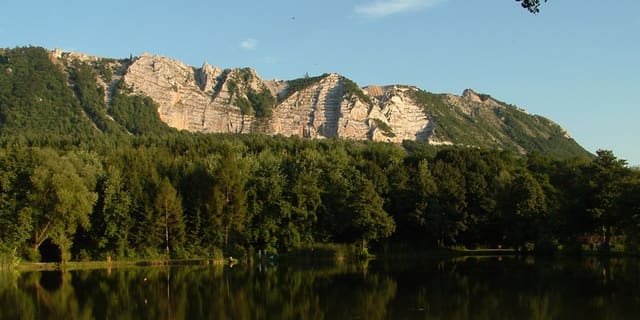
Image: Ekaterina trushakova · CC BY-SA 4.0 · Wikimedia Commons
The East Carpathian Dark-Sky Tripark stretches across the borders of Slovakia, Poland and Ukraine in the Bukovske vrchy mountain range of the Eastern Carpathians, covering around 208,667 hectares. It is the world's first and only trilateral dark-sky preserve.
Why East Carpathian Dark-Sky Tripark is a top stargazing spot
The tripark was established in 2016, built on the earlier Poloniny Dark-Sky Park in Slovakia, which was itself created in 2010 as the first dark sky area in Slovakia. Sky quality readings across the tripark range from 21.3 to 21.7 magnitudes per square arcsecond, placing it at Bortle Class 2 to 3, among the darkest measured skies in Central Europe. Managing dark sky protection across three national jurisdictions makes it a genuinely unusual site, and it is open to visitors year-round with no seasonal closures.
What you can see
At Bortle 2 to 3, the tripark's mountain skies show a rich, detailed Milky Way along with far more stars than are visible almost anywhere else in this part of densely populated Central Europe. The Perseid meteor shower has been documented here too, with astrophotographers capturing it streaking over the Kolonicke sedlo observatory area in August.
Visiting East Carpathian Dark-Sky Tripark at night
Because the reserve spans three countries and covers remote mountain terrain, visiting details vary by country and season, so check locally before you travel. The Slovak side is reachable via the town of Snina, from where regular buses run to Zboj village; from the Zboj bus stop it is a further 15 to 20 minute walk into the dark-sky area, and marked hiking trails cover much of the accessible ground. General dark-sky practice applies wherever you go here: pick a night near the new Moon, give your eyes time to adjust, and use only red light to protect your night vision.
Best time to go
In this part of the northern hemisphere the Milky Way's core is at its best from around March through September, arcing highest on clear, moonless nights in summer, while winter swaps it for the bright constellations of Orion and its neighbours. The Perseids in mid-August are the standout meteor shower here and have already been photographed over the tripark's Kolonicke sedlo area; the Geminids in mid-December and the Quadrantids in early January are worth the colder trip for anyone visiting in winter. Whenever you visit, plan around the new Moon, allow twenty to thirty minutes for your eyes to fully dark-adapt, and use only red light once you are out under the stars.
Getting there
The town of Snina, in eastern Slovakia, is the main access point for the Slovak side of the tripark. Regular buses run from Snina to Zboj village, the trailhead for reaching the dark-sky area, with a further 15 to 20 minute walk to get into the preserve itself. Nearby Kaluza has a small choice of accommodation for anyone staying overnight, including Penzion Juliana, Hotel Glamor and Hotel Felicia.
See your named star from here
Skies this dark, rare for Central Europe, are exactly the conditions where a named star's coordinates stop being an abstraction and become something you can actually locate. Bring them along with a stargazing app, browse the star catalogue or nearby observatories, and see the star-naming packages if you would like to name a star of your own.
Conditions and access vary by season. Check Google Maps before you travel, and aim for a clear night near the new Moon for the darkest sky.
Satellite imagery: Esri, Maxar, Earthstar Geographics

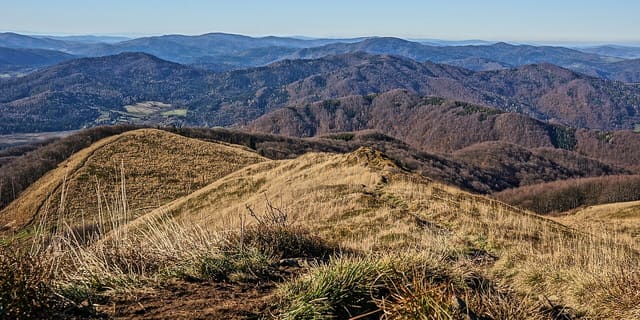 14 kmPreserve
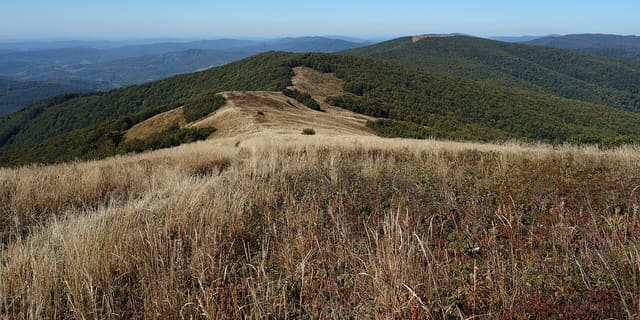 16 kmPreserve
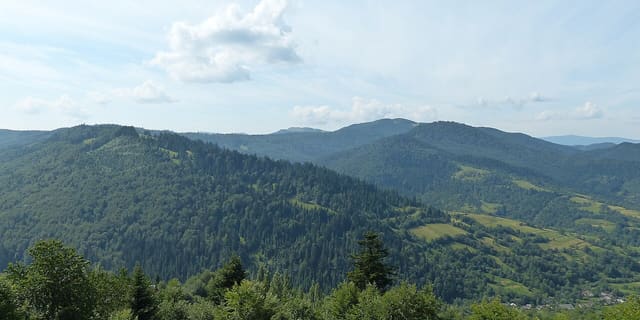 26 kmPreserve
 190 kmDark Sky Park