
Velká Fatra Dark-Sky Park

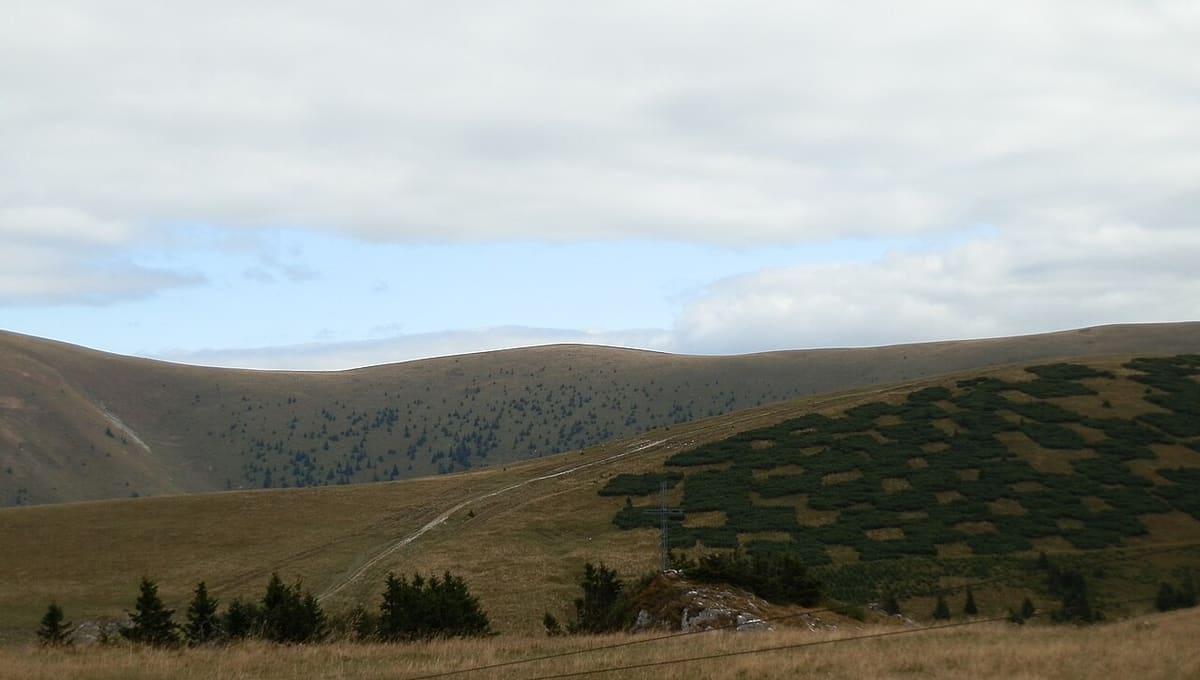
Image: Michal Jakubský · CC BY 3.0 · Wikimedia Commons
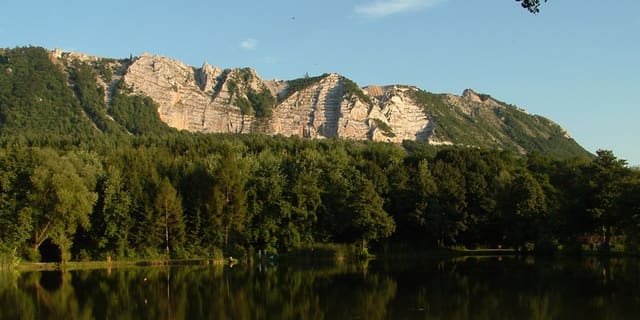
Velká Fatra Dark-Sky Park protects 325 hectares of mountain terrain at around 1,300 metres altitude within Slovakia's Velká Fatra National Park, created in 2015 during the International Year of Light.
Why Velká Fatra Dark-Sky Park is a top stargazing spot
When it was created, Velká Fatra became the 76th dark-sky park in the world, the 30th in Europe, and the third in Slovakia. Sky darkness here has been measured at 21.6 magnitudes per square arcsecond, placing it on the Bortle scale around class 3, a high-quality rural sky where faint detail is easy to see.
What you can see
At that level of darkness, expect the Milky Way to stand out clearly overhead, along with a much fuller view of fainter stars and meteor showers than any town sky can offer. The park's mountain setting near Kráľová Studňa adds an open, elevated horizon that suits both naked-eye stargazing and a telescope, with the surrounding ridgelines of the Veľká Fatra range giving unobstructed views in most directions once you are clear of the tree line.
Visiting Velká Fatra Dark-Sky Park at night
It's a popular spot with hikers as well as stargazers, so plan to arrive before dark if you want to combine a walk in the mountains with a night under the stars. For a more guided experience, the Mountain Hotel Kráľová Studňa offers two-night stargazing packages that include astronomy lectures and telescope observing run through the Observatory in Banská Bystrica, and the Skyline Velká Fatra Trek tour lets hikers stargaze right from their accommodation doorstep. As always, aim for a clear night near the new Moon and give your eyes time to adjust once the Sun goes down.
Best time to go
From this latitude in central Slovakia, the Milky Way's core is best placed from around March to September on clear, moonless nights, while winter brings sharp views of Orion and the bright winter stars from the park's elevated, open horizon. The Perseids peak each August and the Geminids each December, both well suited to a mountain sky this dark. Whatever the season, allow 20 to 30 minutes of dark adaptation and avoid white light once your eyes have adjusted.
Getting there
The park sits about 30 kilometres from Banská Bystrica, the nearest larger city, with good road access into the Kráľová Studňa area where resorts and log cabins are available for an overnight stay. Booking accommodation or a guided package in advance is a sensible way to make sure you are in the right spot once night falls, especially if you plan to combine stargazing with a day of hiking.
See your named star from here
A Bortle class 3 sky is dark enough to make finding a specific star a realistic evening's project rather than a guessing game. Bring the coordinates from your Star Register certificate and a stargazing app to Velká Fatra, browse the star catalogue to name a star before your trip, or check our observatories listing for a guided alternative.
Conditions and access vary by season. Check the official website and Google Maps before you travel, and aim for a clear night near the new Moon for the darkest sky.
Satellite imagery: Esri, Maxar, Earthstar Geographics

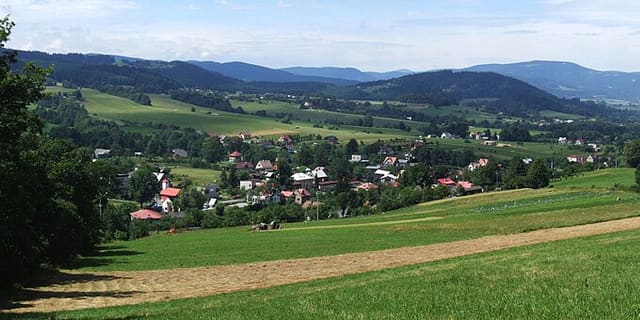 80 kmPreserve
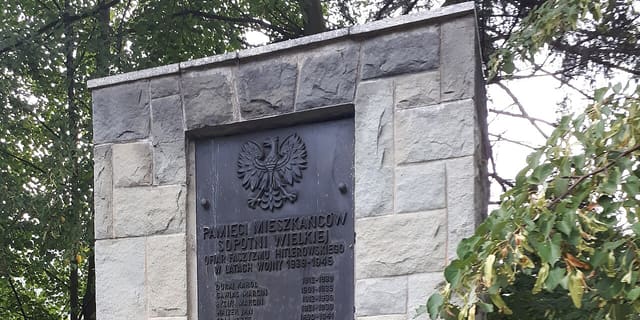 82 kmPreserve
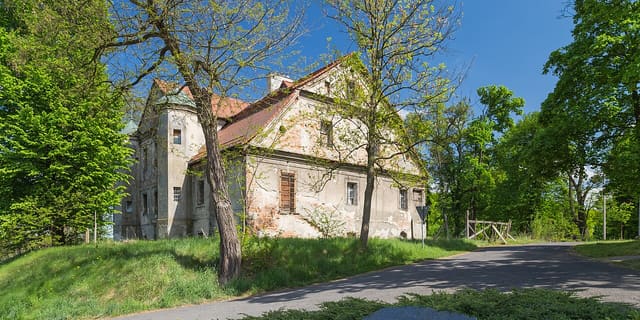 137 kmPreserve
 144 kmDark Sky Park