
Fulda


Image: Raimond Spekking · CC BY-SA 4.0 · Wikimedia Commons
Fulda is a city of about 68,000 people in Hesse, Germany, sitting between the Rhön and Vogelsberg mountains near the western edge of the Rhön International Dark Sky Reserve. It holds provisional International Dark Sky Community status, awarded February 7, 2019, the first German city to be recognised this way, and it's the largest Dark Sky Community by population in Europe and the second-largest in the world.
Why Fulda is a top stargazing spot
Fulda's dark-sky status is notable because of its size: most Dark Sky Communities are small towns, but Fulda has managed it at city scale. The designation was granted on a provisional basis, typically valid for an initial three-year period while a place works toward full compliance. The city maintains around 8,500 municipal streetlights and has a retrofit plan in place to bring them fully into compliance by 2027, alongside a lighting policy designed to cut light spill while respecting central European streetscape traditions. Its position near the Rhön International Dark Sky Reserve, designated in 2014, adds to the protected dark-sky landscape around it.
What you can see
With outdoor lighting under active management, Fulda offers noticeably better views of the night sky than a typical German city of similar size, and the nearby Rhön Reserve extends genuinely dark countryside just beyond the city limits. No published Bortle class or SQM reading is available for Fulda itself, but its provisional certification confirms conditions well above the German urban average.
Visiting Fulda at night
Fulda's dark-sky credentials make it a good base for exploring the wider Rhön International Dark Sky Reserve nearby. Because it's a working city rather than a park, check current lighting information and any public astronomy events on the official city site before you go.
Best time to go
At just over 50 degrees north, Fulda sits well within the northern hemisphere's stargazing calendar: the Milky Way core is best placed from around April through September, while the colder months from October to February bring long, clear nights and good views of Orion and the winter constellations. Meteor shower watchers should note the Perseids in August, the Geminids in December and the Quadrantids in January. Aurora sightings this far south are rare, though exceptionally strong geomagnetic storms have occasionally pushed the northern lights as far as central Germany, so it's a bonus rather than something to plan around. As anywhere, a new Moon night, 20 to 30 minutes of dark adaptation and a red light rather than white will get you the best view.
Getting there
Fulda sits on the river Fulda in eastern Hesse, roughly 100 km northeast of Frankfurt and well served by the ICE high-speed rail network, making Frankfurt Airport the nearest major international gateway.
See your named star from here
A city that manages its lighting this carefully gives you a real shot at spotting fainter stars, including one you've named, right from within town, with the Rhön Reserve nearby for even darker views. Bring your certificate's coordinates and a stargazing app and see what you can find. Explore star naming packages, browse the catalogue, or check other dark-sky sites.
Conditions and access vary by season. Check the official website and Google Maps before you travel, and aim for a clear night near the new Moon for the darkest sky.
Satellite imagery: Esri, Maxar, Earthstar Geographics

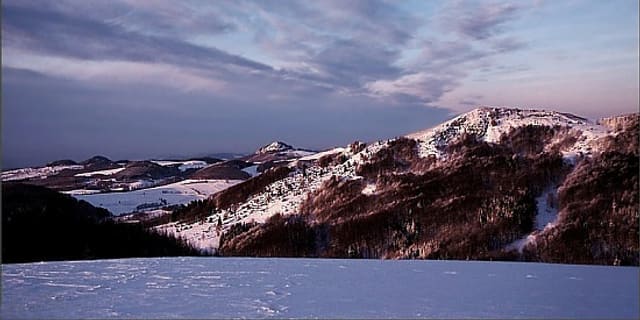 35 kmReserve
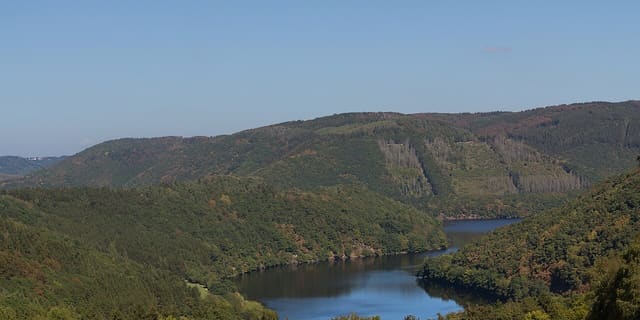 229 kmDark Sky Park
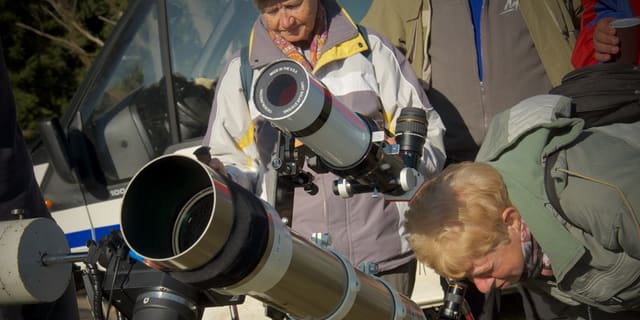 255 kmPreserve
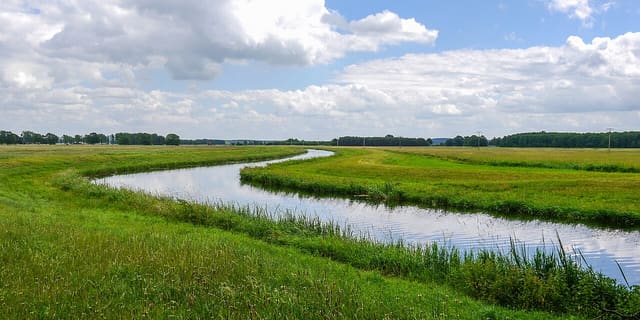 313 kmReserve