
Cévennes National Park

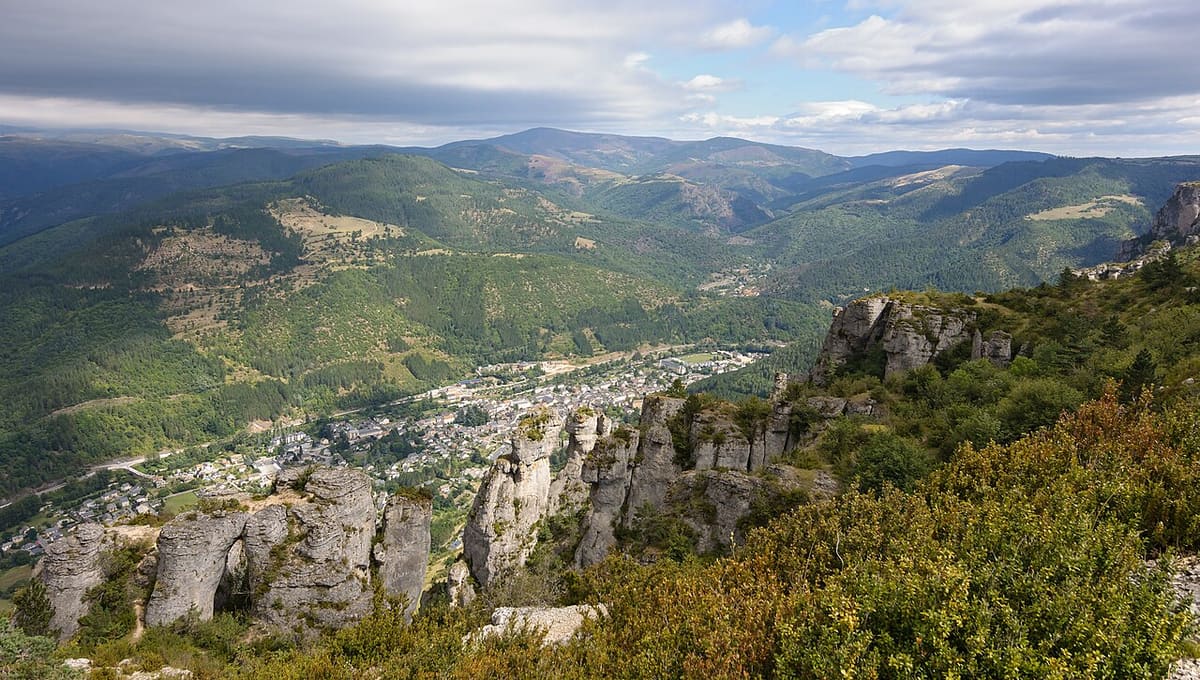
Image: Myrabella · CC BY-SA 3.0 · Wikimedia Commons
Cévennes National Park spans 2,973 square kilometers across the Lozère, Gard, Ardèche and Aveyron départements of southern France, and holds the title of Europe's largest International Dark Sky Reserve.
Why Cévennes National Park is a top stargazing spot
The reserve was designated on August 13, 2018, protecting a mountainous landscape that is also a UNESCO Biosphere Reserve, home to more than 2,300 plant species and 2,410 animal species, the highest biodiversity found anywhere in France. The Mont Aigoual Weather Observatory within the park is a popular gathering point for amateur astronomers and informal stargazing hikes, and its summit hosts Le Climatographe, an interpretation centre with over 700 square metres of exhibition space that reopened after a 2023 restoration.
What you can see
Visitors to Mont Aigoual and other high points in the reserve can watch for meteors and comets as well as the Milky Way and constellations on clear nights, easily seen with the naked eye away from the light pollution of the surrounding towns and cities.
Visiting Cévennes National Park at night
Beyond stargazing, the park offers hiking, mountain biking, fishing, kayaking and spelunking during the day. Anyone wanting to spend the night at altitude can book a room at the Gîtes de l'Observatoire, the accommodation at the Mont Aigoual summit itself, open from May 1 to September 30 for around 29 euros per person per night plus tourist tax; reservations are required. Elsewhere in the reserve, stargazing accommodations include transparent bubbles, domes and pyramids set among oak and chestnut trees, and the Domaine de Pradines campsite near the village of Lanuéjols, at roughly 900 metres altitude, is popular with stargazing travellers. For a more structured night out, astronomy courses run at Les Esperelles south of Mont Lozère, and specialist operators organise multi-day guided astro-hiking trips through the reserve with mountain guides and astronomers. As always, a clear, moonless night gives the best views, so check conditions and consult the official park site before setting out after dark.
Best time to go
Being in the northern hemisphere, the Cévennes sees the Milky Way's bright core ride highest from around March to September, making the warmer months the prime stargazing season at altitude, while winter brings clearer, drier air and the bold winter constellations instead. The Perseid meteor shower peaks in mid-August, a natural pairing with a summer visit to Mont Aigoual, while the Geminids in mid-December and the Quadrantids in early January reward anyone willing to brave the cold. Whatever the season, time your trip around the new Moon, allow 20 to 30 minutes for your eyes to adapt to the dark, and bring a red light to preserve your night vision once you are up there.
Getting there
Mont Aigoual, the reserve's best-known stargazing summit, sits above the town of Meyrueis and is reachable by mountain road from Millau, Alès or Florac, all within roughly an hour's drive. The surrounding villages, including Lanuéjols and Saint-Sébastien-d'Aigrefeuille, make good bases for a multi-night stay, and the park recommends checking road and weather conditions before heading up in the evening, especially outside summer.
See your named star from here
Standing beneath Europe's largest protected dark sky at Mont Aigoual is a memorable way to find a star you have named through Star Register. Bring your certificate's coordinates and a stargazing app, use our guide on how to find a star in the night sky if you need a hand, then browse the star catalogue or our observatories directory for more places to look up at the sky.
Conditions and access vary by season. Check the official website and Google Maps before you travel, and aim for a clear night near the new Moon for the darkest sky.
Satellite imagery: Esri, Maxar, Earthstar Geographics

 218 kmDark Sky Park
 294 kmReserve
 298 kmReserve
 324 kmReserve