
Albanyà


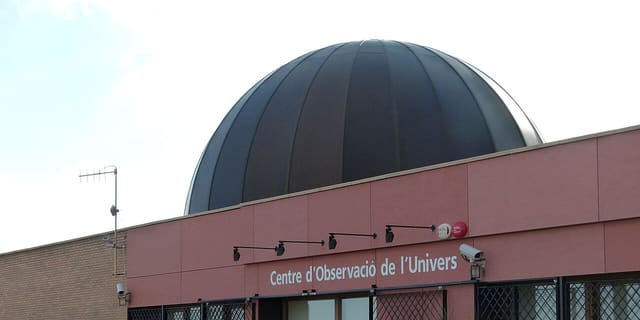
Image: ecfont · CC BY 2.0 · Wikimedia Commons
Albanyà is a small municipality in the Alt Empordà comarca of Girona, Catalonia, close to the French border, and it holds a notable distinction: it was the first place in Spain to become an International Dark Sky Park, certified in 2017. The area was already recognised as a Starlight Camp in 2015, and its rural, low-population setting has kept the night sky largely free of artificial light.
Why Albanyà is a top stargazing spot
The park is centred on Bassegoda Park, covering roughly 94 square kilometres of protected countryside less than a kilometre from the Muga River. In July 2017 the site opened a 40-centimetre telescope, the largest in Girona province, giving visitors a serious instrument for observing well beyond what the naked eye can reach. Bassegoda Park is also recognised as Spain's first smart campsite, built around energy efficiency and minimising light pollution, which reinforces the dark-sky protections across the whole area. Beyond the main observatory, several nearby viewpoints, including El Casalot, El Coll de la Creu, El Pla de la Bateria and El Pla de la Teularia, offer their own quiet spots to look up.
What you can see
On a clear, moonless night the Milky Way arches visibly overhead, along with star clusters and deep-sky objects that vanish under city lighting. Albanyà also hosts summer sky parties that draw hundreds of visitors, a good sign of how much there is to see and how welcoming the site is to newcomers with no equipment of their own.
Visiting Albanyà at night
Summer is the peak season, with organised sky-watching events at Bassegoda Park drawing large crowds, though the dark skies are there to enjoy year-round. Visitors can stay right inside the park itself: fully equipped bungalows sleeping two to seven people (the Morea Bungalows, for example, sleep five with a kitchen, shower and covered terrace) sit alongside camping pitches, a swimming pool, restaurant, bar, shop and free high-speed WiFi, so a night under the stars can turn into a full stay. Check the official Albanyà municipal site before travelling for up-to-date event dates and access details.
Best time to go
Albanyà sits at a mid-northern latitude, so the Milky Way's bright core is best seen from roughly March to September, arcing low across the southern sky in the hours after dark. Winter nights favour the brighter stars of Orion and its neighbours instead. Meteor watchers should look out for the Perseids in August and the Geminids in December, both strong performers from this part of Europe. Whenever you go, plan around the new Moon, give your eyes twenty to thirty minutes to adjust to the dark, and use a red light rather than a white torch to protect your night vision.
Getting there
Albanyà lies in inland Girona province, close to the French border in the Alt Empordà comarca, with Figueres and Girona the nearest larger towns. It is a rural setting best reached by car; check the municipal site for current road and access conditions before setting out after dark.
See your named star from here
A certified dark-sky park like Albanyà reveals thousands more stars than you would ever see from a city, which makes it an ideal place to track down a star you have named through Star Register. Bring your certificate's coordinates and a stargazing app, browse the full star catalogue beforehand, and use the 40-centimetre telescope on site or your own equipment to find it in the sky above Bassegoda Park.
Conditions and access vary by season. Check the official website and Google Maps before you travel, and aim for a clear night near the new Moon for the darkest sky.
Satellite imagery: Esri, Maxar, Earthstar Geographics

 166 kmReserve
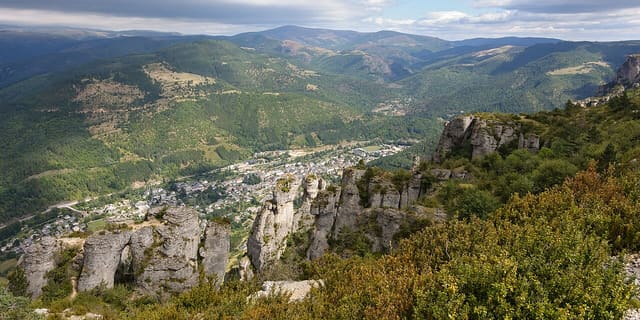 218 kmReserve
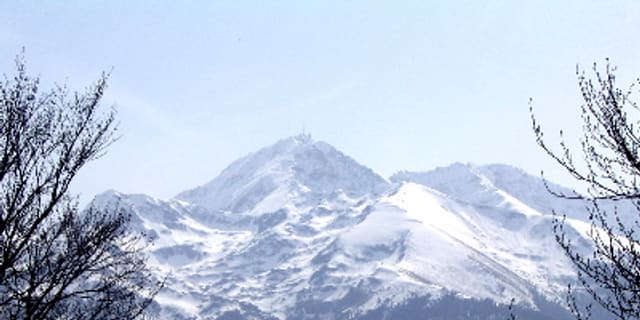 222 kmReserve
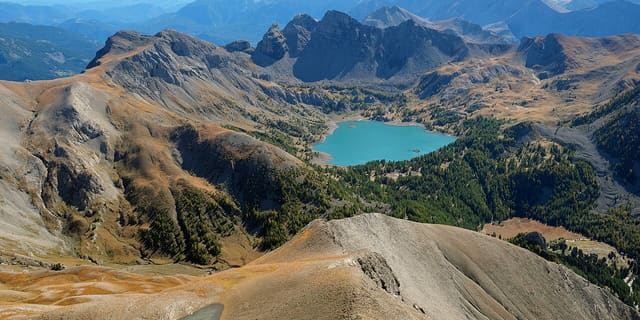 410 kmReserve