
Pic du Midi de Bigorre

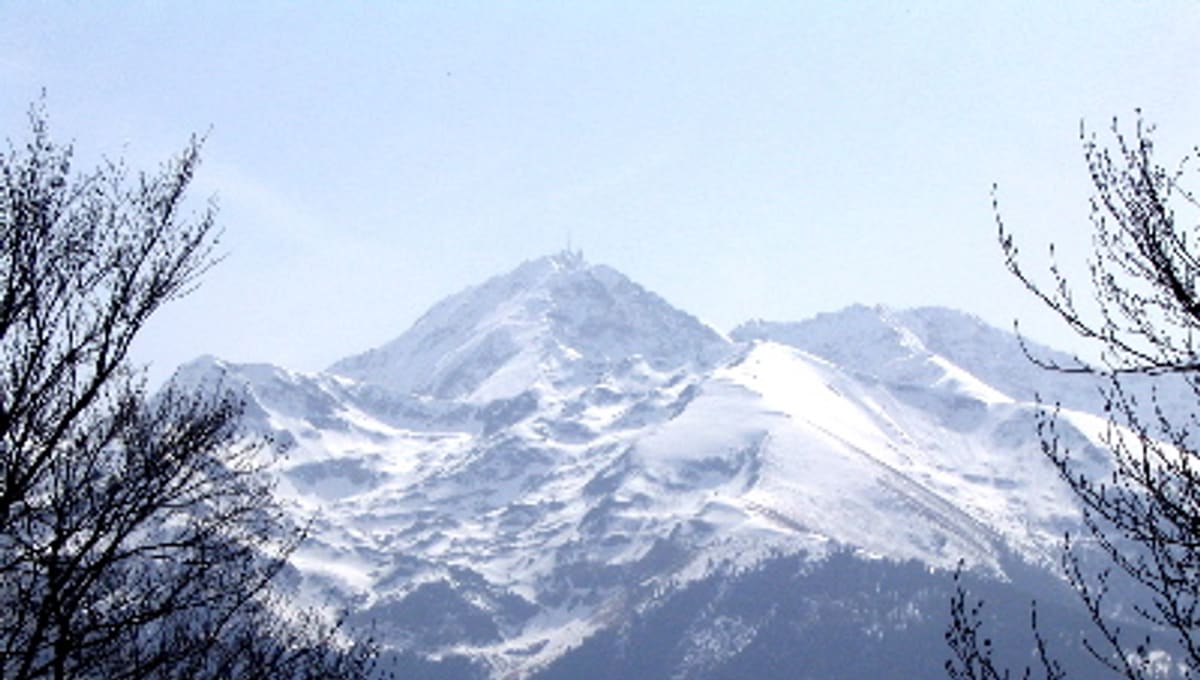
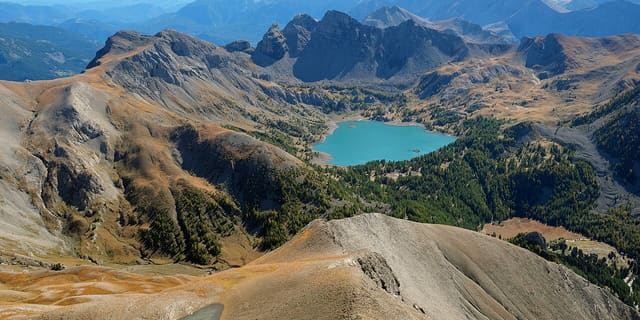
Image: The original uploader was Nathan Hamblen at French · CC BY-SA 3.0 · Wikimedia Commons
Pic du Midi de Bigorre rises to 2,877 metres in the French Pyrenees, crowned by the historic Pic du Midi Observatory. In 2013 it became the sixth International Dark Sky Reserve in the world and the first in Europe, and it remains the only one in France.
Why Pic du Midi de Bigorre is a top stargazing spot
The reserve stretches across roughly 3,000 square kilometres, covering about 65% of the Hautes-Pyrenees department, protecting the mountain's exceptionally clear, high-altitude air from light pollution. Systematic surveys back this up: more than 600 sky-brightness measurements across the reserve's core zone put the mean SQM reading at 21.31 magnitudes per square arcsecond, with the darkest single reading, 22.04, recorded in the nearby Néouvielle National Nature Reserve. Visual assessments generally place the reserve at Bortle Class 3 to 4, meaning the Milky Way is reasonably visible, though it can weaken toward the horizon in places. December 2016 readings held steady between 21.1 and 21.2, confirming the reserve keeps its darkness consistently through the year.
What you can see
From this altitude, above much of the atmosphere's haze and moisture, the Milky Way and countless fainter stars stand out with a clarity that is hard to find anywhere else in Europe. Guided evening tours at the summit observatory let visitors look through professional-grade equipment rather than relying on the naked eye alone.
Visiting Pic du Midi de Bigorre at night
The Soirees Galactiques astronomy evenings run three times a week in July and August, with sky-scanning sessions that continue until midnight. For a fuller night out, the Nuits au Sommet overnight package includes dinner, extended stargazing with telescope access, and a stay on the summit; round-trip cable car admission starts at roughly $60. Book ahead through the official Pic du Midi site, since access to the peak is by cable car and capacity is limited.
Best time to go
Summer brings the organised Soirees Galactiques evenings and the mildest conditions for a night at altitude, but the reserve's SQM readings stay dark enough for good viewing across the seasons. Winter nights add the bonus of the bright winter constellations and, for northern-sky watchers, the Perseid meteor shower in August and the Geminids in December are both worth timing a visit around. Whenever you go, check for a new Moon window and allow 20 to 30 minutes for your eyes to dark-adapt before the best views appear.
Getting there
The reserve sits in the Hautes-Pyrenees department of southern France, with the summit observatory reached only by cable car; capacity is limited, so book your slot through the official Pic du Midi website ahead of time rather than arriving on spec.
See your named star from here
A sky this dark reveals stars that city dwellers never see. If you've named a star through Star Register, bring its coordinates and a stargazing app up the mountain and you'll have one of the best chances in Europe of picking it out. Browse the full star catalogue, check other certified dark-sky sites on our stargazing page, or see nearby observatories before you plan your trip.
Conditions and access vary by season. Check the official website and Google Maps before you travel, and aim for a clear night near the new Moon for the darkest sky.
Satellite imagery: Esri, Maxar, Earthstar Geographics

 113 kmReserve
 222 kmDark Sky Park
 298 kmReserve
 576 kmReserve