
Yorkshire Dales National Park

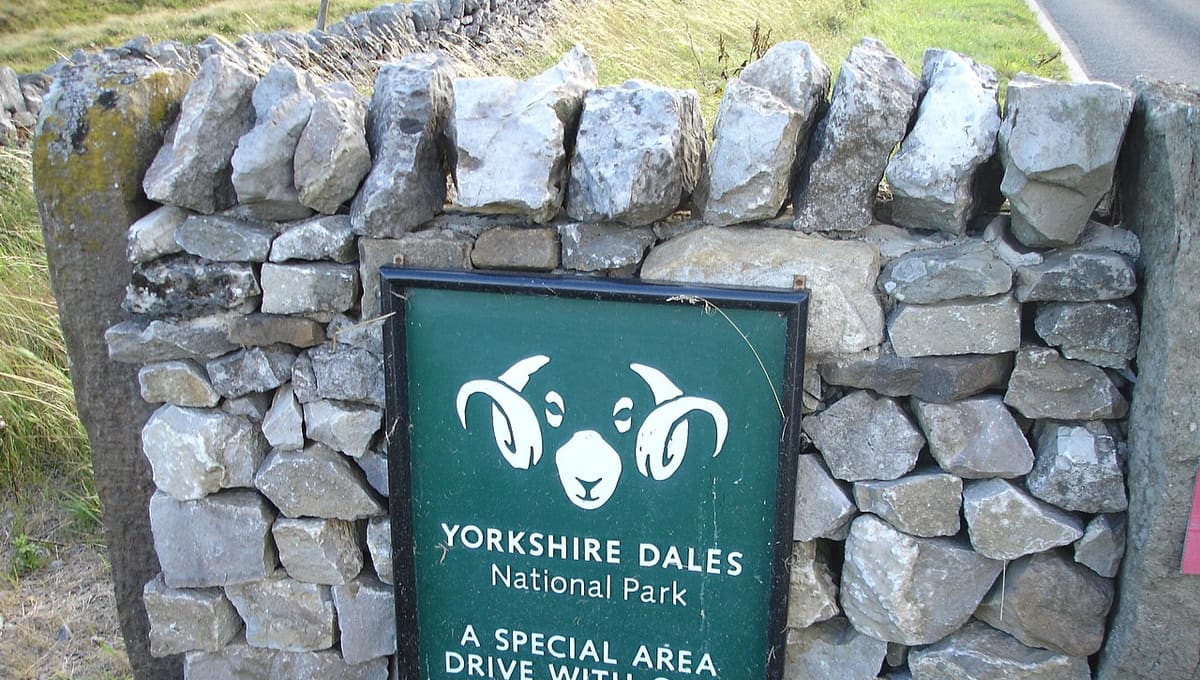
Image: LordHarris at English Wikipedia · Public domain · Wikimedia Commons
The Yorkshire Dales National Park covers 2,178 square kilometres of northern England, mostly in North Yorkshire with parts in Cumbria and Lancashire. In 2020 the whole park was designated an International Dark Sky Reserve, making it the largest Dark Sky Reserve in the UK.
Why Yorkshire Dales National Park is a top stargazing spot
Unlike many reserves that protect only a portion of a wider landscape, the entire Yorkshire Dales park carries the designation. In its core area, an arc of land around Hawes, some 90% of residential lighting is already dark sky friendly, exceeding the compliance standards of many other UK reserves, a sign of how seriously the park and its more than 1,000 farms, on land that is over 95% privately owned, have taken the commitment to dark skies. The park measures an average Bortle rating of 4, with some spots as low as 21.6 on a sky quality meter and a naked-eye limiting magnitude of 6.3, figures that make it the third-darkest national park in the UK. Combined with the neighbouring North York Moors, it forms the largest protected night-sky region in the country, at 3,615 square kilometres.
What you can see
On clear nights, thousands of stars are visible to the naked eye across the park, with the Milky Way clearly visible and major constellations such as Orion and the Plough easy to pick out. The scale of the reserve means there is rarely a shortage of open, unlit moorland to view from.
Visiting Yorkshire Dales National Park at night
Four Dark Sky Discovery Sites give visitors reliable places to stargaze: Scar House Reservoir, Buckden Car Park, the Dales Countryside Museum car park in Hawes (postcode DL8 3NT), and the Tan Hill Inn, which is particularly well regarded for its wide views across open moorland. At 1,732 feet, the Tan Hill Inn is the highest point on Yorkshire's road network and sits directly on the Pennine Way National Trail; the 17th-century pub has nine bedrooms, a camping field and is dog-friendly, making it a practical base for a night of stargazing. A Dark Skies Festival runs each February and October with astrophotography workshops, guided stargazing safaris and night walks, and the best viewing months run from September to May when nights are longer and darker. Check the official Yorkshire Dales website for current event dates, and plan around the new Moon for the darkest skies.
Best time to go
September to May gives the longest, darkest nights here, with the Dark Skies Festival each February and October built around exactly that window. Winter evenings bring Orion and the other bright winter constellations well up before a reasonable bedtime, while the Geminid meteor shower in December and the Quadrantids in early January are both worth a cold-weather trip. Even in the shorter nights of summer, a clear evening close to the new Moon can still deliver a good view of the Perseids in August. Whatever the date, give your eyes twenty to thirty minutes to adapt to the dark and use a red light rather than a white torch or phone screen once you're out on the moor.
Getting there
The park's Dark Sky Discovery Sites are spread across North Yorkshire and into Cumbria; the Tan Hill Inn, for instance, sits on the Reeth to Brough road at postcode DL11 6ED, with roadside parking as well as a car park for customers, while the Dales Countryside Museum site in Hawes is at DL8 3NT. Both make good starting points for planning a route to one of the darker corners of the park.
See your named star from here
A reserve this large and this dark makes it easy to see stars invisible from any city, which is exactly what you need to spot a star you have named. Bring its coordinates and a stargazing app to one of the park's Discovery Sites and try to find it in the open sky above the dales. Browse the star catalogue, name a star through Star Register, or see more certified dark sky locations on our observatories page.
Conditions and access vary by season. Check Google Maps before you travel, and aim for a clear night near the new Moon for the darkest sky.
Satellite imagery: Esri, Maxar, Earthstar Geographics

 87 kmReserve
 111 kmDark Sky Park
 117 kmDark Sky Park
 147 kmCommunity