
Northumberland National Park


Image: The original uploader was Keith Edkins at English Wikipedia. · CC BY-SA 3.0 · Wikimedia Commons
Northumberland National Park, England's northernmost national park, stretches from the Scottish border down past Hadrian's Wall, and in 2013 it became England's first International Dark Sky Park.
Why Northumberland is a top stargazing spot
DarkSky International designated Northumberland National Park, together with the neighbouring Kielder Water & Forest Park, as a Dark Sky Park in 2013, and the combined site holds Gold Tier status, the organisation's darkest rating, putting it alongside Death Valley and Big Bend in the United States among the largest Gold Tier parks in the world. The national park itself covers around 410 square miles, and the joint dark-sky designation with Kielder extends across roughly 572 square miles in total. An estimated 96% of the park benefits from very low levels of light pollution, and sky quality in the darkest areas measures Bortle Class 2 to 3.
What you can see
In the park's darkest areas, visitors can see millions of stars and even pick out the Andromeda Galaxy with the naked eye, a sight rarely possible anywhere near England's towns and cities.
Visiting Northumberland at night
Autumn and winter are the best seasons to stargaze here, since the nights are longest and skies are often at their clearest. Five observatories serve the wider dark sky park: Battlesteads, Kielder, Stonehaugh, Twice Brewed and Allenheads. Kielder Observatory runs stargazing events most nights of the year, including themed Aurora Nights and Deep Space Nights sessions, and each year the Northumberland Dark Skies Festival, running from 12 to 28 February, brings around 14 events to Kielder Observatory alone, covering topics from the aurora and dark matter to exoplanets. Check the Northumberland National Park website for current opening times and festival dates before you travel, especially outside the darker months.
Best time to go
Fewer daylight hours and typically clearer air make autumn and winter the classic stargazing season here, with the Geminids in December and the Quadrantids in January well placed against the long winter nights, though the Perseids in August are also popular while the weather is milder. The Milky Way's core is at its best from around March to September, low in the southern sky after dark. Northumberland is one of the more realistic places in England to catch the aurora during a strong geomagnetic storm, which is why Kielder Observatory runs dedicated Aurora Nights. As anywhere, a new-Moon night, 20 to 30 minutes of dark adaptation and a red light instead of white will get you the best view.
Getting there
The park runs from the Scottish border south to just past Hadrian's Wall and lies entirely within Northumberland. Twice Brewed, home to one of the dark sky park's observatories, sits on the Hadrian's Wall corridor and makes a common base for night-sky visits; check the Northumberland National Park website for directions to the park's observatories and viewing spots before you travel.
See your named star from here
A Gold Tier dark sky like Northumberland's is about as dark as it gets in England, making it an excellent place to track down a star named through star-register.eu. Bring your certificate's coordinates and a stargazing app to one of the park's observatories or stargazing spots on a clear autumn or winter night. Browse our star catalogue or see our naming packages, and check our observatories directory for more certified dark-sky sites.
Conditions and access vary by season. Check the official website and Google Maps before you travel, and aim for a clear night near the new Moon for the darkest sky.
Satellite imagery: Esri, Maxar, Earthstar Geographics

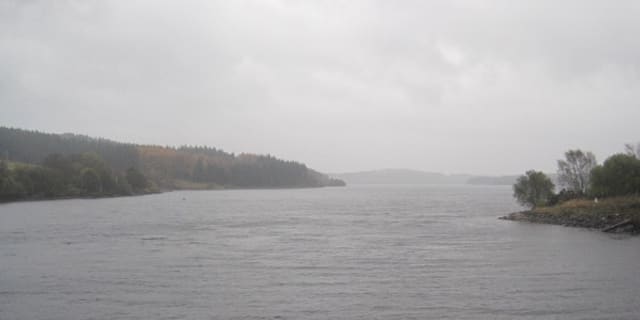 27 kmDark Sky Park
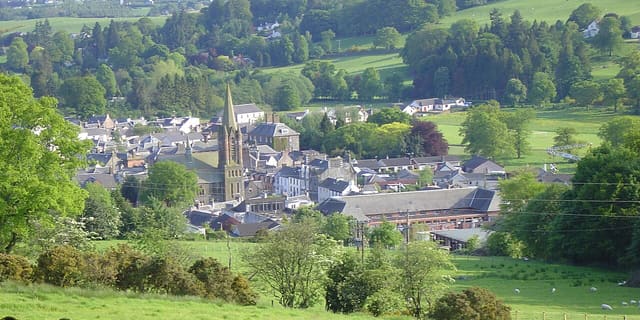 78 kmCommunity
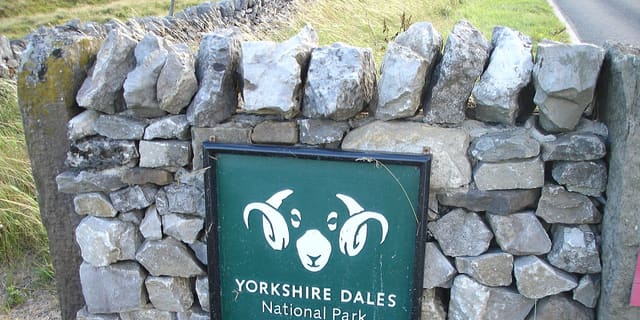 117 kmReserve
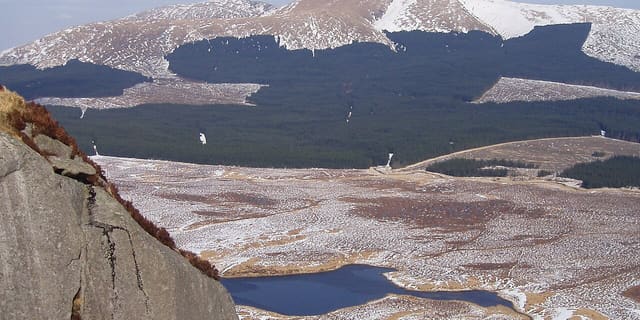 142 kmDark Sky Park