
Galloway Forest Park

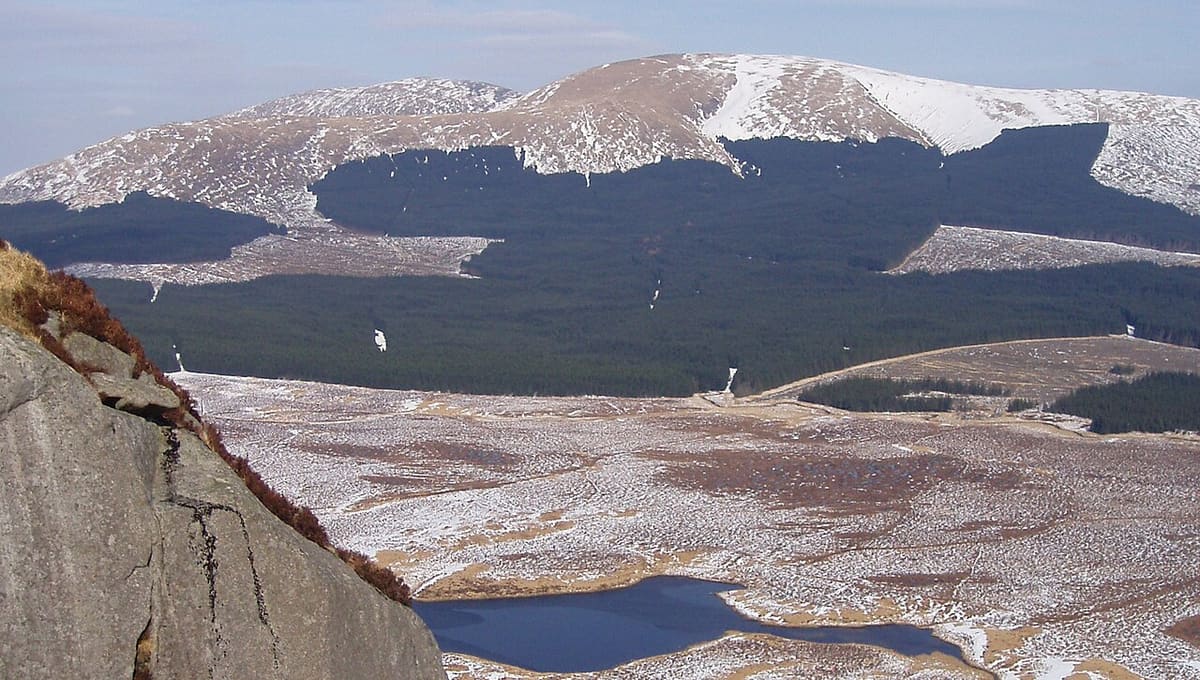
Image: 2005biggar at English Wikipedia · CC BY-SA 3.0 · Wikimedia Commons
Galloway Forest Park spans 774 square kilometres of woodland across Kirkcudbrightshire and Wigtownshire in Dumfries and Galloway, Scotland, making it the largest forest in the UK. It became the first Dark Sky Park in the UK, and the fourth in the world, when it was awarded gold-tier status in November 2009. The park was established in 1947 and remains very sparsely populated within its boundaries.
Why Galloway Forest Park is a top stargazing spot
Galloway's gold-tier International Dark Sky Park status is the highest tier DarkSky International awards, and the park remains the only Gold Status site in the UK and one of just three in the whole of Europe. Sky quality meter readings taken at different spots across the park have measured between 21 and 23.6, reflecting genuinely exceptional darkness across its vast, thinly populated forest. Visitors can see more than 7,000 stars with the naked eye on a clear night, and the Milky Way often stretches visibly across the entire sky.
What you can see
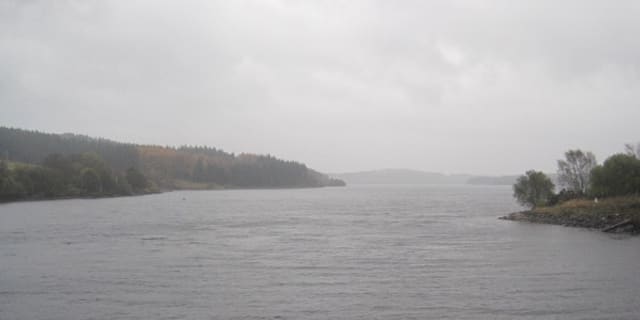
With gold-tier darkness, Galloway reveals far more of the sky than a typical UK location: thousands of individual stars are visible without any equipment, and the Milky Way's structure is easy to trace overhead. Dark Sky Rangers, including Elizabeth and Matt, run guided tours and educational events that help visitors pick out constellations and deep-sky features, with Clatteringshaws Loch a favourite viewing spot alongside the forest around Glen Trool and Kirroughtree.
Visiting Galloway Forest Park at night
The visitor centres at Glen Trool and Kirroughtree, which together see around 150,000 visitors a year within the park's overall 800,000-plus annual total, are good starting points for a night visit, and the open shoreline at Clatteringshaws Loch gives an easy, uncluttered view of the sky. Dark Sky Ranger events typically cost around 15 pounds for adults, 8 pounds for children and 38 pounds for a family ticket; Kirroughtree Visitor Centre (01671 402994) can confirm current dates and take bookings. As anywhere, a new Moon night, time for your eyes to adapt, and a red light rather than white will improve what you see.
Best time to go
The Milky Way's bright core is best seen from the northern hemisphere roughly between March and September, though at Galloway's latitude of around 55 degrees north the sky barely gets properly dark through the long twilight of high summer, so late summer and early autumn nights tend to give the clearest combination of a dark sky and a high Milky Way. Winter brings the longest nights and crisp views of Orion and the other bright winter constellations, and this far north the aurora borealis is occasionally visible during strong geomagnetic storms. The Perseids peak in August, the Geminids in December and the Quadrantids in January are all worth planning around, and as always, aim for a night near new Moon and give your eyes 20 to 30 minutes to adapt in the dark, using a red light rather than white.
Getting there
Galloway Forest Park lies in Dumfries and Galloway in southwest Scotland. The visitor centres at Glen Trool and Kirroughtree are the easiest bases for reaching the park's dark-sky viewpoints, including Clatteringshaws Loch, and both are signposted from the surrounding road network. Check the Forestry and Land Scotland website for driving directions and current ranger event dates before you travel.
See your named star from here
Under skies dark enough to show 7,000 stars to the naked eye, Galloway Forest Park is a genuinely strong place to track down a star you've named. Bring your certificate's coordinates and a stargazing app to Glen Trool, Kirroughtree or Clatteringshaws Loch and see if you can spot it yourself. If you haven't named a star yet, browse our packages, search the catalogue, or explore other dark-sky parks.
Conditions and access vary by season. Check Google Maps before you travel, and aim for a clear night near the new Moon for the darkest sky.
Satellite imagery: Esri, Maxar, Earthstar Geographics

 66 kmCommunity
 116 kmDark Sky Park
 142 kmDark Sky Park
 178 kmReserve