
Kielder Water & Forest Park

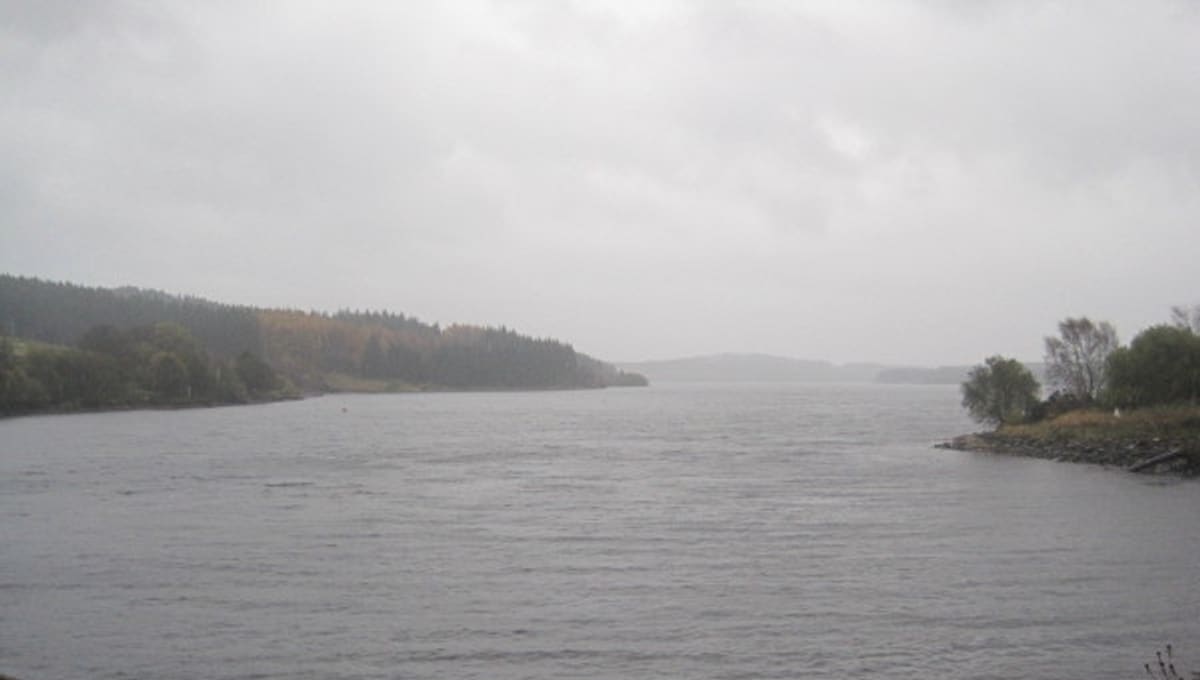
Image: Les Hull · CC BY-SA 2.0 · Wikimedia Commons
Kielder Water & Forest Park sits in Northumberland, England, and forms part of the largest Gold Tier International Dark Sky Park area in Europe. Together with the adjoining Northumberland National Park, it covers nearly 580 square miles of protected night sky, some of the darkest in the country.
Why Kielder Water & Forest Park is a top stargazing spot
Kielder was recognised by the International Dark-Sky Association (now DarkSky International) with Gold Tier status in December 2013, and measured sky quality here reaches 21.93 magnitudes per square arcsecond, a Bortle class 3 reading with a naked-eye limiting magnitude of 6.6. The Northumberland National Park and Kielder Water & Forest Park designation was the first International Dark Sky Park made up of two separate parkland units, reflecting how much of this stretch of England has been kept free of light pollution. The Campaign for Protection of Rural England has also identified the skies here as the darkest in England, a rare distinction for a country with so much artificial light.
What you can see
On a clear night the Milky Way arcs visibly overhead, something that is impossible to see from most British towns and cities. The scale of the protected area, spanning forest, moorland and one of England's largest reservoirs, means there is very little scattered light to wash out fainter stars, giving visitors an unusually deep and detailed view of the night sky for a lowland European site.
Visiting Kielder Water & Forest Park at night
Kielder Observatory gives visitors free access to a range of high-specification telescopes, so there is no need to bring your own equipment, and it runs guided telescope sessions, aurora hunts and evening events suited to all experience levels. The Kielder Forest Star Camp takes place twice a year, alongside a calendar of other stargazing events hosted across the park. Kielder's size and rural setting make it a genuine escape from urban skyglow, but conditions still change with the weather and season, so it is worth checking the official Visit Kielder site and the observatory's programme before you travel.
Best time to go
Kielder's official advice points to autumn and winter as the optimal viewing season, when nights are longest and darkest for the observatory's evening programmes. Northumberland's high latitude also means the aurora borealis is occasionally visible on clear nights during strong solar activity, which is why the observatory runs dedicated aurora hunts. In summer the Milky Way's core rises low across the southern sky for a shorter window around the new Moon, while winter brings excellent views of Orion and the other bright constellations. Whenever you go, allow twenty to thirty minutes for your eyes to adapt to the dark and use a red light to protect your night vision.
Getting there
Kielder lies in a remote corner of Northumberland, close to the border with Scotland, within the wider protected area that also takes in Northumberland National Park. The Visit Kielder website has current directions and travel advice, since much of the approach is via minor rural roads.
See your named star from here
A sky as dark as Kielder's is exactly the kind of place where a named star stops being an abstract certificate and becomes something you can actually find. Bring your star's coordinates and a stargazing app, and Kielder's near total absence of light pollution gives you a real shot at picking it out. Browse the full star catalogue or explore other dark-sky observatories for more places to look up.
Conditions and access vary by season. Check the official website and Google Maps before you travel, and aim for a clear night near the new Moon for the darkest sky.
Satellite imagery: Esri, Maxar, Earthstar Geographics

 27 kmDark Sky Park
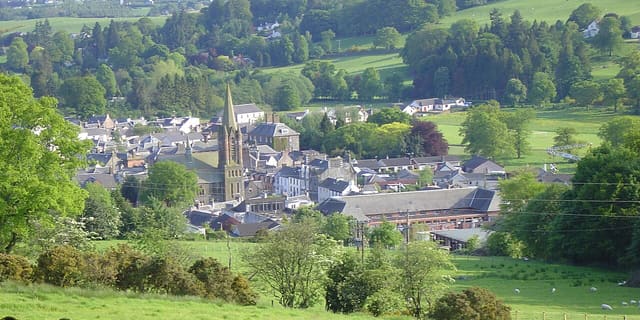 54 kmCommunity
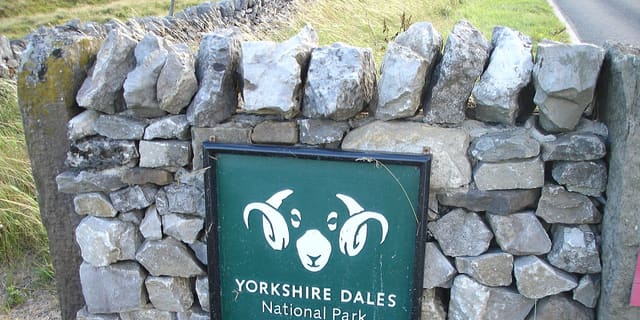 111 kmReserve
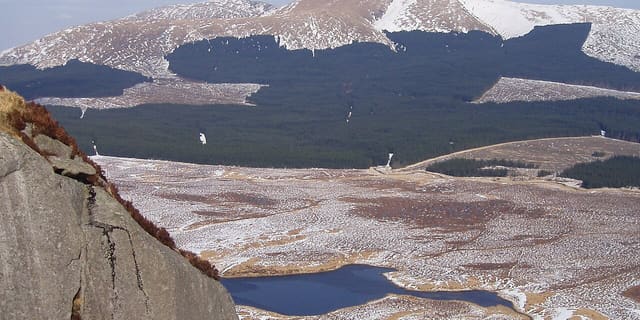 116 kmDark Sky Park