
North York Moors National Park

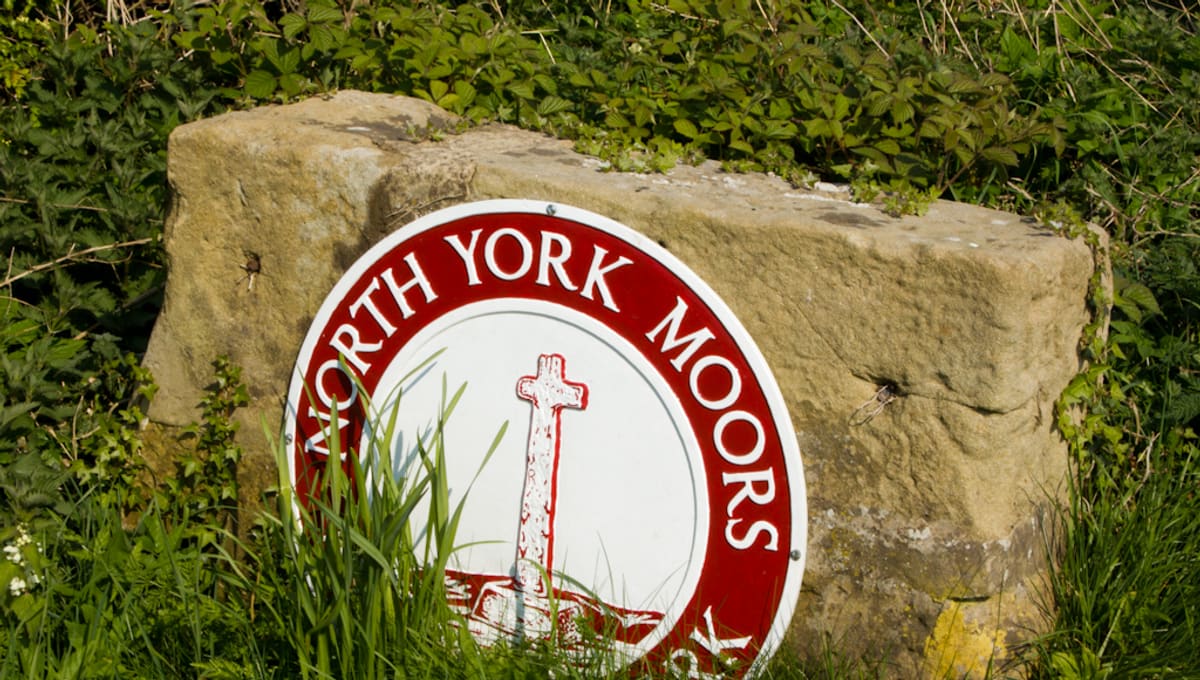
Image: MarcusBritish · CC BY-SA 3.0 · Wikimedia Commons
The North York Moors National Park in England was named an International Dark Sky Reserve in December 2020, one of only 27 such reserves in the world at the time. Spread across some of the driest upland in the UK, its moorland skies stay clear more often than most, making it one of the best places in the country to see stars away from city lights.
Why North York Moors National Park is a top stargazing spot
The reserve status recognises both the quality of the night sky above the moors and the park's efforts to keep artificial light to a minimum. Sky quality readings across the reserve average around magnitude 21.33, equivalent to a naked-eye limiting magnitude of about 6.3 and placing much of the park at Bortle Class 4. Combined with the neighbouring Yorkshire Dales National Park, also an International Dark Sky Reserve, the two together form the largest protected dark-sky region in the United Kingdom, covering some 3,615 square kilometres. On the darkest, clearest nights, visitors at the park's designated dark sky sites can pick out up to 2,000 individual stars with the naked eye, a view most people never get to experience.
What you can see
Away from the moor's few pockets of light, the Milky Way arcs clearly overhead, and with up to 2,000 stars visible on the best nights there is plenty to pick out with the naked eye alone, from bright stars to fainter clusters usually washed out by light pollution. A basic star chart or stargazing app makes it easy to turn that view into named constellations.
Visiting North York Moors National Park at night
The park has three official Dark Sky Discovery Sites: Sutton Bank, home to the Star Hub with a flat viewing area, outdoor seating and a heated pavilion opened in 2021; Danby Lodge; and Dalby Forest, where the operator AstroDog runs guided night-sky tours and astrophotography workshops from September onwards. Adventures for the Soul offers mindful night walks that combine yoga with stargazing, and astronomer Richard Darn leads stargazing experience packages, including ones run with The Grand hotel in York. A Dark Skies Festival runs across the park from 13 February to 1 March, with a smaller Dark Skies Fringe Festival from 25 October to 3 November, both bringing astrophotography workshops, guided stargazing safaris and night walks; some local accommodation providers also lend out telescopes, binoculars and reclining chairs with blankets for guests. Check the official North York Moors website before you travel for current event dates and site access.
Best time to go
Late summer through winter is generally the most rewarding stretch here: the Milky Way's core is still visible low in the south in August and September, the Perseids peak in mid-August, and by December the long, dark winter nights bring out Orion and the other bright winter constellations under some of England's clearest skies. The Geminids in December and the Quadrantids in January are both well placed. During strong geomagnetic storms the aurora has occasionally been glimpsed this far south, though it is never guaranteed. As always, aim for a night around the new Moon, give your eyes 20 to 30 minutes to adjust, and use a red light rather than a white torch to preserve your night vision.
Getting there
The park sits in North Yorkshire, England. Sutton Bank, one of its main dark sky viewing sites, is reached via the A170 between Thirsk and Scarborough, while Dalby Forest and Danby Lodge are signposted from the surrounding villages; check the North York Moors website for directions and current access before you travel.
See your named star from here
A reserve-grade sky like this reveals far fainter stars than you would ever see from a city, which makes it an ideal place to track down a star you have named. If you have named a star through Star Register, bring its coordinates and a stargazing app to one of the park's dark sky sites and try to spot it for yourself. Browse the full star catalogue for inspiration, or see other certified dark sky locations on our observatories page.
Conditions and access vary by season. Check the official website and Google Maps before you travel, and aim for a clear night near the new Moon for the darkest sky.
Satellite imagery: Esri, Maxar, Earthstar Geographics

 87 kmReserve
 144 kmDark Sky Park
 154 kmDark Sky Park
 205 kmCommunity