
Grand Canyon National Park

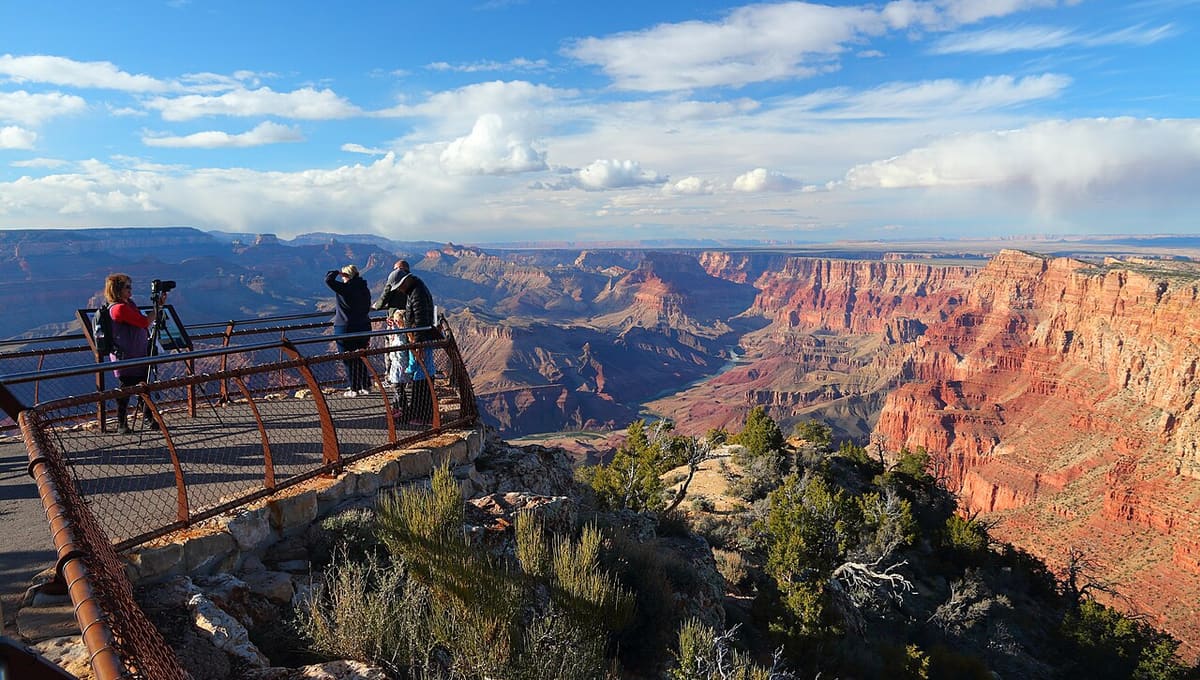
Image: Marek Ślusarczyk (Tupungato) Photo portfolio · CC BY 3.0 · Wikimedia Commons
Grand Canyon National Park, an International Dark Sky Park spanning Coconino and Mohave counties in northwestern Arizona, pairs one of the world's most famous landscapes with some of the darkest night skies left in the American Southwest.
Why Grand Canyon National Park is a top stargazing spot
The park holds Gold Tier International Dark Sky Park status, the highest level DarkSky International awards. Night sky measurements taken by the National Park Service have recorded Bortle Class 2 to 3 conditions at multiple points across the park, with a naked-eye limiting magnitude of around 7.0 to 7.1 and a sky quality index that has stayed stable, in the high 97s to nearly 99, since at least 2007. The canyon itself helps: its mile-deep gorge acts as a natural trap that absorbs scattered light rather than reflecting it back into the atmosphere. The South Rim also sits at roughly 7,000 feet, and the clean, dry air of the high desert adds to the clarity overhead.
What you can see
The galactic core of the Milky Way arcs over the canyon and is visible to the naked eye from about March through October. On a clear, moonless night the rim offers an unobstructed, nearly 360-degree horizon, so both the sky above and the silhouette of the canyon walls below become part of the view. During strong geomagnetic storms the aurora borealis has even been spotted from the park, most recently in May and October 2024, though it remains a rare bonus rather than something to plan a trip around.
Visiting Grand Canyon National Park at night
The park is open 24 hours a day, so there is no gate to plan around for a night visit. Rangers run free night sky programs throughout the year, including an Astronomy Volunteers Program and a Night Skies video series, and the park hosts an Astronomer in Residence Program. The biggest date on the calendar is the annual Star Party held each June on the South Rim, one of the largest public astronomy events in the entire National Park System, with amateur astronomers setting up telescopes for public viewing. Popular spots for stargazing include Mather Point, Desert View Watchtower, Moran Point and Lipan Point on the South Rim, and Bright Angel Point and Cape Royal on the more remote North Rim. Give your eyes at least 30 minutes to adjust to the dark, and plan to be out around an hour and a half after sunset or before sunrise for the darkest conditions.
Best time to go
Aim for March through October if the Milky Way's core is the priority, since that's when it's visible to the naked eye arching over the canyon on moonless nights; outside that window the winter sky still delivers Orion and the other bright cold-season constellations over an equally dark horizon. The Perseids in August and the Geminids in December are the standout meteor showers here, with the Quadrantids in January worth a cold-weather trip for dedicated observers. Whenever you visit, time it around a new Moon, allow 20 to 30 minutes for dark adaptation, and use a red light rather than white to keep your night vision intact.
Getting there
The South Rim, where most of the park's stargazing infrastructure and events are based, is reached via AZ-64 from Williams or Tusayan. The North Rim is more remote, reached via AZ-67 from Jacob Lake, and its facilities and access road close to vehicles over winter, so check conditions before planning a visit there.
See your named star from here
A Gold Tier dark sky reveals thousands more stars than most people ever see from home, which makes the Grand Canyon rim an unusually good place to track down a star you have named. Bring the coordinates from your star naming certificate and a stargazing app, and use the park's open horizon to find it for yourself. Browse the full star catalogue to see what else is out there, or check observatories near other dark sky destinations for your next trip.
Conditions and access vary by season. Check the official website and Google Maps before you travel, and aim for a clear night near the new Moon for the darkest sky.
Satellite imagery: Esri, Maxar, Earthstar Geographics

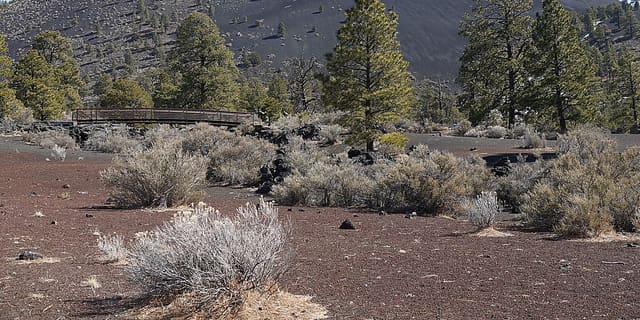 87 kmDark Sky Park
Flagstaff Area National Monuments
group of three national monuments in Coconino County, Arizona

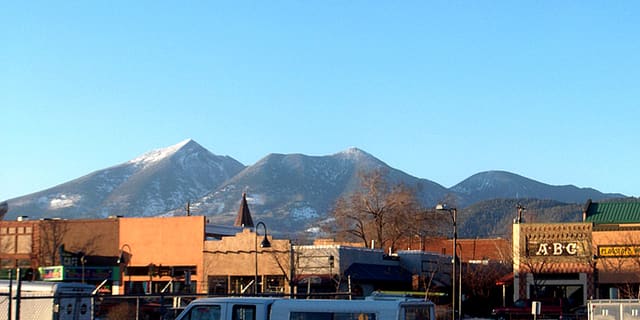 105 kmCommunity
Flagstaff
city in and county seat of Coconino County, Arizona, United States

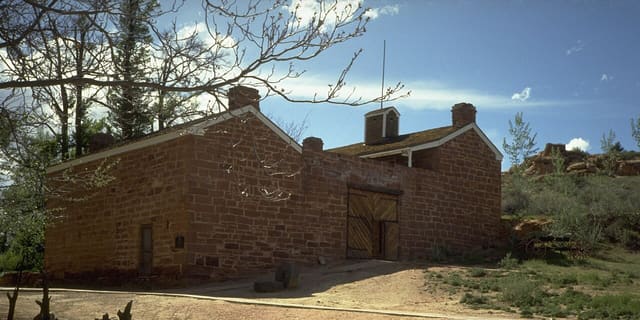 105 kmDark Sky Park
Pipe Spring National Monument
national monument in Mohave County, Arizona, United States

 108 kmCommunity