
Flagstaff

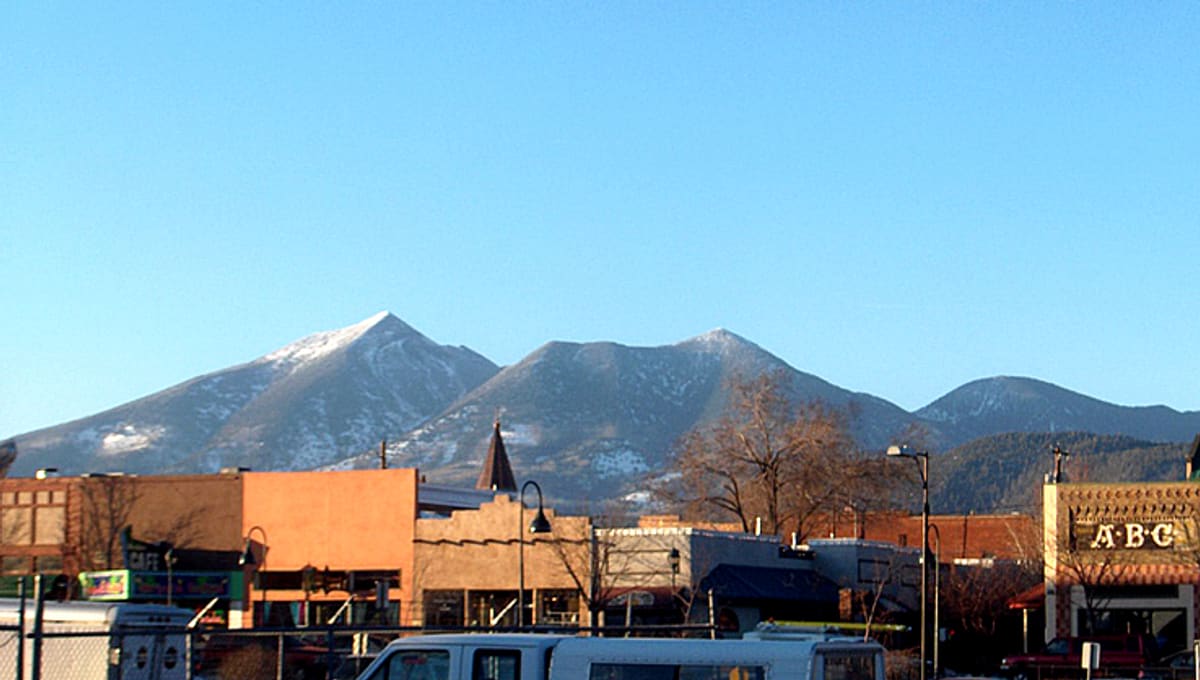
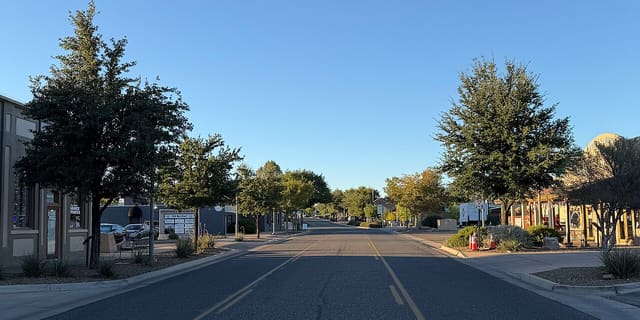
Image: Derek Cashman at en.wikipedia · CC BY-SA 3.0 · Wikimedia Commons
Flagstaff is a city of more than 77,000 people in Coconino County, Arizona, and holds a distinction no other city can claim: on 24 October 2001, it became the world's first International Dark Sky City. That title rests on decades of deliberate work; Flagstaff passed the world's first outdoor lighting ordinance back in 1958, updated it in 1989, and has kept the updated ordinance in effect ever since, six decades of intentional lighting stewardship.
Why Flagstaff is a top stargazing spot
Thanks to that sustained effort, artificial sky brightness in Flagstaff is around 90% fainter than in comparable cities without lighting controls, and light pollution here has not been increasing over time. Sky quality measurements put Flagstaff at 21.44 mag/arcsec², which corresponds to Bortle class 3, an exceptionally dark reading for a city of its size. In 2025, DarkSky International recognised the achievement further by naming Flagstaff its Dark Sky Place of the Year. The city marks 25 years as the world's first Dark Sky City in 2026.
What you can see
Remarkably for a city of its size, the Milky Way is visible over downtown Flagstaff on clear nights, a sight most urban stargazers never get to see from home. Aurora sightings, by contrast, are extraordinarily rare this far south; Flagstaff's latitude means a faint reddish glow on the horizon might appear only once a decade or so, during the most extreme solar storms, so the Milky Way and deep-sky detail are the real draw here rather than the northern lights.
Visiting Flagstaff at night
Lowell Observatory runs a year-round calendar of stargazing events, and the Flagstaff Dark Skies Coalition organises Sky Parties throughout the year at locations such as Buffalo Park. Lake Mary Road and Anderson Mesa are also popular for stargazing, offering validated dark, clear skies outside the city centre. International Dark Sky Week is celebrated locally every April 13 to 20. Check the city's Dark Sky page and Flagstaff Dark Skies Coalition for current event listings.
Best time to go
Flagstaff's high desert location gives clear skies through much of the year, with the Milky Way core best viewed roughly March to September in the hours before dawn. Its Bortle 3 skies also reward winter visits, when Orion and the bright winter constellations dominate a crisp, dry sky. Meteor watchers should plan around the Perseids in mid-August or the Geminids in mid-December. As always, aim for a night near the new Moon, and give your eyes 20 to 30 minutes to adjust to the dark before you expect the faintest detail to show.
Getting there
Flagstaff sits in Coconino County in northern Arizona, easily reached along Interstate 40 and Interstate 17. Its dark-sky viewpoints, including Lake Mary Road, Anderson Mesa and Buffalo Park, are all a short drive from the city centre.
See your named star from here
A city dark enough to show the Milky Way from downtown is a rare and fitting place to track down a star you have named through Star Register. Bring your certificate's coordinates and a stargazing app to one of Flagstaff's dark sky events or viewpoints, then browse the star catalogue or check nearby observatories, including Lowell Observatory itself.
Conditions and access vary by season. Check the official website and Google Maps before you travel, and aim for a clear night near the new Moon for the darkest sky.
Satellite imagery: Esri, Maxar, Earthstar Geographics

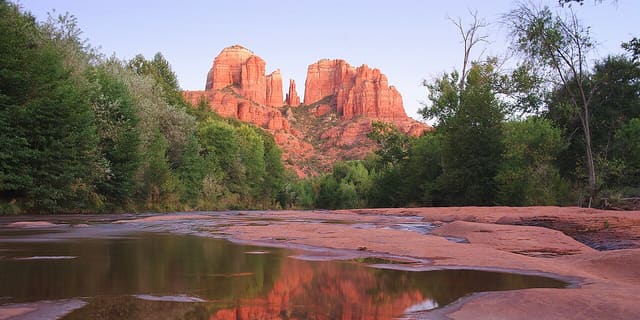 40 kmCommunity
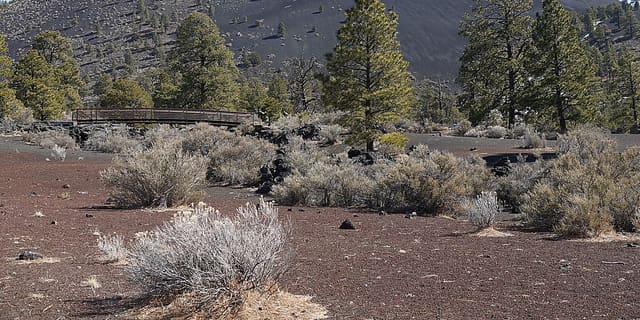 44 kmDark Sky Park
Flagstaff Area National Monuments
group of three national monuments in Coconino County, Arizona

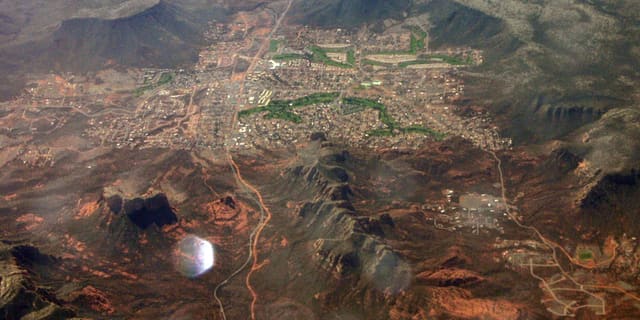 48 kmCommunity
Village of Oak Creek
census-designated place in Yavapai County, Arizona, United States

 74 kmCommunity