
Village of Oak Creek

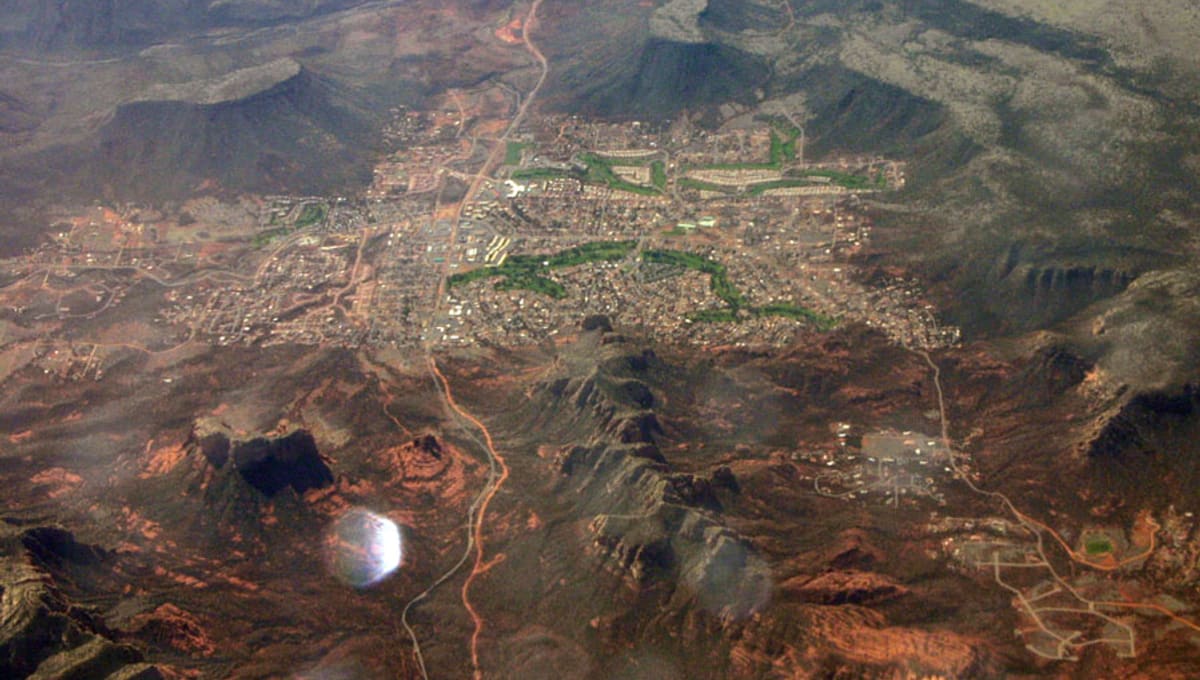
Image: Jstuby at English Wikipedia · Public domain · Wikimedia Commons
Village of Oak Creek is an unincorporated community within the Big Park area of Yavapai County, Arizona, recognised as an International Dark Sky Community. Set seven miles south of Sedona and surrounded by Coconino National Forest, it pairs a red-rock desert landscape with a serious, ongoing commitment to protecting the night sky.
Why Village of Oak Creek is a top stargazing spot
The community's dark-sky status reflects local rules on outdoor lighting, overseen by Yavapai County Planning & Development Services, with the lighting ordinance updated as recently as July 2025. That ongoing commitment, paired with the surrounding national forest land, keeps light pollution low despite the community's proximity to popular Sedona.
What you can see
With the Bell Rock scenic area adjoining the north end of town and Coconino National Forest on all sides, clear desert air and minimal artificial light give stargazers a good shot at the Milky Way on moonless nights, set against the silhouettes of Sedona's famous red-rock buttes and canyons. Guided sessions with local operators typically add close-up telescope views of planets, galaxies, nebulae and star clusters on top of naked-eye views of the Milky Way.
Visiting Village of Oak Creek at night
A local outfit, Sedona Stargazing (Evening Sky Tours), runs guided viewing almost every night from the Village of Oak Creek area, using Celestron C11 GPS auto-positioning telescopes. A typical session pairs laser-pointer constellation guidance with telescope views, and some nights offer a "Cosmic Treasure Hunt" using night vision goggles to explore the sky without relying on artificial light at all. Prices run from around $76 to $117 per person, with private tours available for up to six people; the company holds a TripAdvisor Hall of Fame award after ten consecutive years of Award of Excellence recognition, and lawn chairs and blankets are typically provided. A Forest Service visitor centre sits at the south end of the community if you want current, official guidance before heading out after dark.
Best time to go
Arizona sits well north of the equator, so the core of the Milky Way is best seen from around March to September, arcing across the southern sky after dark; winter evenings instead bring Orion and the other bright constellations of the northern hemisphere's cold-season sky. The Perseid meteor shower peaks in mid-August and the Geminids in mid-December, both good reasons for a dedicated night out, with the Quadrantids offering an early-January show as well. Whatever the season, time your visit around the new Moon for the darkest skies, allow at least twenty to thirty minutes for your eyes to adapt, and use a red light rather than a white torch to preserve your night vision.
Getting there
Village of Oak Creek sits just off State Route 179, about seven miles south of Sedona, making it an easy add-on to a Sedona trip. Phoenix Sky Harbor International Airport is the nearest major airport for visitors flying in from further afield.
See your named star from here
A protected community sky like this one shows stars that city dwellers never see. If you've named a star through Star Register, its coordinates and a stargazing app will help you pick it out from the darkness around Village of Oak Creek, whether you're stargazing on your own or on a guided tour. Browse the full star catalogue to find yours, or explore more certified observatories and dark-sky sites for your next trip.
Conditions and access vary by season. Check Google Maps before you travel, and aim for a clear night near the new Moon for the darkest sky.
Satellite imagery: Esri, Maxar, Earthstar Geographics

 9 kmCommunity
 26 kmCommunity
 48 kmCommunity
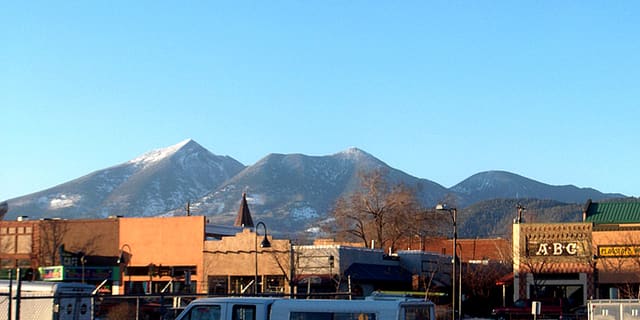
Flagstaff
city in and county seat of Coconino County, Arizona, United States

 91 kmDark Sky Park
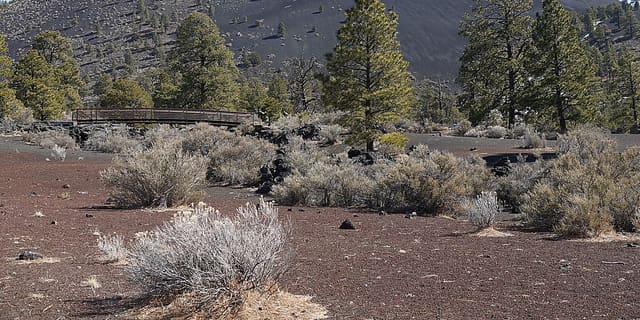
Flagstaff Area National Monuments
group of three national monuments in Coconino County, Arizona