
Sedona

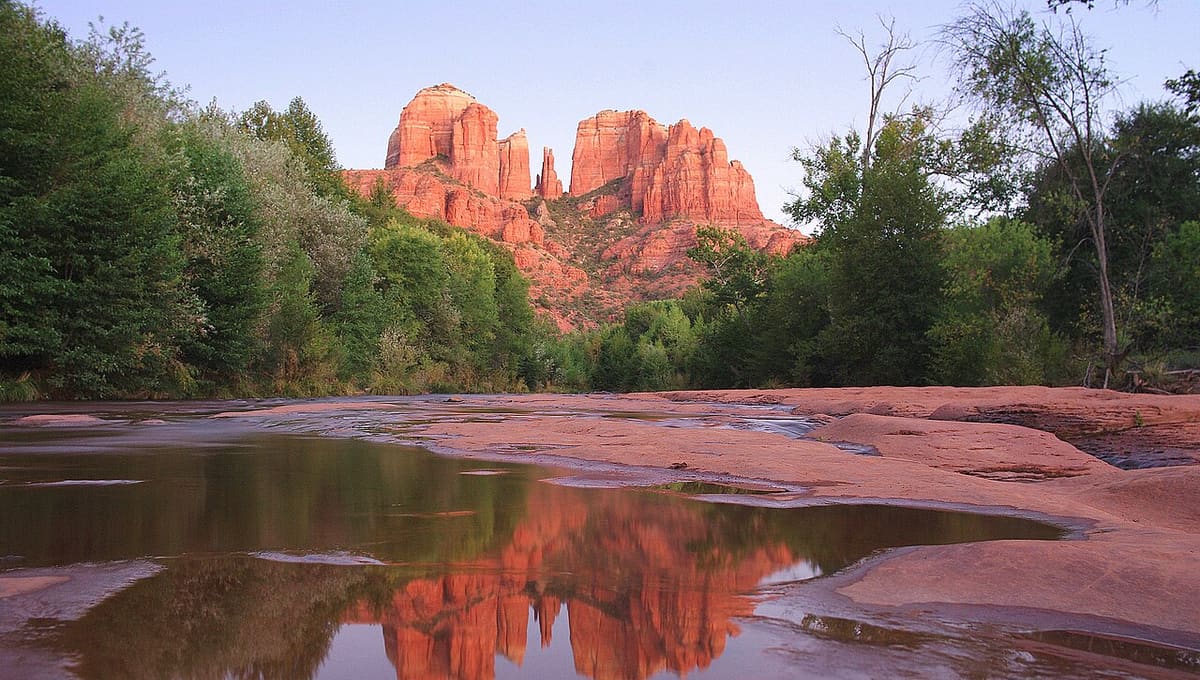
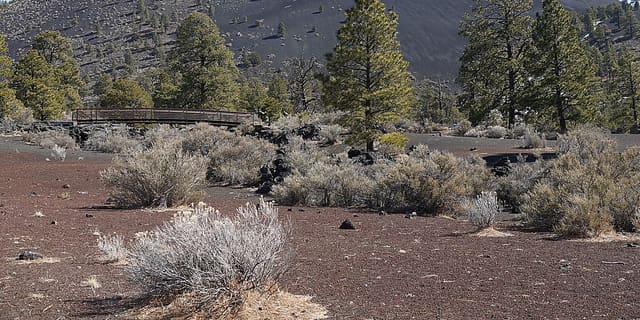
Image: Adam Baker from Houston / Moscow / Toulouse (travel a lot) · CC BY 2.0 · Wikimedia Commons
Sedona sits at around 4,500 feet in the Verde Valley of northern Arizona, ringed by the red rock formations the city is known for. In 2014 it was designated an International Dark Sky Community, recognising the low light pollution that makes its night sky as memorable as its scenery.
Why Sedona is a top stargazing spot
Sedona's altitude keeps it above much of the haze and light scatter that affects lower desert towns, and the city has adopted dark-sky friendly outdoor lighting practices, using fully shielded, downward-pointing fixtures to cut glare and light leakage. Skies here measure Bortle Class 2 to 3, and the area sees more than 300 clear nights a year, an unusually reliable run of good stargazing weather.
What you can see
On clear nights the Milky Way forms a luminous band across the sky above Sedona, and telescope users can pick out deep-sky objects beyond what's visible unaided. The red rock formations that surround the town double as natural, elevated viewpoints once the sun goes down.
Visiting Sedona at night
Popular stargazing spots around town include Cathedral Rock, Centennial Trailhead, Baldwin Trailhead and the Beaverhead Flat Scenic Overlook, each offering open sky away from town lighting. Several local operators run guided tours for visitors who would rather have expert guidance than go it alone. Evening Sky Tours, a family-owned operator running for more than 24 years and a TripAdvisor Hall of Fame company with 18 consecutive Certificates of Excellence, hosts sessions about 20 minutes west of town in the Village of Oak Creek, starting with a guided constellation tour by laser pointer before moving to views through large telescopes, kept to small groups of around six guests per telescope, with binoculars, chairs and blankets provided. Sedona UFO Tours also runs stargazing outings alongside its vortex and night-sky experiences. Details for local operators are on the Visit Sedona stargazing page.
Best time to go
At close to 35 degrees north, Sedona's Milky Way core season runs roughly March through September, best viewed low in the southern sky away from town lights, while the region's famously clear winter air makes for crisp views of Orion and the brighter stars overhead. The Perseids in August and the Geminids in December are both worth planning a trip around. With over 300 clear nights a year, Sedona gives you good odds whenever you go: aim for a night near the new Moon, let your eyes adjust for twenty to thirty minutes, and use a red light rather than white to keep your night vision intact.
Getting there
Sedona sits in the Verde Valley of northern Arizona, straddling Coconino and Yavapai counties, within the Coconino National Forest. Many of its stargazing viewpoints, including Cathedral Rock and the Beaverhead Flat Scenic Overlook, are a short drive from the town centre, while some tour operators are based just outside town in the Village of Oak Creek.
See your named star from here
Sedona's dark sky status means it's dark enough to pick out stars that fade into the glow of most cities, making it a great place to find a star you have named as a gift or personal keepsake. Bring its coordinates and a stargazing app to one of Sedona's lookout points, browse the star catalogue to name your own, and check our observatories listing for telescope-assisted viewing nearby.
Conditions and access vary by season. Check the official website and Google Maps before you travel, and aim for a clear night near the new Moon for the darkest sky.
Satellite imagery: Esri, Maxar, Earthstar Geographics

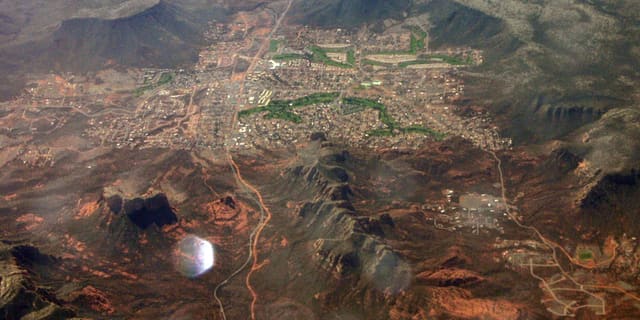 9 kmCommunity
Village of Oak Creek
census-designated place in Yavapai County, Arizona, United States

 33 kmCommunity
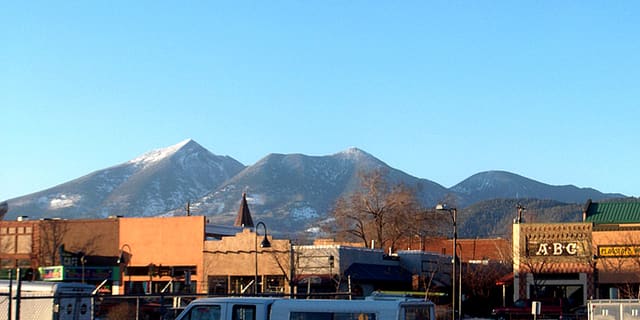 40 kmCommunity
Flagstaff
city in and county seat of Coconino County, Arizona, United States

 85 kmDark Sky Park
Flagstaff Area National Monuments
group of three national monuments in Coconino County, Arizona