
Flagstaff Area National Monuments

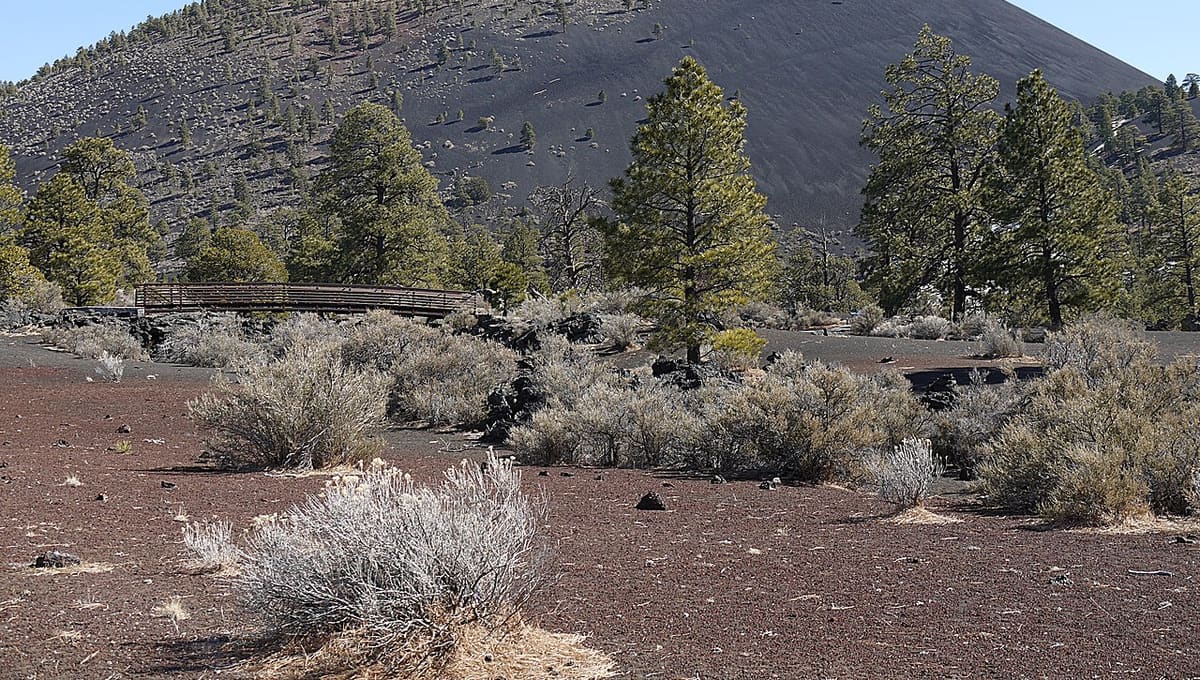
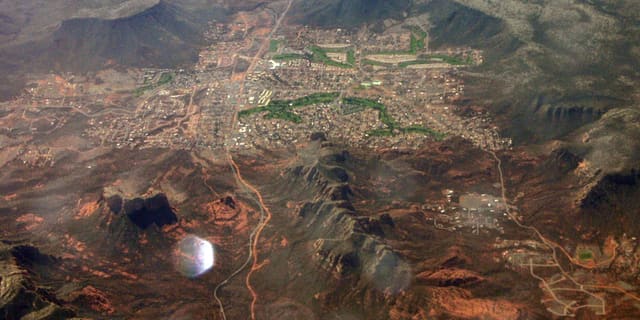
Image: Óðinn · CC BY-SA 2.5 ca · Wikimedia Commons
Flagstaff Area National Monuments is a joint designation covering three U.S. National Monuments in Coconino County, Arizona: Sunset Crater Volcano, Walnut Canyon and Wupatki. Managed together as a single property by the National Park Service, the group was designated an International Dark Sky Park in May 2016.
Why Flagstaff Area National Monuments is a top stargazing spot
Each site combines natural landmarks with archaeological history. Sunset Crater Volcano preserves the land around an eruption dated to the 11th century, Wupatki protects the ruins and material culture of ancestral Puebloan communities, and Walnut Canyon holds cliff dwellings set into its canyon walls. The wider Flagstaff area is known for maintaining exceptionally dark skies at many sites nearby, a legacy of the region's long-standing lighting stewardship. Together the three monuments form what local guides describe as a dark sky corridor that draws both astronomers and history-minded visitors.
What you can see
Wupatki's open desert vistas give unobstructed views of the sky, well suited to tracking meteor showers and picking out constellations. Sunset Crater Volcano hosts seasonal ranger-led astronomy programmes and lets visitors watch the Milky Way arc over its lava fields, a striking pairing of geology and night sky. Walnut Canyon offers a different, medium-altitude stargazing experience shaped by its canyon walls. Across all three sites, the ancestral peoples who once lived here would have observed much the same night sky that visitors see today.
Visiting Flagstaff Area National Monuments at night
Because the three monuments are separate sites jointly managed under one dark sky designation, check the National Park Service page for access details, hours and any ranger programmes before you visit any of them after dark. Sunset Crater Volcano is generally the most practical of the three for an overnight stargazing trip, as it offers camping at the Bonito Lava Flow campground close to the monument itself, making it the principal dark-sky viewing site of the group.
Best time to go
From this northern Arizona latitude, the Milky Way core is best seen roughly March through September in the pre-dawn hours, arcing over Wupatki's open desert or Sunset Crater's lava fields. Cooler months bring clear, dry air well suited to winter constellations like Orion. Meteor watchers should note the Perseids in mid-August and the Geminids in mid-December, both well suited to the monuments' open, unobstructed terrain. As always, plan around the new Moon, allow 20 to 30 minutes for your eyes to dark-adapt, and use a red light to preserve your night vision.
Getting there
All three monuments lie in Coconino County, Arizona, within a short drive of Flagstaff along US Route 89, with Sunset Crater Volcano and Wupatki connected by a single scenic loop road and Walnut Canyon a separate site closer to the city.
See your named star from here
The dark sky corridor formed by Sunset Crater, Wupatki and Walnut Canyon is a striking backdrop for finding a star you have named through Star Register. Bring your certificate's coordinates and a stargazing app to one of the monuments' open viewpoints, then explore the star catalogue or nearby observatories around Flagstaff.
Conditions and access vary by season. Check the official website and Google Maps before you travel, and aim for a clear night near the new Moon for the darkest sky.
Satellite imagery: Esri, Maxar, Earthstar Geographics

 44 kmCommunity
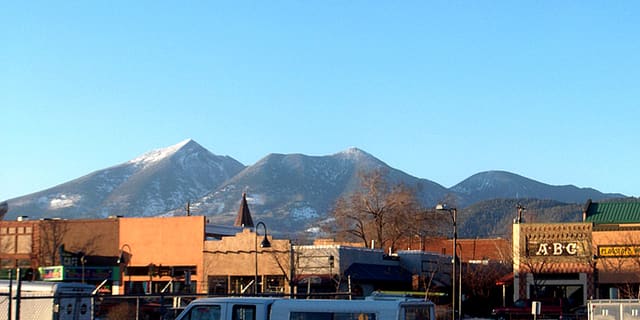
Flagstaff
city in and county seat of Coconino County, Arizona, United States

 85 kmCommunity
 87 kmDark Sky Park
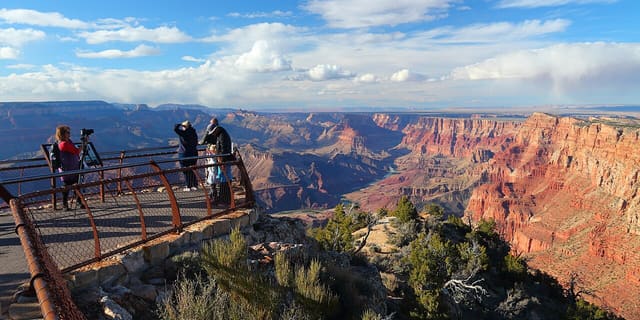
Grand Canyon National Park
national park in Coconino and Mohave counties in Arizona, United States

 91 kmCommunity
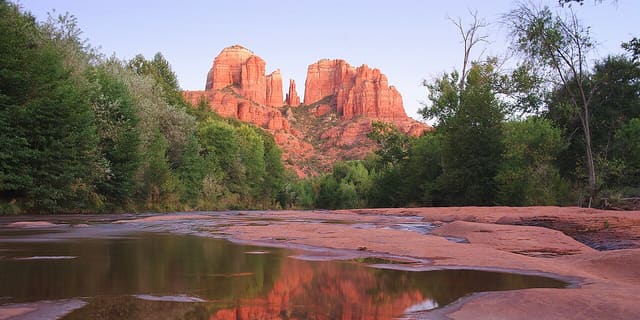
Village of Oak Creek
census-designated place in Yavapai County, Arizona, United States