
Aoraki Mackenzie International Dark Sky Reserve

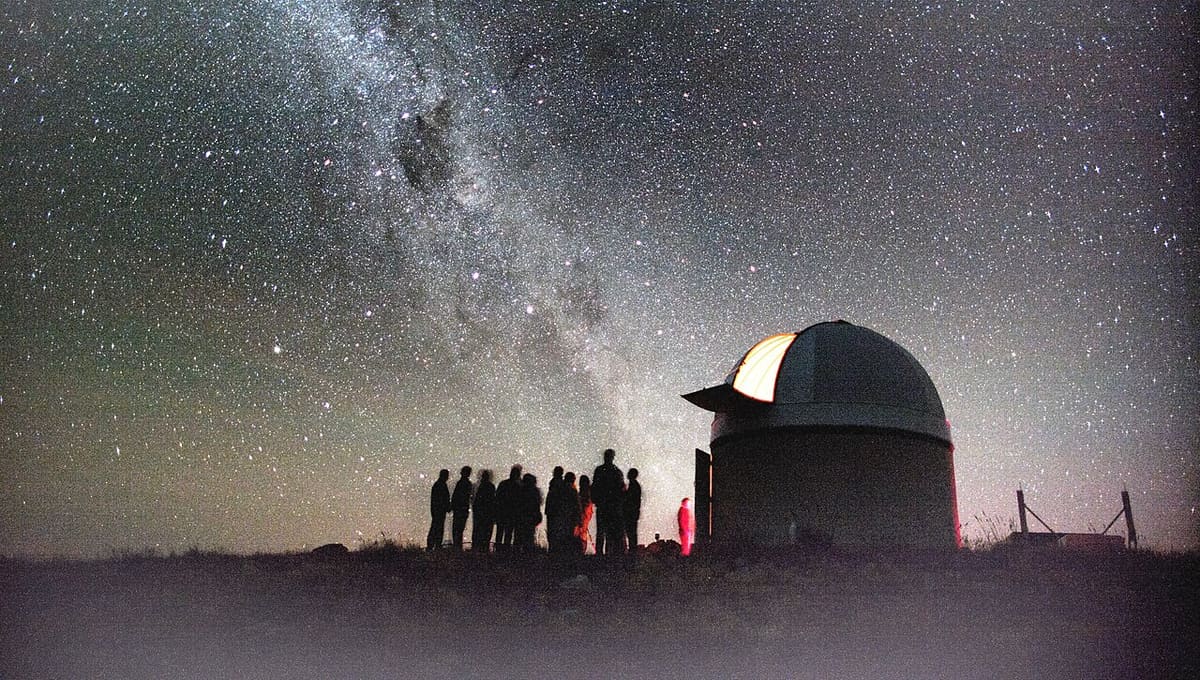
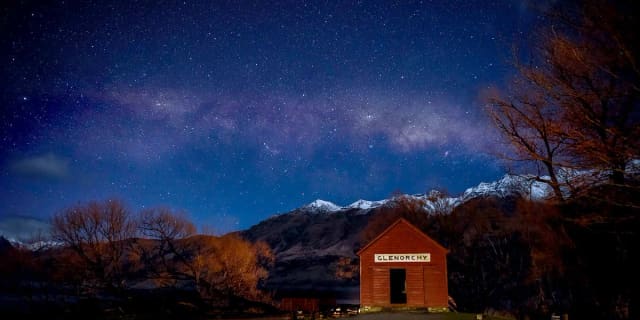
Image: Maki Yanagimachi · CC BY 4.0 · Wikimedia Commons
The Aoraki Mackenzie International Dark Sky Reserve covers 4,367 square kilometres of the Mackenzie District on New Zealand's South Island. Designated in June 2012, it was the largest dark sky reserve in the world at the time and the only reserve of its type in the Southern Hemisphere.
Why Aoraki Mackenzie is a top stargazing spot
The Mackenzie Basin is widely regarded as having the clearest, darkest night sky in New Zealand, rated Bortle 2, considered the gold standard for dark-sky sites. A lighting ordinance built into the Mackenzie District Plan has been in effect since 1981 across most of the reserve, keeping artificial light to a minimum and the sky almost entirely free of light pollution. Lake Tekapo has grown into the hub of the reserve's tourism, with a local economy built around its dark skies, anchored by the Mt John Observatory on the ridge above the lake and the small, much-photographed Church of the Good Shepherd on its shore.
What you can see
Dense star fields, planets and distant galaxies are visible in remarkable detail on a clear night. As a Southern Hemisphere reserve, it also offers views not available further north, including sights like the Magellanic Clouds that never rise above the horizon for most Northern Hemisphere observers. In winter, Orion and Sirius, the sky's brightest star, dominate the view instead of the Milky Way's core.
Visiting Aoraki Mackenzie at night
Accommodation around the reserve ranges from the unusual to the luxurious. Tekapo Springs runs a 'star grazing' experience where visitors float in heated pools while watching the sky overhead, and Lakestone Lodge, an off-grid eco-lodge near Lake Pukaki, offers guests a private telescope experience as part of their stay. Cairns Alpine Resort, built around a set of refurbished shearers' quarters near the local golf course, is another option close to the dark zones. About 45 minutes south of Tekapo, the town of Twizel offers a quieter, flatter landscape that's popular for astrophotography, generally more affordable accommodation and lower light pollution on its outskirts. Check the official reserve site for current visitor information before you travel.
Best time to go
The reserve's best viewing runs from April to October, with the galactic centre visible from February through October and brightest during the southern winter months of June and July. Winter nights bring the darkness that serious stargazers want, with up to 12 hours of darkness and crisp, dry air, though temperatures can drop to minus five degrees Celsius or lower, so warm clothing is essential. Summer trades some of that darkness for comfort, with skies not turning fully dark until after 11pm, but it's when Orion and Sirius take centre stage instead. Whatever the season, the Moon phase matters more than almost anything else: book your trip for the new Moon or the week leading up to it, allow your eyes twenty to thirty minutes to adjust to the dark, and use red light rather than white to protect your night vision.
Getting there
Lake Tekapo, the reserve's main hub, sits on State Highway 8 in the Mackenzie Basin on New Zealand's South Island, with Christchurch and Queenstown the nearest major airports for visitors flying in. A car is the easiest way to reach the reserve's various dark zones and viewpoints, and the reserve's protections have been in place for decades, giving it a long track record as one of the most reliable dark-sky destinations anywhere.
See your named star from here
Few places on Earth offer skies as consistently dark as the Mackenzie Basin, making it a superb spot to track down a star you have named through Star Register using its certificate coordinates. Browse the star catalogue ahead of your trip, bring a stargazing app, and let the reserve's near-total absence of light pollution do the rest, or see our observatories page for nearby facilities.
Conditions and access vary by season. Check the official website and Google Maps before you travel, and aim for a clear night near the new Moon for the darkest sky.
Satellite imagery: Esri, Maxar, Earthstar Geographics

 143 kmPreserve
 167 kmDark Sky Park
 170 kmPreserve
 175 kmPreserve