
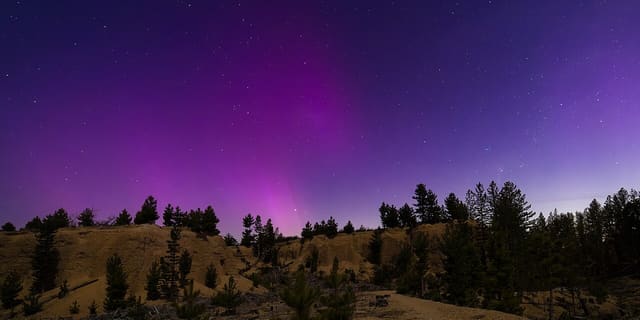
Oxford Forest Conservation Area Dark Sky Park

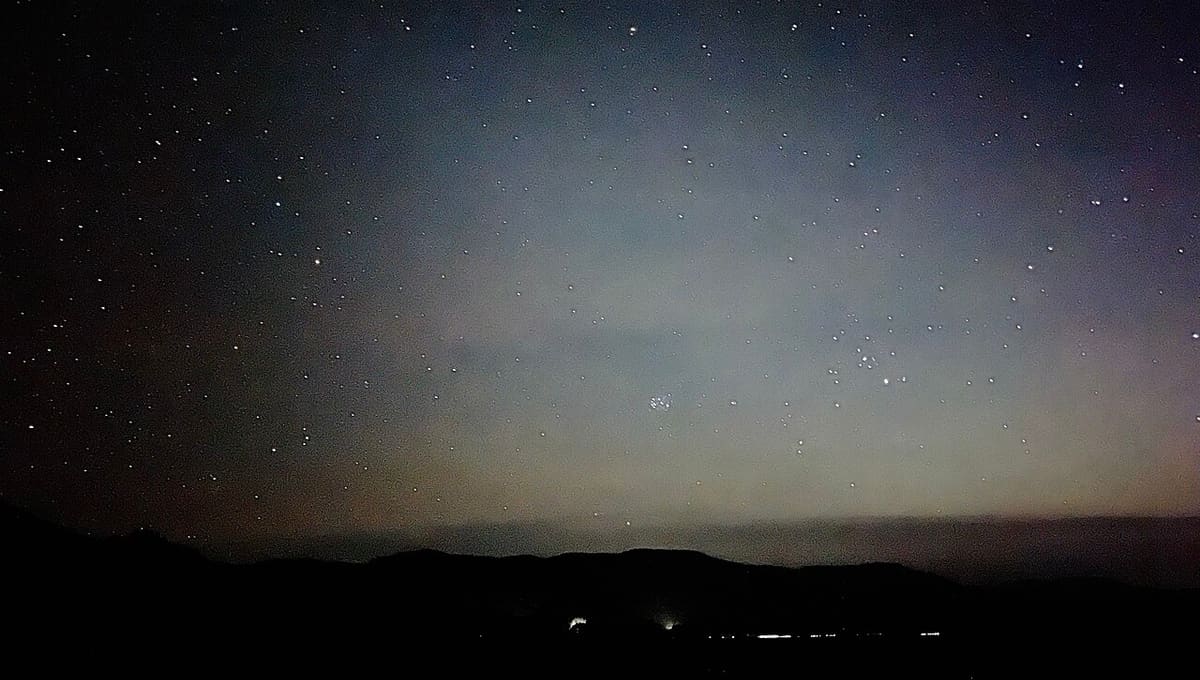
Image: Rauleliasdrago · CC BY 4.0 · Wikimedia Commons
Oxford Forest Conservation Area covers 11,350 hectares of protected forest in the foothills near Oxford, in North Canterbury on New Zealand's South Island. It was named an International Dark Sky Park in 2024, the second such designation in New Zealand.
Why Oxford Forest is a top stargazing spot
Median sky brightness readings here sit at 21.46 magnitudes per square arcsecond, a Bortle Class 3 sky, and the park's darkest corners reach 21.76 to 21.80, edging into Bortle Class 1, the very top of the scale. The park is open to the public 365 days a year, 24 hours a day, and the certification followed a push led by Oxford Dark Sky, a volunteer group backed by more than 20 organisations, starting in early 2023.
What you can see
The dark, unpolluted sky offers near-pristine views of the Milky Way from almost anywhere in the forest, and being in the Southern Hemisphere, visitors can also pick out the Large and Small Magellanic Clouds, two companion galaxies that never rise for observers further north. Winter nights bring good views of Matariki, the star cluster known elsewhere as the Pleiades, whose reappearance marks the Maori New Year.
Visiting Oxford Forest at night
Because the park is open around the clock every day of the year, there's no need to plan around opening hours, only around the weather and the Moon phase. Facilities are basic and unlit: the View Hill Domain car park and the Cooper Creek car park both have toilets, but there is no power or lighting anywhere in the park. There's no formal camping within the conservation area, though glamping options are available nearby for anyone wanting to stay overnight. Between mid-April and mid-September, the local Oxford Observatory offers telescopic views for visitors wanting a closer look. By day, the forest's beech and podocarp remnants are popular for walking and mountain biking, and Ryde Falls offers a swimming spot nearby. The park also hosts Matariki New Year events, astronomy star parties, art exhibitions, nocturnal eco-walks and school research trips through the year; check locally for the current programme.
Best time to go
In the Southern Hemisphere, the Milky Way's bright core is best placed from around February through October, and locals particularly favour cold, clear winter nights for viewing the galactic core and Matariki together. Meteor shower watchers here can look for the Eta Aquariids in May and the Geminids in December, both well placed from southern latitudes. Whichever month you visit, aim for a night near the new Moon, allow your eyes 20 to 30 minutes to adapt to the dark, and bring a red light rather than white to preserve your night vision.
Getting there
Oxford Forest Conservation Area is a short drive from Oxford town centre, and the park sits less than an hour from Christchurch, making it one of the more accessible dark-sky sites in the country for a day or evening trip.
See your named star from here
With some of the best measured sky darkness of any certified park, Oxford Forest is an ideal place to find a named star using its coordinates and a stargazing app. Explore the star catalogue to pick a star, and read our guide on how to find a star in the night sky before you head out.
Conditions and access vary by season. Check Google Maps before you travel, and aim for a clear night near the new Moon for the darkest sky.
Satellite imagery: Esri, Maxar, Earthstar Geographics

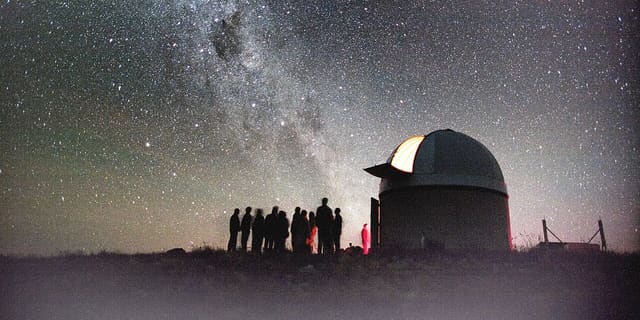 167 kmReserve
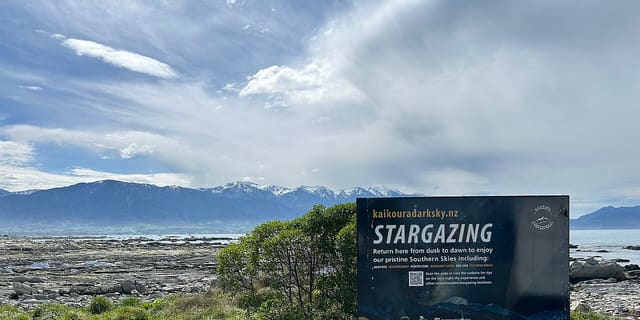 171 kmPreserve
 214 kmDark Sky Park
 252 kmPreserve