
Kaikōura Dark Sky Sanctuary

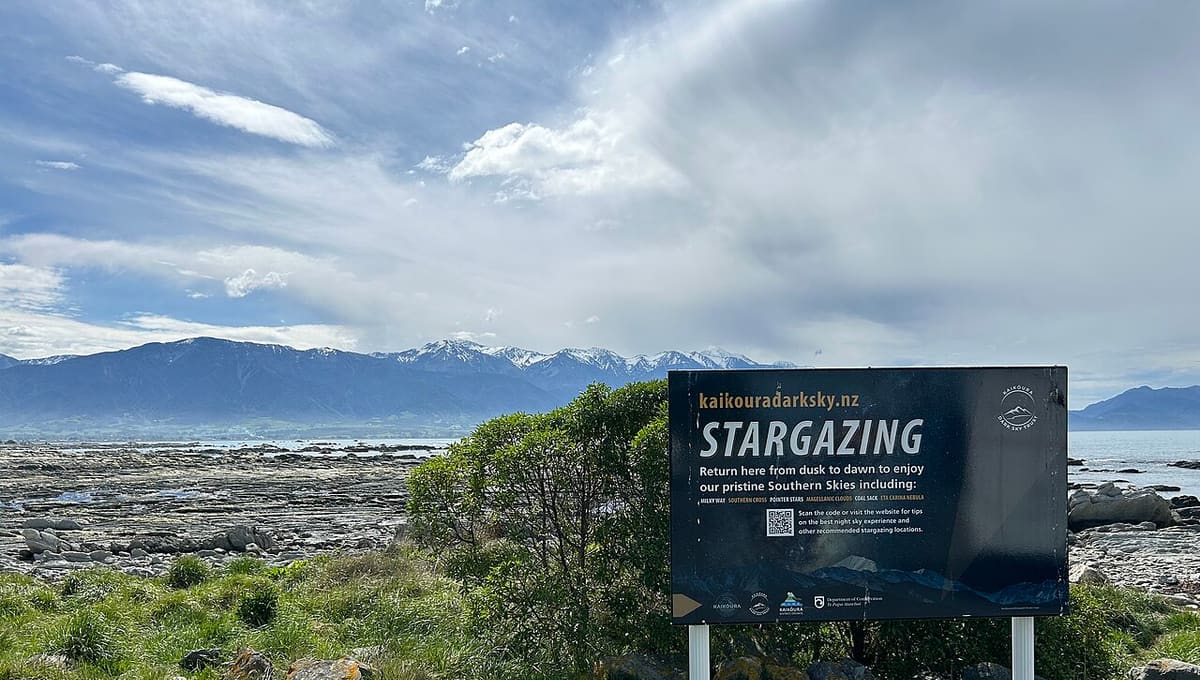
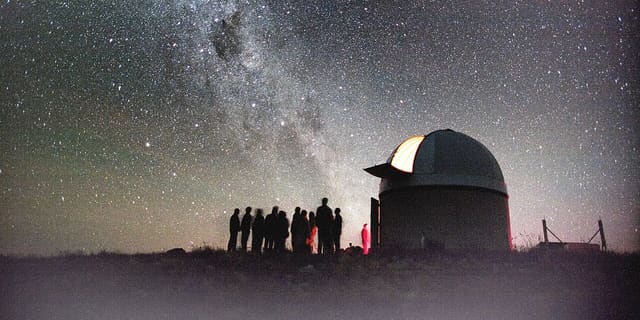
Image: Marshelec · CC BY-SA 4.0 · Wikimedia Commons
The Kaikōura Dark Sky Sanctuary covers 2,039 square kilometres of New Zealand's South Island, taking in around 98 percent of the Kaikōura District where the Seaward Kaikōura mountains rise almost straight from the Pacific Ocean. DarkSky International accredited it as an International Dark Sky Sanctuary in September 2024, making it the third such sanctuary in New Zealand.
Why Kaikōura Dark Sky Sanctuary is a top stargazing spot
Sky quality readings here have measured 21.58 magnitude per square arcsecond, placing Kaikōura among the darkest measured skies anywhere. The sanctuary is only the 22nd place in the world to earn International Dark Sky Sanctuary status, DarkSky International's highest tier of recognition, reserved for exceptionally dark and geographically remote locations. More than half of the protected area falls under Department of Conservation management.
What you can see
Visitors describe a stunningly clear view of the Milky Way stretching across the sky above Kaikōura's dramatic coastline, where mountains meet ocean. As a Southern Hemisphere site, the sanctuary also offers views of the Magellanic Clouds and the Southern Cross that simply aren't available north of the equator.
Visiting Kaikōura Dark Sky Sanctuary at night
The dark-sky movement in Kaikōura began in 2000 to help protect the nationally endangered Hutton's shearwater, a seabird that breeds only in the sub-alpine environment above the town. A visitor centre reopened in 2024 at 75 Westend in Kaikōura township, a good first stop for maps and current information. For a night under the stars, dark-sky-friendly stays include the Clifftop Cabins with ocean views and outdoor baths, the Hapuku Tree Houses perched more than 10 metres above the ground, and the Manakau PurePod glass eco-cabins about 20 kilometres inland, each with its own telescope, as well as Puhi Peaks Station roughly 25 kilometres up the coast. Commercial operators including Moana Skies, which runs private stargazing dinners and guided tours, and EcoZip, which offers ziplining under the stars, add further ways to experience the sanctuary after dark. There are plans to extend the recognition further, with Kaikōura township itself working toward a future International Dark Sky Community certification.
Best time to go
As a Southern Hemisphere site, Kaikōura's Milky Way core season runs roughly from February to October, with the galactic centre riding high overhead in the austral autumn and winter. The Southern Cross and Magellanic Clouds are visible year-round from this latitude. Meteor watchers should look for the Eta Aquariids in May and the Geminids in December, both well seen from the Southern Hemisphere. Whatever the season, check the official Kaikōura Dark Sky website for current information, aim for a clear, moonless night, and give your eyes 20 to 30 minutes to adapt to the dark before you start looking for fainter detail.
Getting there
Kaikōura sits on the South Island's east coast, about two and a half hours' drive north of Christchurch. Kaikōura township, with its reopened visitor centre on Westend, is the natural base for exploring the sanctuary, with dark-sky accommodation scattered along the coast and inland toward Manakau.
See your named star from here
With sky quality readings among the darkest on record, Kaikōura is a spectacular place to track down a star you've named through star-register.eu. Bring your certificate's coordinates and a stargazing app to locate it against this exceptionally dark Southern Hemisphere sky. Browse the full catalogue of named stars, or discover other certified dark-sky sites on our observatories page.
Conditions and access vary by season. Check the official website and Google Maps before you travel, and aim for a clear night near the new Moon for the darkest sky.
Satellite imagery: Esri, Maxar, Earthstar Geographics

 108 kmDark Sky Park
 171 kmDark Sky Park
 196 kmReserve
 334 kmReserve