
Wairarapa Dark Sky Reserve

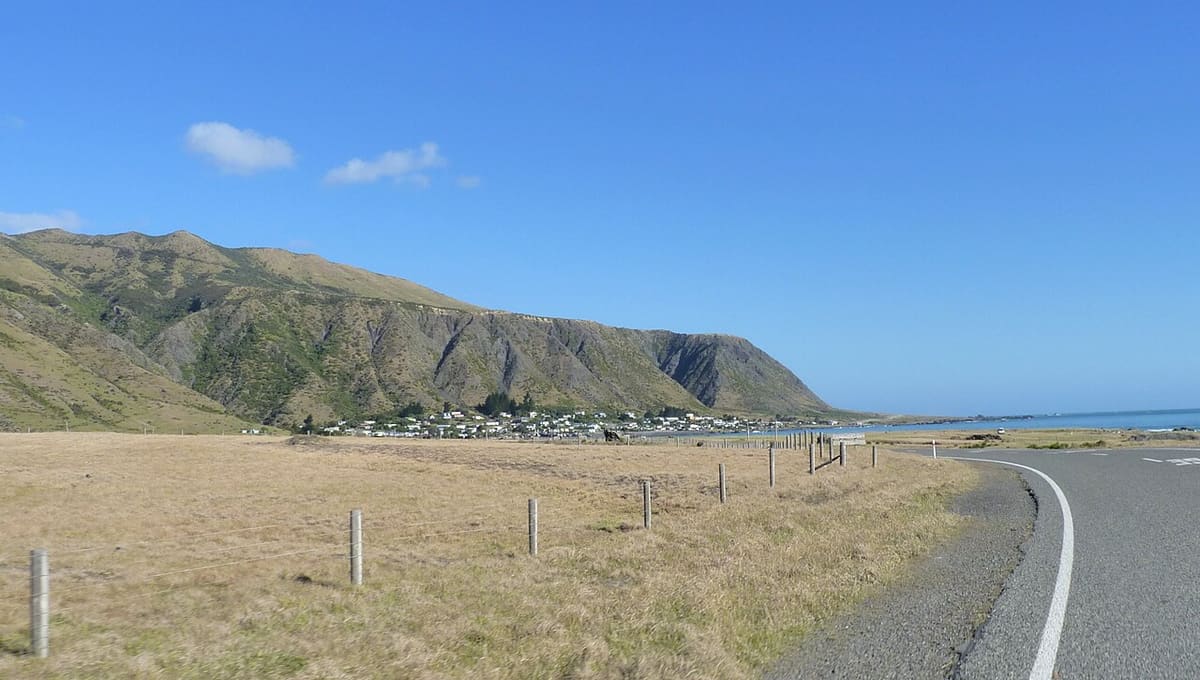
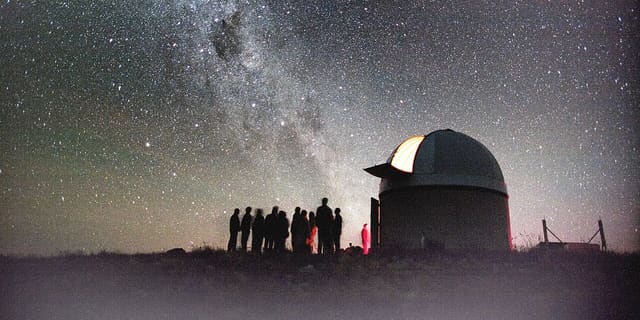
Image: Michal Klajban · CC BY-SA 4.0 · Wikimedia Commons
Wairarapa Dark Sky Reserve covers 3,665 square kilometres of the southern North Island of New Zealand, including the Aorangi Forest Park and the South Wairarapa and Carterton districts. Designated an International Dark Sky Reserve in January 2023, it became only the second such reserve certified in New Zealand, after Aoraki Mackenzie.
Why Wairarapa Dark Sky Reserve is a top stargazing spot
The reserve's dark core covers the entire Aorangi Forest Park and measures around Bortle 3, with Sky Quality Meter readings of roughly 21.7 to 21.8 mag/arcsec², making it one of New Zealand's darkest and clearest patches of night sky; the reserve reports around 70 percent clear nights across the year. That status came after five years of volunteer work by the Wairarapa Dark Sky Association, a registered charity, working alongside the South Wairarapa and Carterton district councils to protect the area's lighting.
What you can see
Being roughly an hour's drive north of Wellington, Wairarapa gives southern-hemisphere skies, a rich view of the Milky Way and the deep-sky sights unique to that half of the globe, without requiring a long journey into true wilderness. The Milky Way's core is at its brightest here around June and July, and the reserve is often described as one of the world's most accessible dark sky reserves for exactly this reason.
Visiting Wairarapa Dark Sky Reserve at night
Its proximity to Wellington makes an evening or weekend stargazing trip realistic even without extensive planning, and several operators run guided nights out. Star Safari NZ offers 90-minute sessions using 16-inch telescopes alongside virtual reality experiences, while Stonehenge Aotearoa's Star Trek Astronomy Tour pairs laser-guided constellation presentations with its "Tales from Antiquity" storytelling, drawing on Māori and wider Polynesian navigation traditions. Some private operators will even bring a full telescope setup out to holiday accommodation in the region. As with any dark-sky visit, choose a clear night near the new Moon and bring a red light rather than a white torch to keep your night vision intact.
Best time to go
The reserve's official best stargazing season runs from May to September, New Zealand's winter, when the Milky Way's core is at its brightest, particularly in June and July. Outside that window, southern-hemisphere skies still deliver strong meteor shower viewing, including the Geminids around December and the Eta Aquariids in May, both worth planning a clear, moonless night around. Whenever you visit, give your eyes twenty to thirty minutes to adapt to the darkness and stick to red light to preserve your night vision.
Getting there
Wairarapa Dark Sky Reserve sits roughly an hour's drive north-east of Wellington, taking in the Aorangi Forest Park and the South Wairarapa and Carterton districts, making it one of the more accessible dark-sky reserves anywhere for a capital-city day trip or overnight stay.
See your named star from here
A reserve this close to a capital city and this dark is a rare combination, and it is exactly the setting where a named star becomes something real to look for overhead. Bring your star's coordinates and a stargazing app, browse the star catalogue to name your own, or explore more dark-sky sites to visit.
Conditions and access vary by season. Check the official website and Google Maps before you travel, and aim for a clear night near the new Moon for the darkest sky.
Satellite imagery: Esri, Maxar, Earthstar Geographics

 196 kmPreserve
 212 kmDark Sky Park
 366 kmDark Sky Park
 528 kmReserve