
Kawarau Gibbston Dark Sky Park

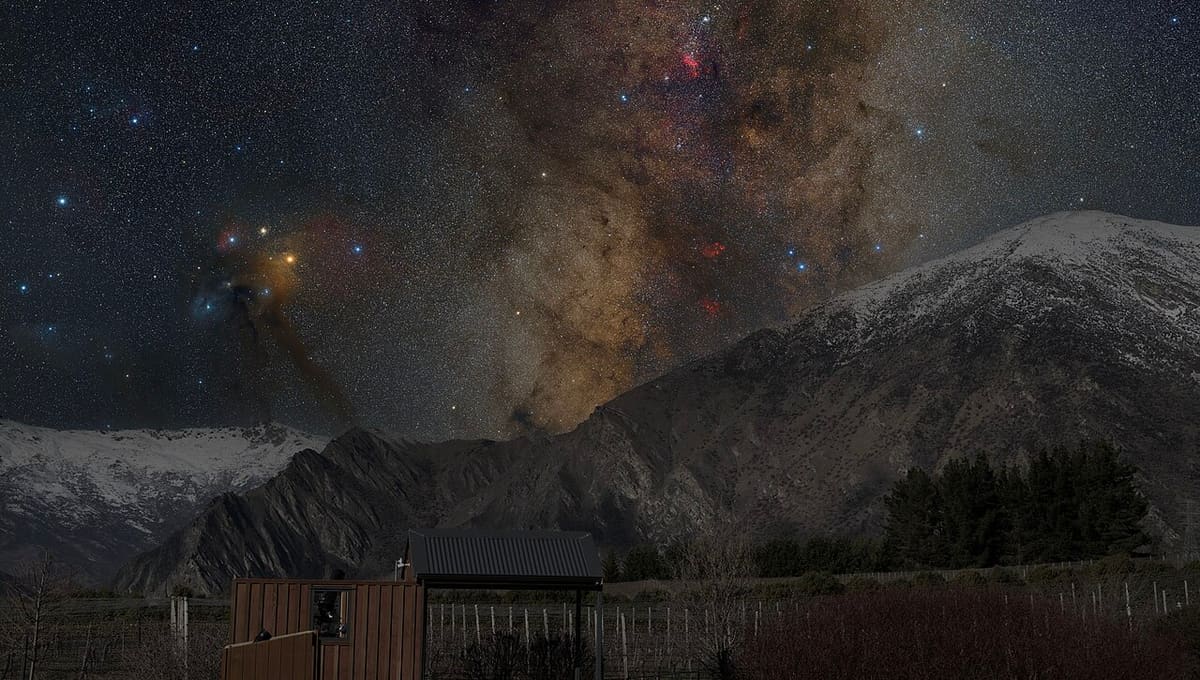
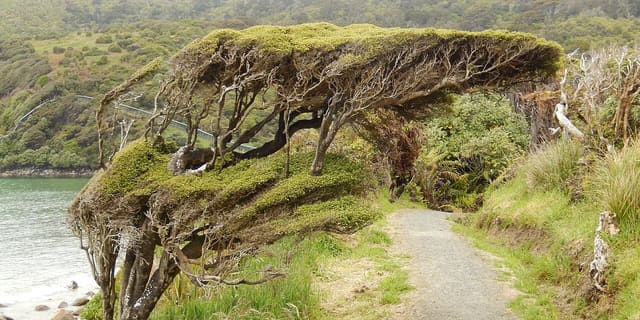
Image: BrianJBoyleNZ · CC BY-SA 4.0 · Wikimedia Commons
The Kawarau Gibbston Dark Sky Park sits in a valley along the Kawarau River between Cromwell and Queenstown, in New Zealand's Otago region, centred on the small community of Gibbston. DarkSky International certified it as an International Dark Sky Park in May 2024, the first dark sky preserve in the Otago Region and the seventh in New Zealand.
Why Kawarau Gibbston Dark Sky Park is a top stargazing spot
The valley's high surrounding mountains shield it from light pollution spilling in from nearby towns, and measured sky quality here reaches 21.75 magnitudes per square arcsecond, a Bortle class 2 reading on the threshold of the very darkest Bortle 1 skies. Local residents, through the Gibbston Community Association, put together the certification application, and lighting policies covering the Gibbston Character Zone and Gibbston Valley Resort Zone now help keep the sky dark for the long term.
What you can see
Visitors here can see the central regions of the Magellanic Clouds, a clear view of the Milky Way, and on active nights, the Aurora Australis, sights available thanks to New Zealand's Southern Hemisphere location and the valley's protected darkness. The view changes through the year: winter brings the Milky Way directly overhead, while in autumn it rises alongside a prominent Southern Cross and clearly visible Magellanic Clouds.
Visiting Kawarau Gibbston Dark Sky Park at night
Queenstown Stargazing runs small-group guided tours here with experienced astronomy guides, suited to families, couples and photographers alike. For a closer look, the Antimony vineyard hosts a small public observatory, and the Kawarau Gibbston Dark Sky Interpretive Centre, housed in the SkyBox gallery, welcomes visitors by daytime appointment. Local wineries including Kinross and Gibbston Valley Cellar Doors have also hosted astronomy events. Check the official Gibbston Dark Sky website for current visitor information and bookings before you travel.
Best time to go
Being deep in the Southern Hemisphere, Kawarau Gibbston has the Milky Way's bright core on show for most of the year, roughly February through October, sitting directly overhead in winter (June to August) and rising alongside the Southern Cross in autumn. The Geminids in December and the Eta Aquariids in May are among the more reliable meteor showers for southern viewers. Whatever the season, plan around the new Moon for the darkest skies, allow twenty to thirty minutes for your eyes to adapt, and use a red light to preserve your night vision.
Getting there
The park sits on State Highway 6 between Bungy Bridge and Nevis Bluff, in the valley between Cromwell and Queenstown, making it an easy detour for visitors already based in Queenstown or the wider Otago wine region.
See your named star from here
The mountain-sheltered darkness of Kawarau Gibbston makes it a rewarding place to search for a star you've named through star-register.eu. Bring your certificate's coordinates and a stargazing app to find it in the valley's clear sky. Browse our catalogue of named stars, or discover more certified dark-sky sites on our observatories page.
Conditions and access vary by season. Check the official website and Google Maps before you travel, and aim for a clear night near the new Moon for the darkest sky.
Satellite imagery: Esri, Maxar, Earthstar Geographics

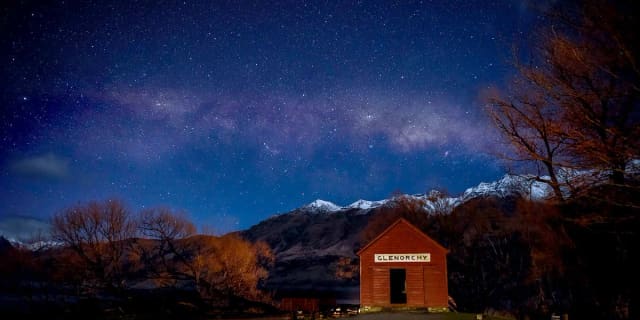 65 kmPreserve
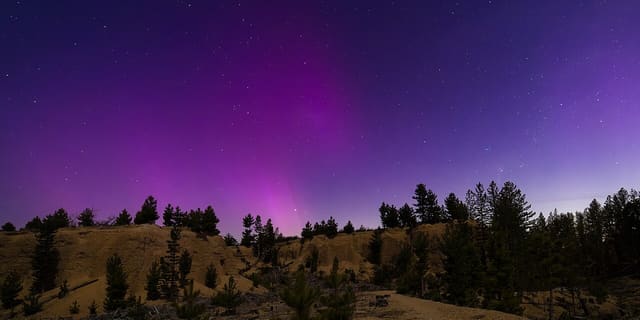 91 kmPreserve
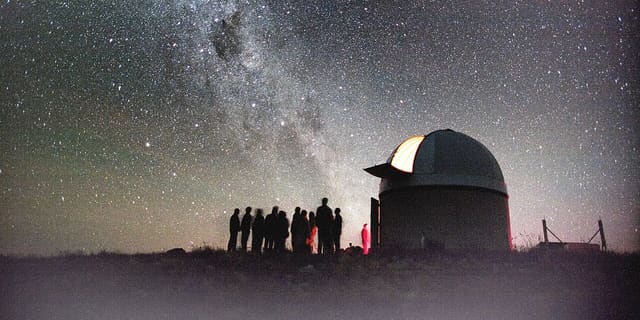 170 kmReserve
 235 kmSanctuary
Stewart Island/Rakiura International Dark Sky Sanctuary
dark sky sanctuary in New Zealand