
Stewart Island/Rakiura International Dark Sky Sanctuary

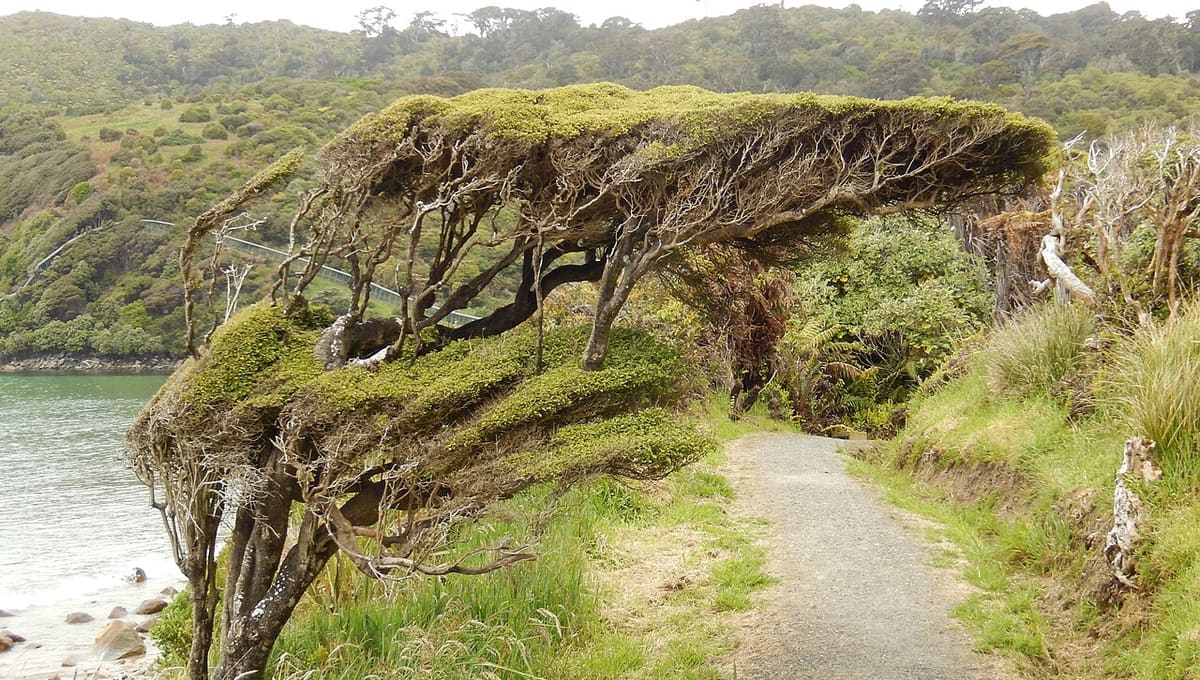
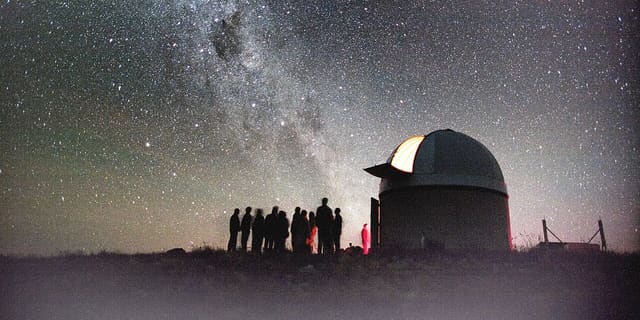
Image: AlasdairW · CC BY-SA 3.0 · Wikimedia Commons
The Stewart Island/Rakiura International Dark Sky Sanctuary is the formal designation covering New Zealand's Stewart Island, recognised in 2019 as the fifth International Dark Sky Sanctuary in the world and the second located on an island.
Why Stewart Island/Rakiura is a top stargazing spot
The sanctuary holds the title of the southernmost Dark Sky Sanctuary on Earth, a status that draws stargazers from across New Zealand and beyond. Around 85% of the island is protected as Rakiura National Park, and with only a small settlement and no significant light pollution, sky quality meter readings frequently exceed 21.75 magnitudes per square arcsecond, sometimes reaching 21.9, figures close to the theoretical maximum darkness measurable from the ground and consistent with a Bortle Class 1 sky, the darkest rating on the scale.
What you can see
From this far south, visitors have access to sky features unique to the southern hemisphere, and the island's remoteness keeps the Milky Way largely undimmed by artificial light. On a clear night, thousands of stars are visible to the naked eye here, compared with fewer than fifty from a typical city sky. Stewart Island's latitude also puts it well within range of the aurora australis, and locals and visitors regularly report the southern lights dancing above the island when solar activity is high.
Visiting Stewart Island/Rakiura at night
Most visitors base themselves in Oban, on Halfmoon Bay, the island's only settlement, where a compact village layout keeps the ferry terminal, shops, cafes, restaurants and a grocery store within easy walking distance, along with seasonal kai carts for something to eat before heading out under the stars. Accommodation ranges from backpacker hostels to boutique lodges. Check the Stewart Island dark sky sanctuary site before travelling for the latest access and seasonal details.
Best time to go
Because Stewart Island sits deep in the southern hemisphere, the Milky Way's bright galactic core is best placed roughly February to October, arching high overhead on winter evenings. The island's latitude also makes it one of New Zealand's more reliable spots to catch the aurora australis during periods of elevated solar activity, particularly around the autumn and spring equinoxes. Meteor watchers can look for the Eta Aquariids in May and the southern Delta Aquariids in July and August. Whatever the season, plan around the new Moon, allow twenty to thirty minutes for your eyes to dark-adapt, and use a red light rather than white to protect your night vision.
Getting there
Stewart Island lies across Foveaux Strait from New Zealand's South Island. The passenger ferry from Bluff takes about an hour, or fixed-wing flights from Invercargill make the crossing in fifteen to twenty minutes. Once on the island, Oban and Halfmoon Bay are the natural base for a night under the stars.
See your named star from here
A sanctuary this dark, the southernmost in the world, is a striking place to search out a star you've named through Star Register. Bring your certificate's coordinates and a stargazing app, check the star in our catalogue beforehand, or get started with our packages; explore more certified dark-sky destinations on our observatories page.
Conditions and access vary by season. Check the official website and Google Maps before you travel, and aim for a clear night near the new Moon for the darkest sky.
Satellite imagery: Esri, Maxar, Earthstar Geographics

 235 kmPreserve
 262 kmPreserve
 281 kmPreserve
 402 kmReserve