
South Downs National Park

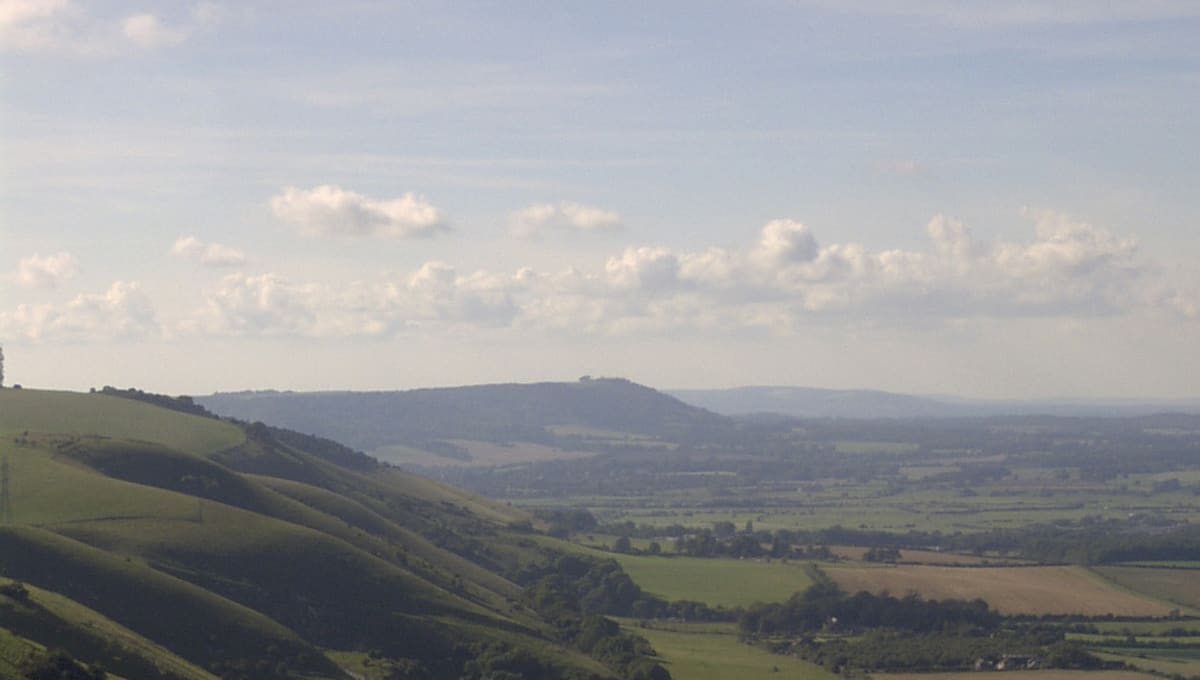
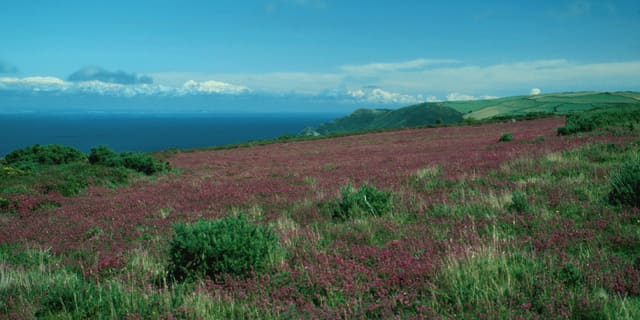
Image: The original uploader was Escowles at English Wikipedia. · CC SA 1.0 · Wikimedia Commons
South Downs National Park stretches 140 kilometres across southern England, from Winchester to Eastbourne through Hampshire, West Sussex and East Sussex. In May 2016 it was designated an International Dark Sky Reserve, one of just 16 in the world at the time and only the second in England, all the more notable given how close it sits to London and the densely populated southeast.
Why South Downs is a top stargazing spot
What makes the reserve stand out is its accessibility: an estimated 2.2 million people live within 10 kilometres of the park, making it one of the most accessible International Dark Sky Reserves anywhere. Sky quality across the park has been mapped with more than 25,000 individual measurements, and the Milky Way is visible on clear nights across 66% of the park's area, with around 70% of the total area meeting the sky quality threshold for dark sky designation. Readings taken near the reserve boundary sit around 20 to 20.5 on the Sky Quality Meter scale, with some of the darkest pockets exceeding 21, a level astronomers describe as "silver" grade darkness. In 2026 the reserve marks its tenth anniversary of dark sky status.
What you can see
Across most of the park's protected area, clear nights reveal the Milky Way to the naked eye, along with a night sky noticeably richer in stars than anywhere in nearby towns. Bignor Hill is rated the darkest location within the reserve, making it the pick for the deepest views.
Visiting South Downs at night
Popular stargazing spots include Devils Dyke near Brighton, Butser Hill near Petersfield, and Bignor Hill for the darkest conditions in the park. The park's tenth-anniversary Dark Skies Festival runs from 12 to 22 February 2026, with events spread across Seven Sisters Country Park, Queen Elizabeth Country Park, Amberley Museum, Alice Holt Forest and Brighton seafront, including a new family-friendly Dark Skies Explorer Trail telling the story of the Great Bear constellation and an "Embrace the Darkness" podcast on nocturnal wildlife. Short films covering ten Dark Sky Discovery sites are also available to watch before you visit. In-person events can be cancelled at short notice in poor weather, so check the Dark Skies Hub for the current schedule.
Best time to go
From this latitude in southern England, the Milky Way's core is best seen from around March to September, low in the south on clear summer nights, while winter delivers Orion, Taurus and the other bright constellations of the cold months. The Perseid meteor shower peaks in mid-August and the Geminids in mid-December are both worth planning around, alongside the Quadrantids in early January. As with any dark-sky trip, choose a night near the new Moon, give your eyes 20 to 30 minutes to adapt fully to the dark, and use a red light rather than white to keep that adaptation intact.
Getting there
The park runs the full 140 kilometres between Winchester in the west and Eastbourne in the east, crossing Hampshire, West Sussex and East Sussex, with the darkest areas around Bignor Hill roughly midway along that stretch. Its proximity to London and the southeast's rail and road network is exactly what makes it one of the most reachable dark sky reserves anywhere, though light domes from surrounding towns mean it pays to head for one of the recognised viewpoints rather than the park edge.
See your named star from here
With two-thirds of the park showing the Milky Way on a clear night, South Downs is a genuinely good place to track down a star you've named through Star Register, even this close to London. Bring its coordinates and a stargazing app to Bignor Hill or Devils Dyke, browse the star catalogue to name one yourself, and see our observatories listing for guided telescope viewing in the area. For tips on locating a star once you're under a dark sky, see our guide on how to find a star in the night sky.
Conditions and access vary by season. Check the official website and Google Maps before you travel, and aim for a clear night near the new Moon for the darkest sky.
Satellite imagery: Esri, Maxar, Earthstar Geographics

 118 kmReserve
 217 kmCommunity
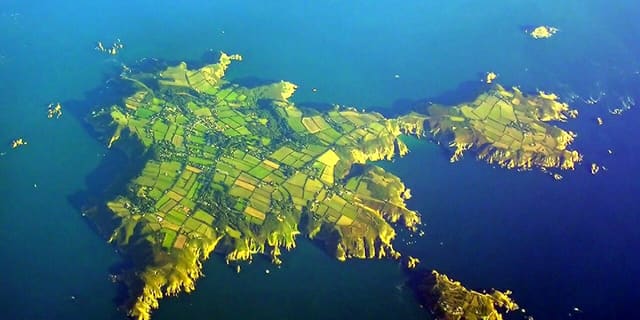
Sark
one of the Channel Islands. Part of the Bailiwick of Guernsey, which is one of the British Crown Dependencies

 237 kmReserve
 238 kmReserve