
Exmoor National Park

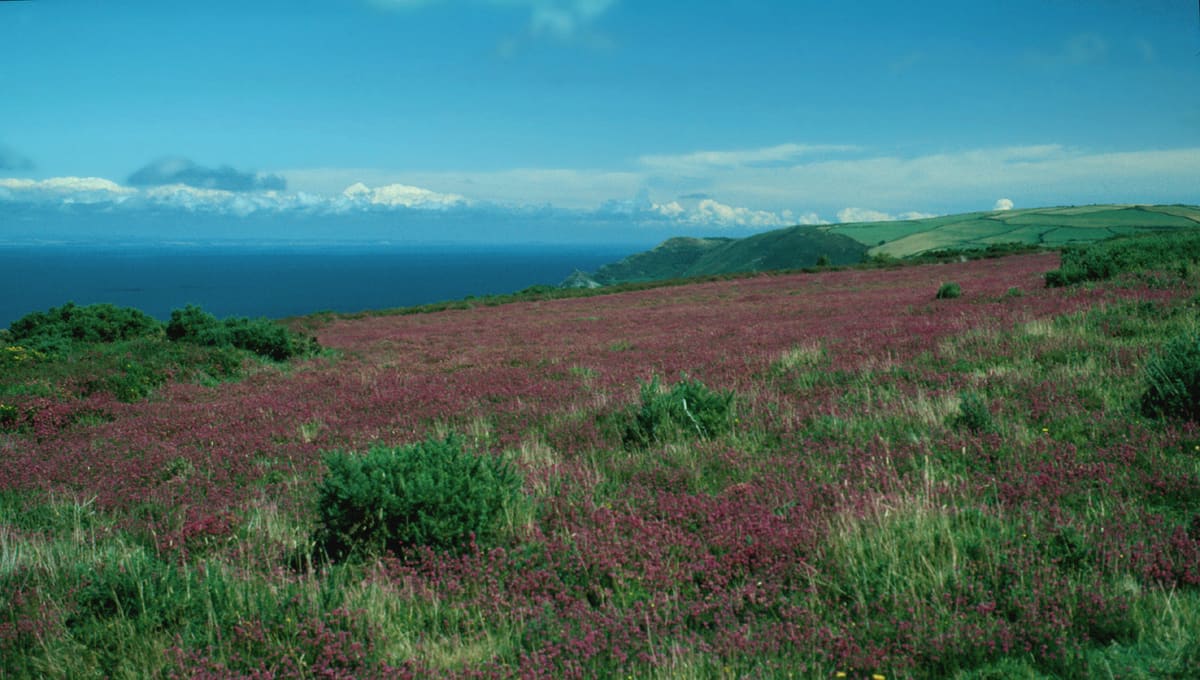
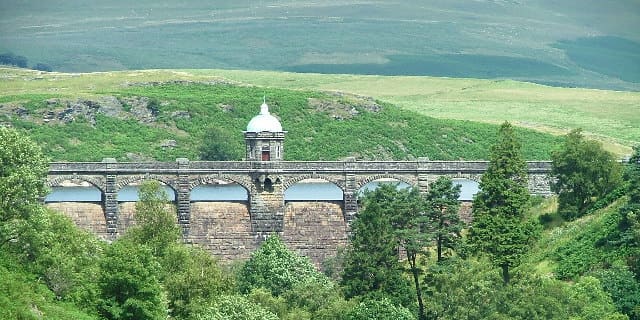
Image: Manfred Heyde · CC BY-SA 3.0 · Wikimedia Commons
Exmoor National Park spans 692.8 square kilometres of moorland across west Somerset and north Devon in South West England. In 2011 it became the very first International Dark Sky Reserve in Europe, a distinction that has made it one of the country's best-known stargazing destinations.
Why Exmoor National Park is a top stargazing spot
Exmoor's open moorland and low population density have earned it a reputation as one of the darkest places in the UK. Sky quality readings average 21.63 mag/arcsec² with a naked-eye limiting magnitude of 6.4, equivalent to Bortle class 4, and half of all readings fall between 21.0 and 21.74 mag/arcsec². A roughly 30-square-mile core zone within the park is identified as exceptionally dark even by Exmoor's own standards. On the darkest nights of the month, up to 3,000 stars can be seen with the naked eye, a dramatic contrast to the handful visible from most British towns.
What you can see
Clear nights on Exmoor reveal the Milky Way alongside thousands of individual stars. The best viewpoints include Brendon Common, Wimbleball Lake, County Gate Car Park, Bossington Hill, Dunkery Beacon, Webber's Post and Winsford Hill, each offering wide, unobstructed horizons away from artificial light.
Visiting Exmoor National Park at night
The Exmoor Dark Sky Discovery Trail, opened in October 2021, is a moorland route leading to old farmstead ruins with low horizons ideal for stargazing. Telescopes can be hired from three National Park Centres, at Dulverton, Dunster and Lynmouth, and the Dark Sky Discovery Hub in Exford runs planetarium sessions and guided public stargazing. A network of Dark Sky Friendly accredited accommodation and activity providers across the park can offer local stargazing advice and equipment. The park holds an annual Dark Skies Festival running two to three weeks in October, with family events staged across the moor. Nearest towns for a base include Minehead at the moor's edge, plus Dulverton, Porlock and Dunster. Check the official Exmoor dark skies page for festival dates and viewpoint access.
Best time to go
As a northern-hemisphere site, Exmoor's Milky Way core season runs roughly March to September, best seen low in the south in the small hours. Winter brings long, clear nights well suited to Orion and the other bright winter constellations, and pairs naturally with the October Dark Skies Festival. Meteor watchers should mark the Perseids in mid-August and the Geminids in mid-December. Whatever the season, choose a night near the new Moon, let your eyes adjust to the dark for 20 to 30 minutes, and carry a red light rather than white.
Getting there
Exmoor National Park straddles west Somerset and north Devon in South West England. Minehead sits at the moor's edge, with Dulverton, Porlock and Dunster all useful bases within or on the fringe of the park for reaching its stargazing viewpoints.
See your named star from here
With up to 3,000 stars visible on its darkest nights, Exmoor is an ideal place to find a star you have named with Star Register. Take your certificate's coordinates and a stargazing app to one of Exmoor's recommended viewpoints, then explore the star catalogue or check nearby observatories for extra help.
Conditions and access vary by season. Check the official website and Google Maps before you travel, and aim for a clear night near the new Moon for the darkest sky.
Satellite imagery: Esri, Maxar, Earthstar Geographics

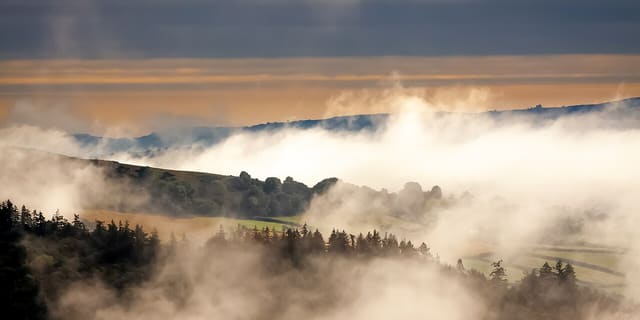 83 kmReserve
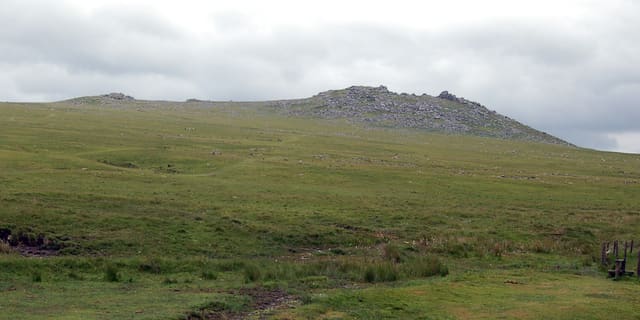 90 kmDark Sky Park
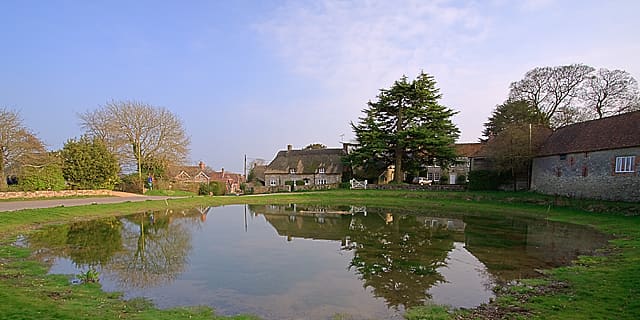 121 kmReserve
 122 kmDark Sky Park