
Bannau Brycheiniog National Park

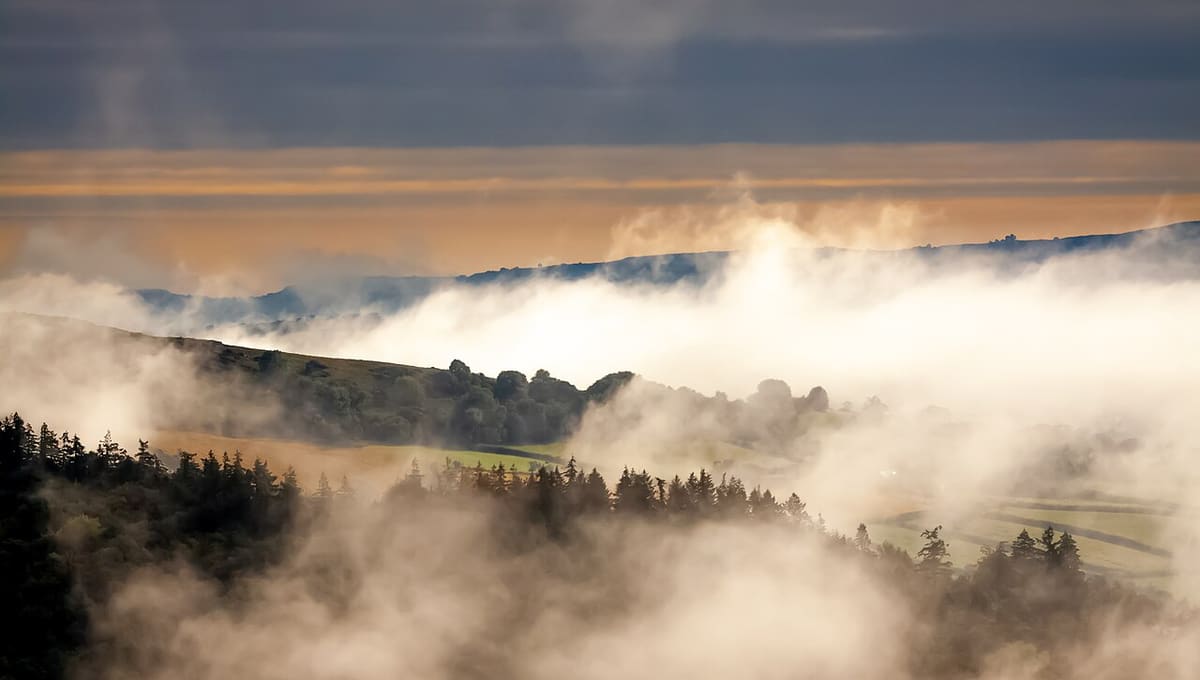
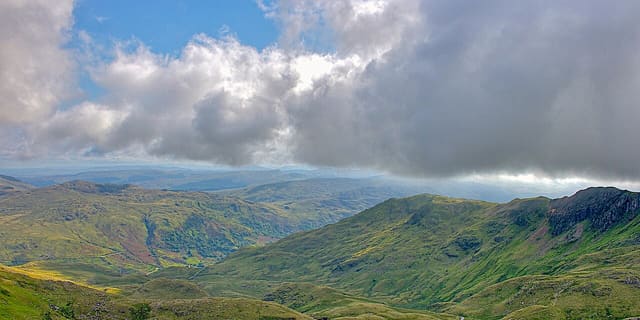
Image: Keith Lawson 11 · CC BY-SA 4.0 · Wikimedia Commons
Bannau Brycheiniog National Park, known in English as the Brecon Beacons and named after the mountain range at its centre, sits in South Wales and includes Pen y Fan, the highest peak in South Wales at 886 metres. It was designated an International Dark Sky Reserve in 2012, the fifth reserve in the world at the time and the first in Wales.
Why Bannau Brycheiniog is a top stargazing spot
Surveys have confirmed a Bortle 2 rating in parts of the reserve, a genuinely rare finding for the UK given how much of Britain sits under light-polluted skies. Its reserve status protects a wide swathe of mountainous, sparsely populated terrain, giving stargazers room to spread out and find a clear horizon. On especially active nights, the aurora borealis has been spotted from the reserve's northern edges too, a bonus most English and Welsh dark-sky sites can only occasionally offer.
What you can see
On a clear night, visitors can see the Milky Way, the major constellations, bright nebulae and meteor showers. Popular viewing locations within the reserve include Pontsticill Reservoir near Merthyr Tydfil, popular with telescope users and with parking along its banks, the National Park Visitor Centre off the A470 near Libanus village, and Llangorse Lake, which offers ample parking and superb views of both the Milky Way and deep-sky objects. Usk Reservoir, Hay Bluff and Sugar Loaf Mountain are worthwhile alternatives if those spots are busy, and Monmouthshire, within the wider park area, has its own designated Dark Sky Discovery Sites for a quieter evening.
Visiting Bannau Brycheiniog at night
Dark Sky Wales runs stargazing sessions, astrophotography outings and astronomy workshops within the reserve, and the park hosts an annual Dark Sky Festival. Check the official Bannau Brycheiniog site for festival dates and event bookings before you travel.
Best time to go
The Milky Way's core is best seen here between March and September, low in the southern sky after dark, while the darker winter months bring crisp views of Orion and the other bright winter constellations instead. The Perseid meteor shower in August and the Geminids in December are the two most reliable showers to plan around, with the Quadrantids in early January a colder but often overlooked bonus. Whatever the season, plan around the new Moon for the darkest skies, allow your eyes 20 to 30 minutes to adapt once you arrive, and use a red light rather than white to keep that adaptation intact, and keep half an eye on the northern horizon on nights of strong geomagnetic activity in case the aurora makes an appearance.
Getting there
The reserve spans South Wales, roughly between Abergavenny in the east and Llandeilo in the west, with Brecon and Merthyr Tydfil the main towns for access via the A40 and A470. Cardiff and Bristol are the nearest cities with major air and rail links, both under two hours' drive from the park's eastern edge.
See your named star from here
With some of the UK's darkest skies on offer, Bannau Brycheiniog is a great place to find a star you have named through Star Register using its certificate coordinates. Browse the star catalogue before you set out, bring a stargazing app, and try Pontsticill Reservoir or Llangorse Lake for an open view of the sky, or check our observatories page for more nearby options.
Conditions and access vary by season. Check the official website and Google Maps before you travel, and aim for a clear night near the new Moon for the darkest sky.
Satellite imagery: Esri, Maxar, Earthstar Geographics

 44 kmDark Sky Park
 54 kmPreserve
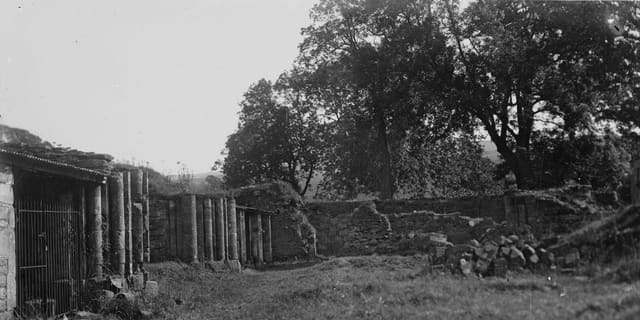
Coed y Bont
community woodland near the village of Pontrhydfendigaid, Ceredigion, Wales

 83 kmReserve
 122 kmReserve