
Eryri National Park

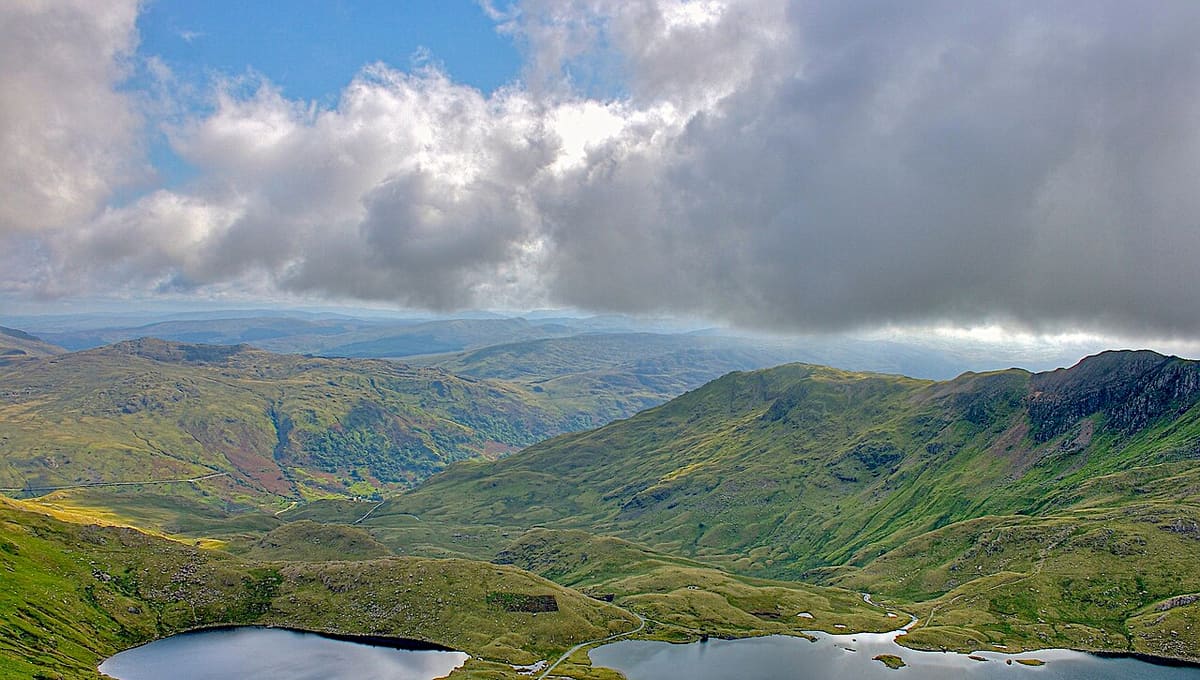
Image: Photograph by Mike Peel (www.mikepeel.net). · CC BY-SA 4.0 · Wikimedia Commons
Eryri National Park, known in English as Snowdonia, is a mountainous region in North Wales that contains every one of the country's fifteen peaks over 3,000 feet, including Snowdon itself at 1,085 metres. In 2015 it was granted International Dark Sky Reserve status, becoming the largest Dark Sky Reserve in the United Kingdom.
Why Eryri National Park is a top stargazing spot
Eryri is one of only 18 International Dark Sky Reserves in the world, covering roughly 10% of Wales' total land area. Its rugged, largely uninhabited terrain has led the International Dark Sky Association to rate it among the darkest places remaining in southern Britain, and local group Prosiect Nos (the Night Project) leads community activities and guided walks to help visitors make the most of it.
What you can see
On a clear night, up to 2,000 stars can be seen with the naked eye across Eryri, along with the Milky Way, all the major constellations, nebulae, and shooting stars. That darkness is not just good for stargazers: an estimated 60% of the park's plants and wildlife depend on genuine night-time darkness to thrive.
Visiting Eryri National Park at night
Several spots within the park are set up specifically for stargazing. Llyn y Dywarchen has its own car park, Llyn Geirionnydd in Gwydir Forest offers parking, toilets and picnic benches, and the Bwlch y Groes mountain pass gives wide, elevated views of the sky. Around 70% of the park's campsites, 109 of the 155 registered sites, are campervan-friendly, making an overnight stay straightforward for visitors travelling with their own vehicle. Every February, Dark Skies Wales Week brings a programme of organised stargazing events across the park; check the official Eryri National Park site nearer the time for the current schedule. As always, plan your visit around the new Moon, give your eyes at least twenty minutes to adapt to the dark, and use a red light to protect your night vision.
Best time to go
From this northern latitude, the Milky Way's core is best seen from around March through September, low in the south during the darker hours of summer nights, while the bright winter constellations, Orion chief among them, dominate the sky from November through February. Meteor shower watchers should mark the Perseids in August, the Geminids in December and the Quadrantids in January, all well placed from Eryri's dark, open sites. Whatever the season, choose a night near the new Moon for the best results.
Getting there
Eryri spans a large area of North Wales, with Dolgellau and Betws-y-Coed serving as the main towns for supplies and amenities on either side of the park. Both make useful bases for planning a night out among the peaks.
See your named star from here
With up to 2,000 stars visible on a clear night, Eryri is an excellent place to track down a star you have named with Star Register. Bring your certificate's coordinates and a stargazing app, then browse the star catalogue or check nearby observatories to plan your visit.
Conditions and access vary by season. Check the official website and Google Maps before you travel, and aim for a clear night near the new Moon for the darkest sky.
Satellite imagery: Esri, Maxar, Earthstar Geographics

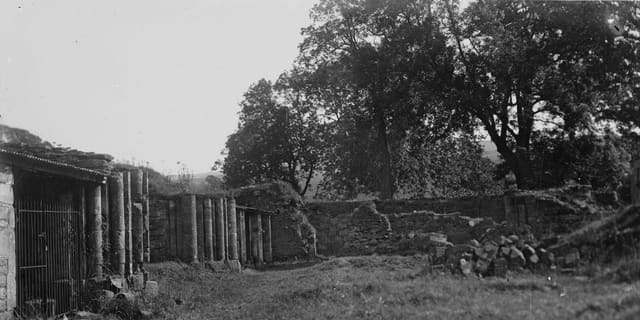 73 kmPreserve
Coed y Bont
community woodland near the village of Pontrhydfendigaid, Ceredigion, Wales

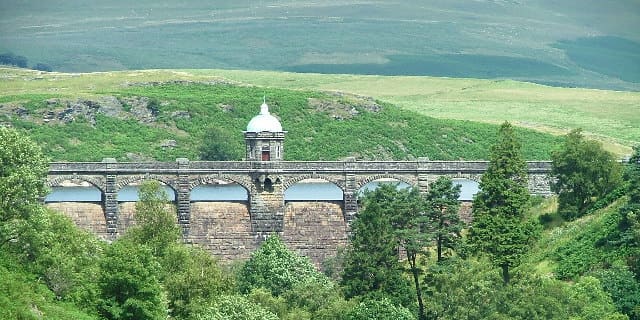 78 kmDark Sky Park
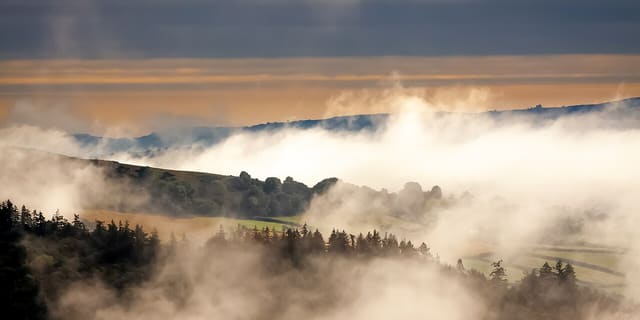 122 kmReserve
 192 kmReserve