
Coed y Bont

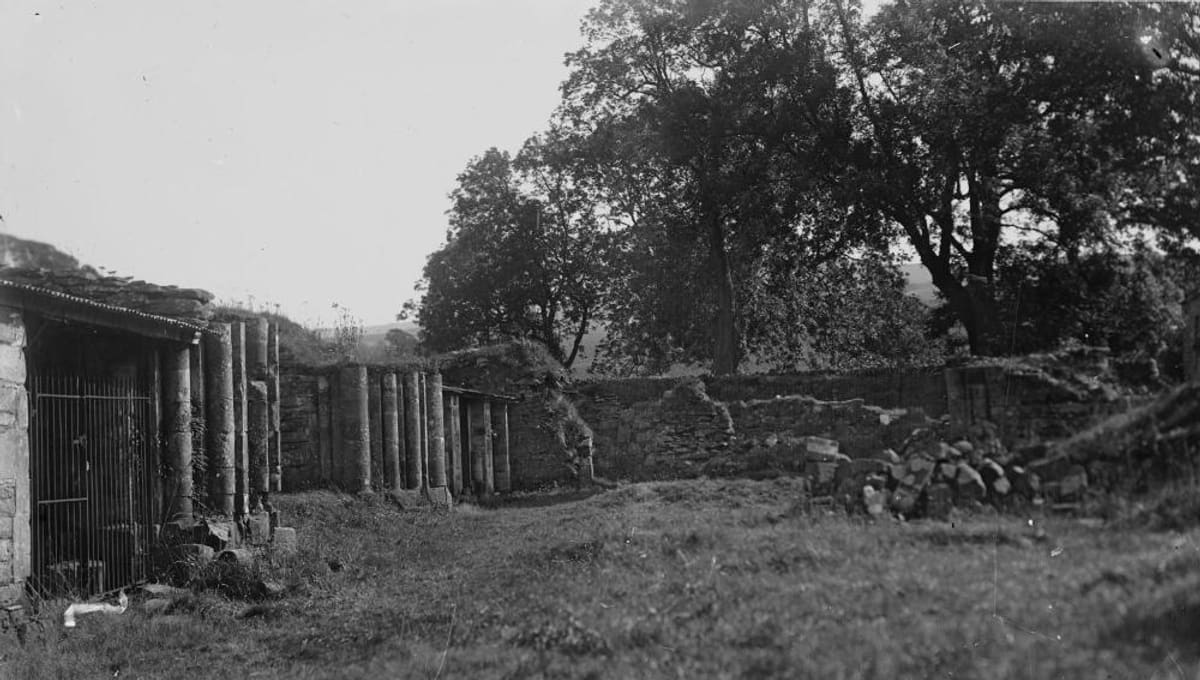
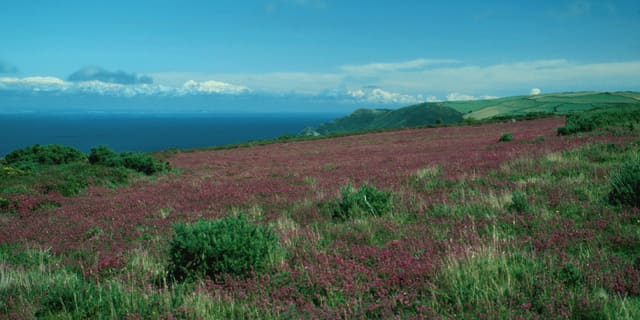
Image: Percy Benzie Abery · CC0 · Wikimedia Commons
Coed y Bont is a community woodland near the village of Pontrhydfendigaid in Ceredigion, Wales, designated a Dark Sky Discovery Site in October 2019 in the foothills of the Cambrian Mountains. It sits within a wider Mid Wales region confirmed to have Bortle Class 2 skies, among the darker ratings found anywhere in the UK.
Why Coed y Bont is a top stargazing spot
Coed y Bont's Dark Sky Discovery Site status recognises skies dark enough for genuinely useful naked-eye and telescope viewing, away from the light pollution of larger towns. A specific sky quality reading for the site itself has not been published, but the surrounding Mid Wales area has been confirmed at Bortle Class 2. The site comprises two adjoining woods, the flat, lower-level native broadleaf Coed Dolgoed and the ancient hillside woodland Coed Cnwch, giving stargazers a choice of open and sheltered viewing spots close to Strata Florida Abbey. It also forms part of a broader cluster of dark-sky locations across Mid Wales, alongside Pont ar Elan, Dolgoch Hostel, Tyn Cornel Hostel and the Star Inn, making the region one of the more concentrated dark-sky areas in Britain.
What you can see
From this rural corner of mid Wales, dark, unobstructed skies make the Milky Way visible on clear nights, along with the usual seasonal highlights of the northern sky. The surrounding woodland, home to willow, downy birch, rowan, hazel, aspen and oak, also shelters nocturnal wildlife including pine martens, adding another reason to visit after dark.
Visiting Coed y Bont at night
Two purpose-built nature trails run through the lower woodland, and free parking is available on site, though overnight parking is not permitted, so plan your visit as an evening trip rather than a stay. The woodland is managed jointly by the Coed y Bont Community Woodland Association and Natural Resources Wales. As with any dark-sky trip, aim for a clear night around the new moon and bring a red-light torch to preserve your night vision.
Best time to go
Coed y Bont sits at a fairly high northern latitude, so the longest, darkest nights and clearest air generally fall between October and March, the window locals and astronomers point to as the best time to visit. Summer nights are shorter and never get fully dark this far north, but they do bring the Milky Way's core into view low on the southern horizon from around March through September. The Perseid meteor shower peaks in August and the Geminids in December, both good targets for a trip here. Whichever season you visit, choose a night close to the new Moon, allow 20 to 30 minutes for your eyes to adapt to the dark, and use a red light to keep that adaptation intact.
Getting there
Coed y Bont is reached via minor roads near Pontrhydfendigaid in Ceredigion, close to Strata Florida Abbey, with free on-site parking during the day. Check the Natural Resources Wales site for current access details before you travel, as no further route specifics are published for the woodland.
See your named star from here
Dark countryside sites like Coed y Bont let you pick out far more stars than any town centre, which makes them a great place to find a named star using its coordinates and a stargazing app. Explore the star catalogue or browse other observatories across the UK.
Conditions and access vary by season. Check Google Maps before you travel, and aim for a clear night near the new Moon for the darkest sky.
Satellite imagery: Esri, Maxar, Earthstar Geographics

 18 kmDark Sky Park
 54 kmReserve
 73 kmReserve
 124 kmReserve