
Bodmin Moor

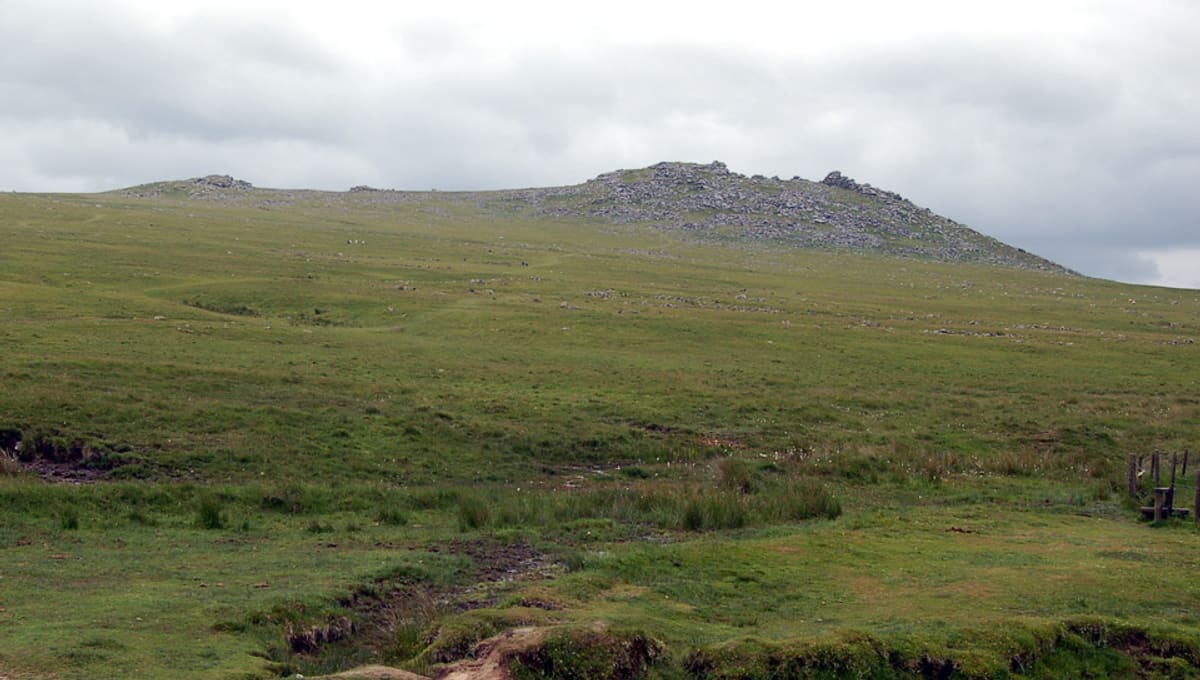
Image: Andy F at English Wikipedia · CC BY 3.0 · Wikimedia Commons
Bodmin Moor is a 208-square-kilometre stretch of granite moorland in northeastern Cornwall, England. In 2017 it became a Dark Sky Landscape, and the first Area of Outstanding Natural Beauty in the United Kingdom to receive DarkSky International accreditation, with the central moor measuring a Bortle 4, darker than most moorland in England.
Why Bodmin Moor is a top stargazing spot
Cornwall Council's commitment to protecting the moor's night sky, combined with low levels of surrounding light pollution, has given Bodmin Moor some of the darkest skies anywhere in the UK. Being the first AONB in the country to earn dark-sky status has also helped drive local education and outreach efforts that highlight the economic and cultural value of keeping the sky dark, and the moor has become a growing astrotourism destination for visitors from across the UK and Europe.
What you can see
Low light pollution over open moorland makes for genuinely dark, wide-open skies, ideal for tracing the Milky Way and picking out far more stars than you'd see from most of England. Colliford Lake, the moor's largest reservoir at around 900 acres, has become a popular stargazing spot in its own right: its still water reflects the night sky on clear, calm nights, doubling the view for anyone parked up at its car park.
Visiting Bodmin Moor at night
The darker seasons, spring, autumn and winter, offer the best stargazing conditions on the moor. Good starting points include the Rough Tor car park near Camelford, and the village of Minions, where the Copper Trail begins and a visitor centre at the former Phoenix United mine gives some background on the area; Forestry England's woodlands nearby also have a cafe and facilities. Minions sits roughly at the centre of the moor and, along with Bolventor (near the Jamaica Inn) and Camelford, makes a good base for a stargazing trip. The ground is often wet underfoot and paths aren't always clearly marked, so bring a map and compass rather than relying on a phone signal that may not reach across the open moor. By day, Bodmin Moor is also popular for hiking, cycling, fishing and rock climbing, so it's easy to combine an active day out with an evening under the stars.
Best time to go
Spring, autumn and winter give the longest, darkest nights on the moor and the best stargazing overall, while summer's shorter nights suit late-evening sessions instead. From this northern latitude the Milky Way's core is best placed roughly March to September, low in the south, and winter brings the brighter stars of Orion and its neighbours overhead along with the Geminids meteor shower in mid-December and the Quadrantids in early January. As with any dark-sky visit, aim for a night near the new Moon, give your eyes 20 to 30 minutes to adjust, and bring a red-light torch to protect your night vision once you're out on the moor.
Getting there
Bodmin Moor is easiest to reach via the A30, which crosses the moor between Launceston and Bodmin. Minions, Camelford and Bolventor all make workable bases with parking near the moor's main trailheads, including the Rough Tor car park and Colliford Lake.
See your named star from here
As the first Dark Sky Landscape of its kind in the UK, Bodmin Moor offers a rare stretch of genuinely dark countryside within reach of much of England. If you've named a star, its coordinates and a stargazing app are all you need to find it from the open moor, perhaps from the shore of Colliford Lake. Explore the star catalogue, or read our guide on how to find a star in the night sky before you head out.
Conditions and access vary by season. Check Google Maps before you travel, and aim for a clear night near the new Moon for the darkest sky.
Satellite imagery: Esri, Maxar, Earthstar Geographics

 90 kmReserve
 169 kmReserve
 186 kmReserve
 198 kmPreserve
Coed y Bont
community woodland near the village of Pontrhydfendigaid, Ceredigion, Wales