
Aotea Great Barrier Island Dark Sky Sanctuary

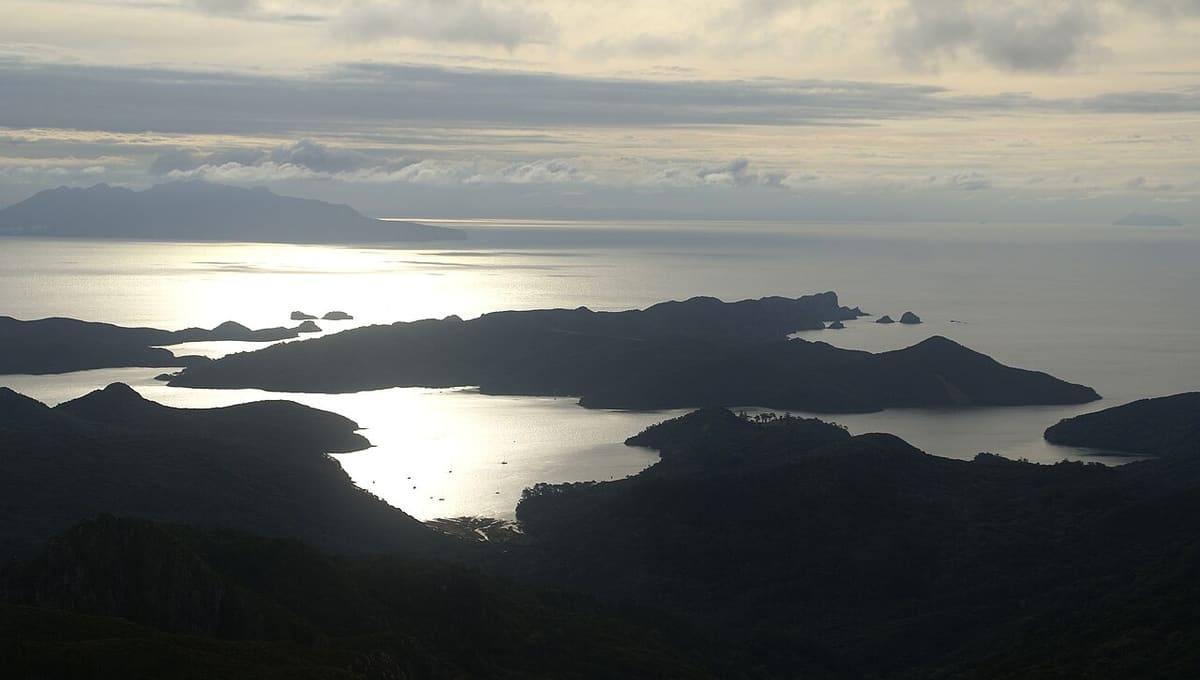
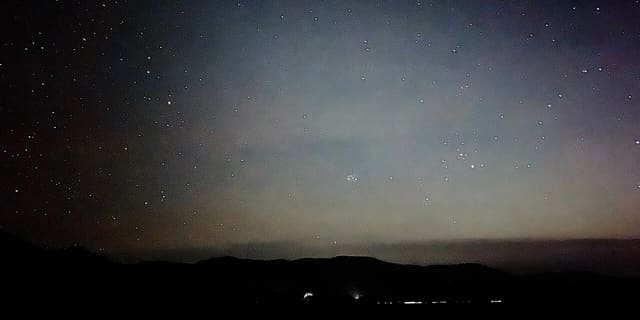
Image: David Baron · CC BY-SA 2.0 · Wikimedia Commons
Aotea Great Barrier Island is the sixth-largest island in New Zealand, sitting in the outer Hauraki Gulf around 100 kilometres northeast of central Auckland. The entire island was designated an International Dark Sky Sanctuary in 2017, the highest level of dark-sky designation, and is reachable by a half-hour flight from Auckland Airport or a ferry crossing from downtown Auckland.
Why Aotea Great Barrier Island is a top stargazing spot
Being an island sanctuary rather than a single site means the dark-sky protection covers the whole of Aotea. Sky quality here regularly reaches Bortle Class 1, the darkest rating there is, and typically sits within Bortle 1 to 2, comfortably meeting the International Dark-Sky Association's sanctuary standard of a sky brightness fainter than magnitude 21.5 per square arcsecond. Visitors report seeing around ten times more stars here than from Auckland, a striking illustration of just how much city lighting normally hides.
What you can see
On a clear, moonless night the Milky Way appears as a river of light spanning the entire sky. The galactic centre sits highest in the sky during July and August, the cooler season, though the island also offers excellent viewing from October through April. Late June or early July brings the rise of Matariki, the Pleiades cluster, which marks the Māori New Year and is a significant cultural event on the island.
Visiting Aotea Great Barrier Island at night
Guided stargazing experiences run on the island's sand dunes, typically lasting one and a half to two hours and covering constellations through both Māori and European traditions. For a self-guided look at the sky, Medlands and Oruawharo Bay offer wide, unobstructed horizons, while Medlands, Okiwi and Awana are known for particularly dark micro-climates. Accommodation ranges from Department of Conservation campsites to luxury eco-lodges, and a number of 'star-friendly' baches and lodges are built with the sky in mind, featuring expansive viewing decks, outdoor baths, large windows and, in some cases, red-light torches provided by the host. Aotea Lodge, for example, has four self-contained units sleeping up to 18 guests between them, with rates from around $330 a night and package deals covering flights, ferry travel and car hire.
Best time to go
Being in the Southern Hemisphere, Aotea's Milky Way core season runs roughly February to October, peaking in July and August when the galactic centre climbs highest. As a Southern Hemisphere site it also offers Southern Cross and Magellanic Cloud views not available from most of the Northern Hemisphere. Whatever the season, plan around the new Moon, since even a bright Moon can wash out the fainter parts of the Milky Way, allow twenty to thirty minutes for your eyes to adjust to the dark, and use a red light rather than a white torch to protect your night vision.
Getting there
Sealink ferries run from Wynyard Wharf in downtown Auckland, a roughly four-and-a-half-hour crossing, with sailings on Fridays, Sundays and Tuesdays and daily service in summer. Barrier Air also flies daily from Auckland's domestic terminal and from Dairy Flat on the North Shore, a flight of around 30 minutes, for those who would rather skip the ferry.
See your named star from here
With roughly ten times the stars visible compared to Auckland, Aotea is one of the best places in the region to find a star you have named through Star Register using its certificate coordinates. Check the star catalogue before you go, bring a stargazing app, and consider joining a guided dune tour to help locate it, or browse our observatories page for more options.
Conditions and access vary by season. Check the official website and Google Maps before you travel, and aim for a clear night near the new Moon for the darkest sky.
Satellite imagery: Esri, Maxar, Earthstar Geographics

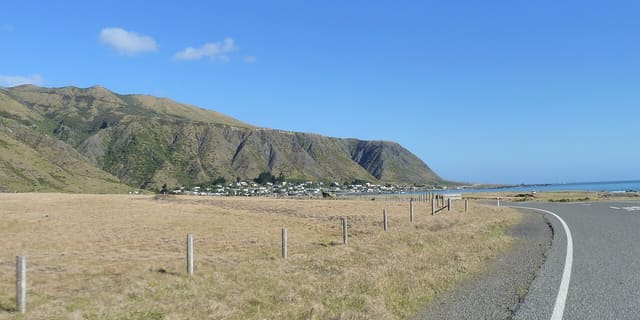 550 kmReserve
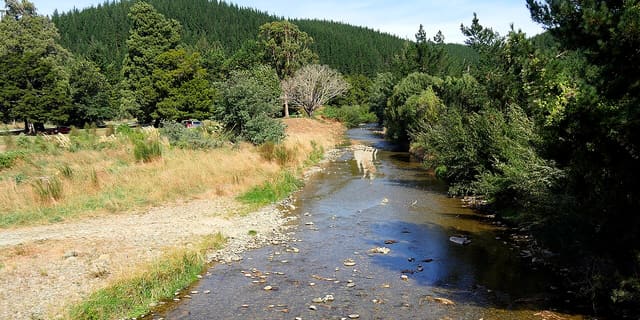 618 kmDark Sky Park
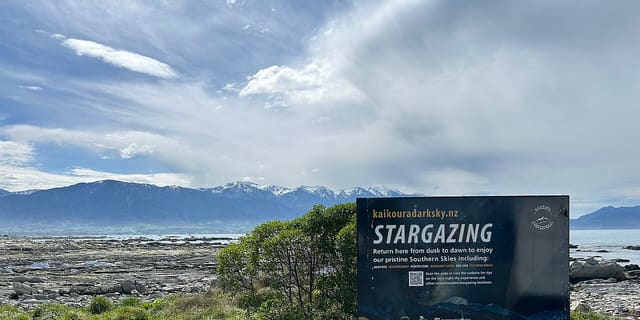 691 kmPreserve
 833 kmDark Sky Park