
Antelope Island State Park

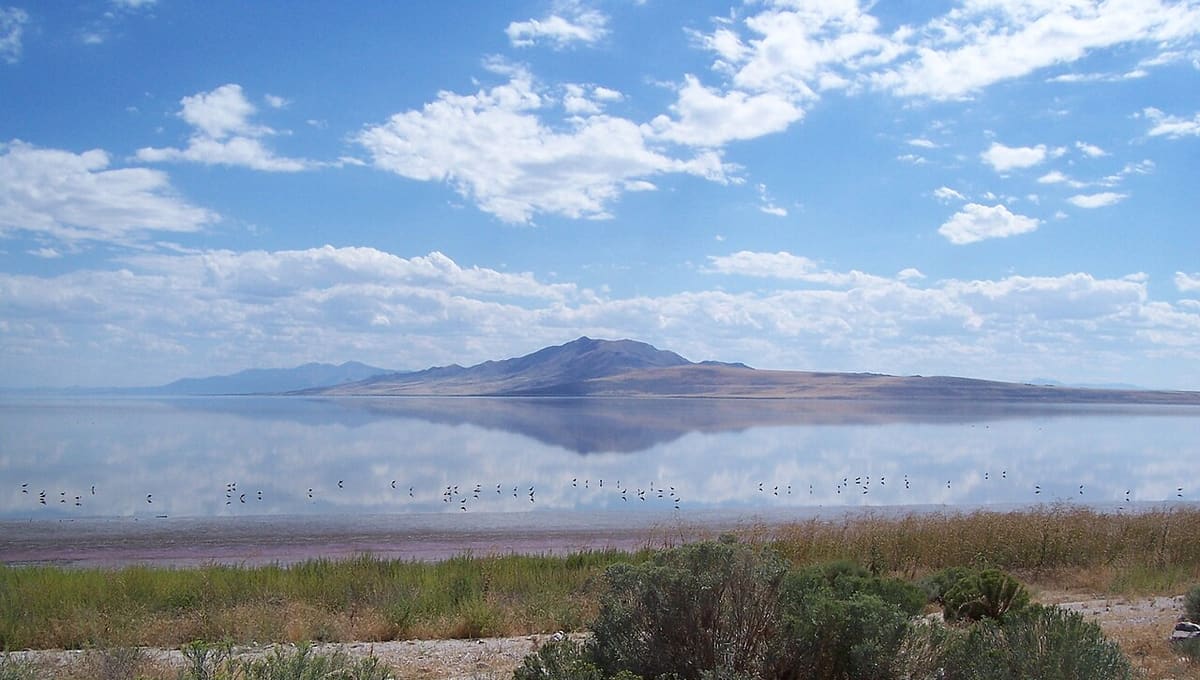
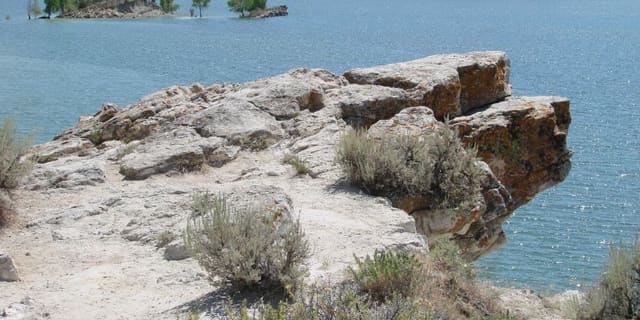
Image: myself · Public domain · Wikimedia Commons
Antelope Island State Park protects the largest of the islands in Utah's Great Salt Lake, a 42-square-mile landmass that becomes a peninsula when lake levels drop. Sitting only about an hour north of Salt Lake City, it was designated an International Dark Sky Park in spring 2017, becoming the third Urban Adjacent Dark Sky Park in the United States and the first in Utah alongside North Fork Park in Weber County. Its certification places it in the Bronze tier of that Urban Night Sky Places category, reflecting its unusual closeness to a major metropolitan area.
Why Antelope Island is a top stargazing spot
What makes this park remarkable is its proximity to a major metropolitan area. Despite being roughly an hour from Salt Lake City, the surrounding waters of the Great Salt Lake and the island's protected status keep light pollution low enough to earn full dark-sky certification, an increasingly rare combination near a large city. Sky quality readings taken across six to nine sites on the island average a sky quality meter value of 20.67, but they vary noticeably from place to place: the western shore, looking out over open water, measures measurably darker than the eastern side, which faces the glow of Salt Lake City across the lake, so choosing a spot on the western side generally gives you the darkest sky.
What you can see
The Milky Way is visible on clear nights, especially during the park's peak stargazing window from March through November. Winter months bring fewer crowds and longer hours of darkness, which suits visitors chasing deep-sky views rather than the summer core of the Milky Way.
Visiting Antelope Island at night
The park is open year-round from 6am to 10pm, with more than 80 campsites ranging from primitive tent spots to full RV hookups, so an overnight stay under the stars is straightforward to arrange; backcountry camping at Split Rock Bay costs $20 a night. Day-use entry runs $15 per vehicle carrying up to eight people ($10 for seniors 65 and over, $5 for motorcycles, $3 for cyclists and pedestrians), and an annual pass costs $65, which also covers the Davis County Causeway fee onto the island. Rangers and park staff run regular programmes including star parties, night sky photography sessions and evening guided hikes, so check the official Utah State Parks site for the current schedule before you go.
Best time to go
Sitting at a mid-northern latitude, Antelope Island offers its best Milky Way views from March through November, with the galactic core climbing higher through the summer months. Winter trades the Milky Way for longer, darker nights and clear views of Orion and the bright winter stars, with far fewer visitors on the causeway. The Perseids in August and the Geminids in December are the meteor showers worth planning around. On any visit, check the Moon phase and aim for the nights nearest new Moon, give your eyes twenty to thirty minutes to adjust to the dark, and use a red light rather than white to preserve your night vision.
Getting there
The island is connected to the mainland by a causeway off Interstate 15 in Davis County, about an hour's drive from downtown Salt Lake City. A vehicle is the only practical way in, and the causeway fee is included in the park's day-use and annual pass pricing.
See your named star from here
With Salt Lake City's glow held at bay by the lake and the island's dark-sky protections, Antelope Island is a genuinely good place to pick out a star you have named with Star Register using its certificate coordinates. Check the star catalogue before your trip, bring a stargazing app, and join one of the ranger-led star parties to get help locating it, or explore nearby options on our observatories page.
Conditions and access vary by season. Check the official website and Google Maps before you travel, and aim for a clear night near the new Moon for the darkest sky.
Satellite imagery: Esri, Maxar, Earthstar Geographics

 52 kmDark Sky Park
 52 kmDark Sky Park
 72 kmDark Sky Park
 231 kmDark Sky Park