
East Canyon State Park

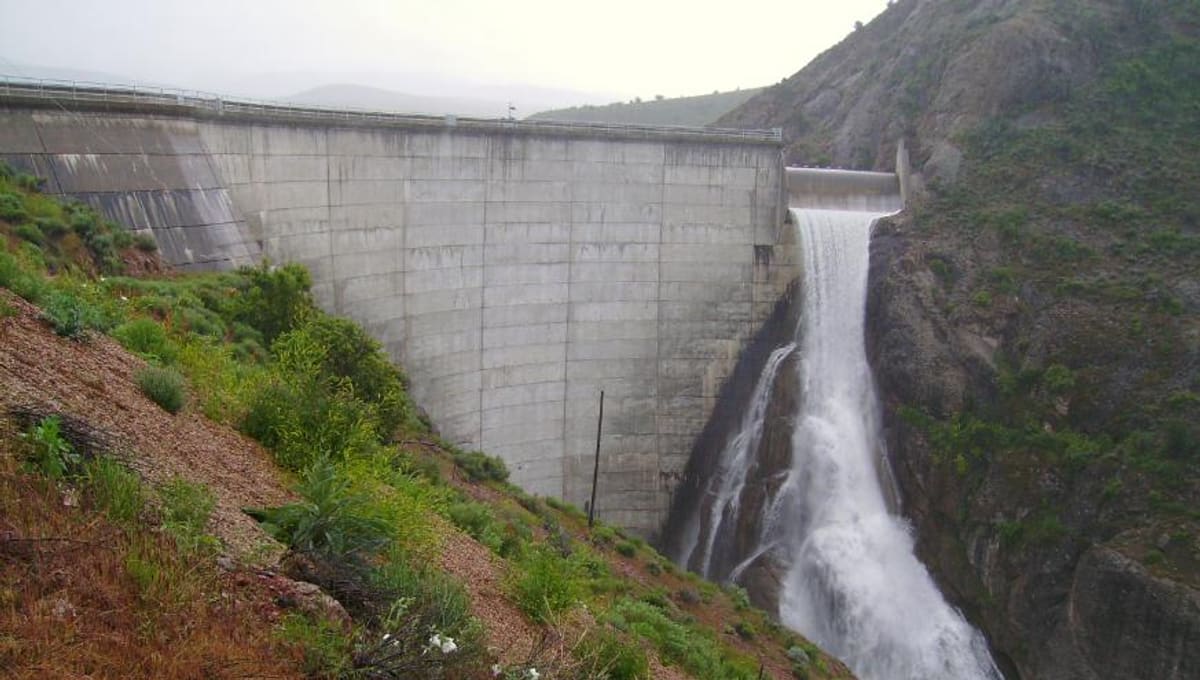
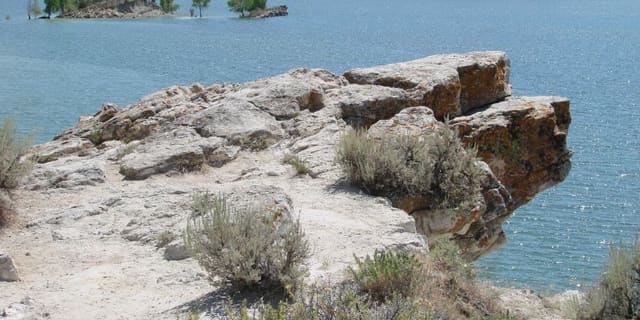
Image: GreenGlass1972 · Public domain · Wikimedia Commons
East Canyon State Park sits around a 608-acre reservoir in Morgan County, Utah, about 35 miles northeast of Salt Lake City, and holds International Dark Sky Park status.
Why East Canyon State Park is a top stargazing spot
The park earned its International Dark Sky Park designation on August 21, 2020, after years of work: sky monitoring began in 2016, and the park upgraded its lighting between 2017 and 2019 to low-Kelvin, low-lumen, full cut-off fixtures fitted with motion detectors. Its skies now measure Bortle Class 2, excellent dark sky quality for a park this close to a major metro area.
What you can see
With Bortle 2 conditions just a short drive from Salt Lake City, visitors can see a clearly defined Milky Way and many more stars than are visible from the city itself, a rare combination of dark skies and easy access.
Visiting East Canyon State Park at night
Daytime visitors come for boating, fishing, camping and hiking, including a stretch of the Mormon Pioneer Trail, and the park runs regular night-sky programmes led by staff alongside dark-sky star parties scheduled throughout the year; check the official calendar for current dates. It has also hosted Star Park Academy courses since 2014. Overnight options are unusually varied for a state park: choose from Old West-style covered wagon rentals, RV camping, yurts, cabins or simple hammock camping. Winter brings typical road closures, so late spring through fall is the more reliable window for a night visit.
Best time to go
From this latitude, the Milky Way's bright core sits low in the south from around March to September, which is also when the park's access roads are most reliably open; winter, when closures are common, instead offers the bright stars of Orion and the rest of the cold-season sky for those who can get there. The Perseids peak in mid-August and the Geminids in mid-December. As with any dark-sky visit, plan around the new Moon, allow twenty to thirty minutes for your eyes to adapt, and switch to red light once it's dark.
Getting there
East Canyon State Park is in Morgan County, Utah, about 35 miles northeast of Salt Lake City. Because winter road closures are common, it is worth checking current conditions before you set out, especially outside the late spring to fall window.
See your named star from here
Being this close to Salt Lake City and still reaching Bortle 2 skies, East Canyon is an easy place to bring a named star's coordinates and actually try to find it. Pair them with a stargazing app, browse the star catalogue or nearby observatories, and see the star-naming packages if you would like to name your own.
Conditions and access vary by season. Check the official website and Google Maps before you travel, and aim for a clear night near the new Moon for the darkest sky.
Satellite imagery: Esri, Maxar, Earthstar Geographics

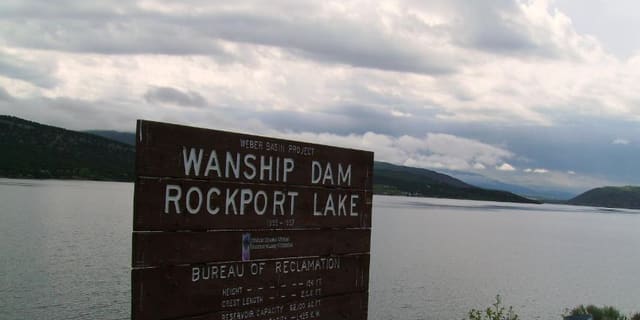 22 kmDark Sky Park
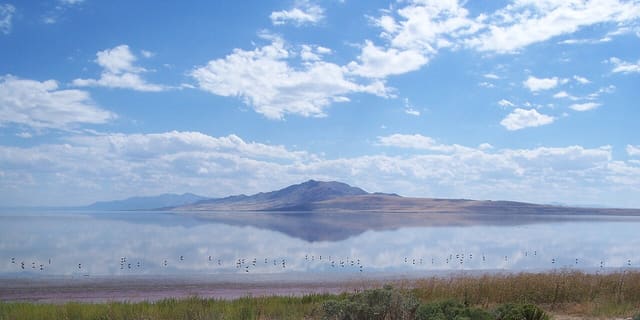 52 kmDark Sky Park
Antelope Island State Park
state park in Davis County, Utah, United States

 59 kmDark Sky Park
 179 kmDark Sky Park