
Rockport State Park

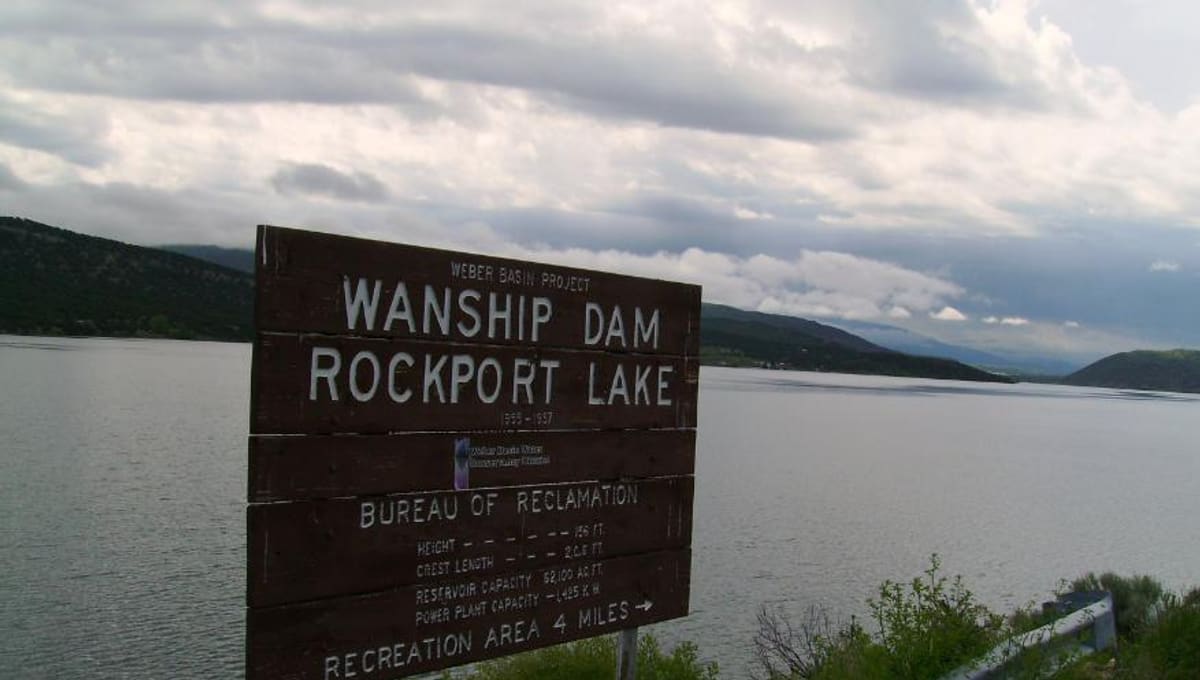
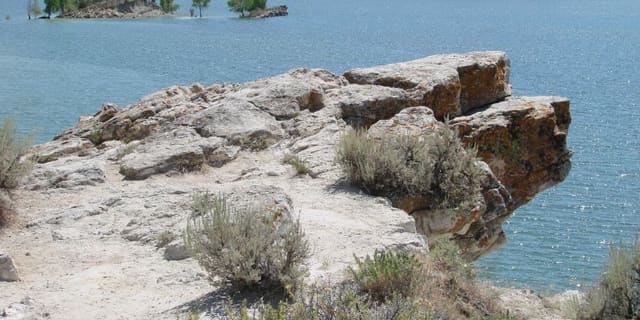
Image: GreenGlass1972 · Public domain · Wikimedia Commons
Rockport State Park sits in a rural valley between the Wasatch and Uinta mountain ranges in Summit County, Utah, at around 6,000 feet of elevation. It was certified as an International Dark Sky Park in 2021, joining a small group of Utah parks recognised for genuinely dark night skies.
Why Rockport State Park is a top stargazing spot
The park earns a Bortle Class 2 rating, placing it among the excellent dark sky sites in the country. Its narrow valley setting between two mountain ranges works in its favour: the Wasatch Range itself blocks light pollution from spilling in from the west, leaving the park with a genuinely dark backdrop once the sun goes down.
What you can see
With Bortle Class 2 conditions, the Milky Way is clearly visible on clear, moonless nights, along with far more stars than most visitors ever see from home. The park's dark sky programming highlights how this darkness benefits nocturnal wildlife too, from scorpions to bats and owls, alongside the view overhead.
Visiting Rockport State Park at night
Rockport offers over 100 campsites for year-round camping, making it easy to stay through to full darkness. The park runs dedicated dark sky programming, including a Scorpion Walk and Star Talk ranger presentations, that combine astronomy with the park's nocturnal ecology. The park has also hosted larger collaborations, including a Star Party at the Highland picnic area run with the University of Utah's Department of Physics and Astronomy. Check the official park website for current program dates before you go.
Best time to go
At around 41 degrees north, Rockport's Milky Way core season runs roughly March through September, best seen low in the southern sky on summer nights, while winter offers crisp views of Orion and the brighter stars overhead once the valley cools. The Perseids in August are an easy highlight given the park's summer camping season, and the Geminids in December reward anyone willing to brave the cold for a clear, dark sky. As always, plan around the new Moon, let your eyes adjust for twenty to thirty minutes, and use a red light to keep your night vision intact.
Getting there
Rockport State Park lies in Summit County, Utah, in the valley between the Wasatch and Uinta ranges. Check the official Utah State Parks website for directions and current access details before you travel.
See your named star from here
Bortle Class 2 skies like Rockport's let you pick out stars that are washed out anywhere near a city, which makes it a great spot to find a star you have named through Star Register. Bring the coordinates and a stargazing app, explore the catalogue for naming options, and see our observatories guide if you'd like a telescope-assisted view nearby.
Conditions and access vary by season. Check the official website and Google Maps before you travel, and aim for a clear night near the new Moon for the darkest sky.
Satellite imagery: Esri, Maxar, Earthstar Geographics

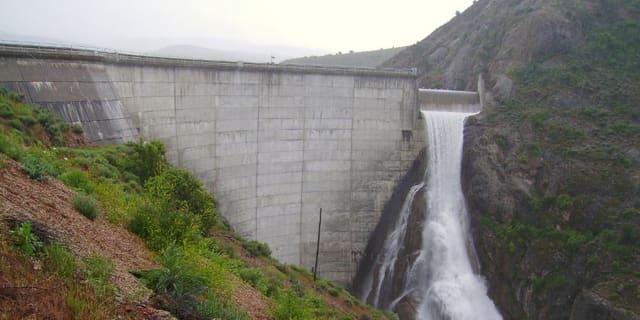 22 kmDark Sky Park
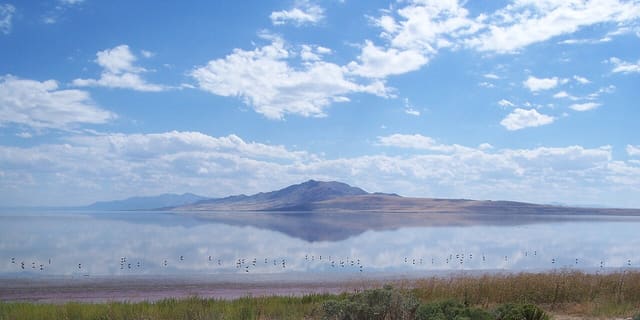 72 kmDark Sky Park
Antelope Island State Park
state park in Davis County, Utah, United States

 80 kmDark Sky Park
 159 kmDark Sky Park