
Weber County North Fork Park

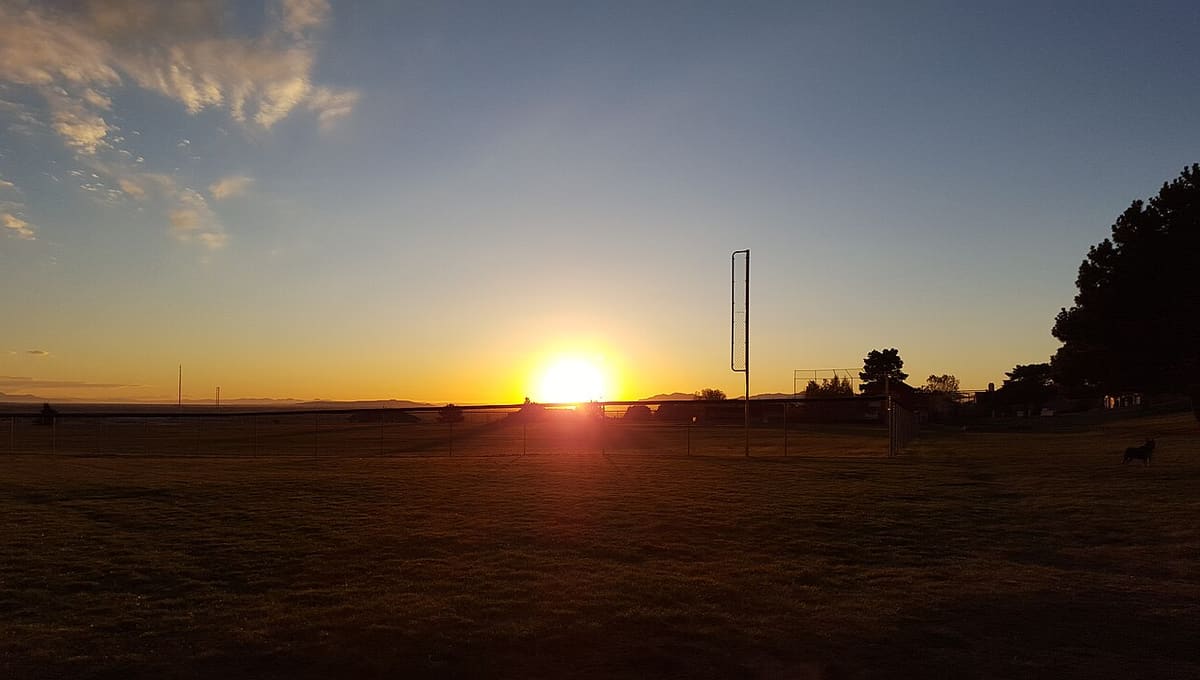
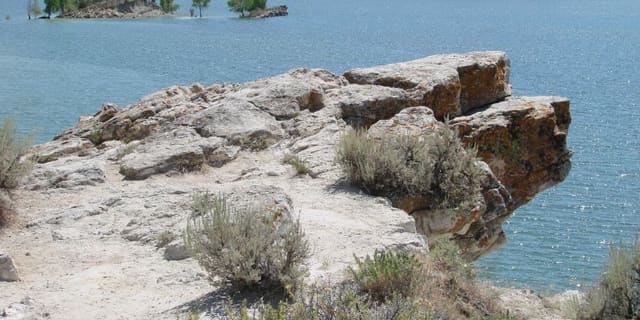
Image: denebola2025 from North Ogden, UT, USA · CC BY 2.0 · Wikimedia Commons
Weber County North Fork Park sits on the eastern side of Utah's Wasatch Range, covering roughly 1,000 hectares at elevations between 1,770 and 1,890 metres (about 5,800 to 6,200 feet). Designated in April 2015, it made history as the world's first Bronze-tier International Dark Sky Park and only the second county park anywhere to earn Dark Sky Park status.
Why Weber County North Fork Park is a top stargazing spot
What sets North Fork Park apart is its location: it serves the roughly 2.2 million residents of the Wasatch Front, making protected dark skies available close to a major urban population. The surrounding Wasatch Mountains act as a natural shield, screening out much of the light glow from Salt Lake City and the Ogden valley below. The park's dark-sky status is not a one-off certificate either: the local IDA Ogden Valley Chapter works with Weber State University on an annual student project that measures night sky brightness each spring, with the readings submitted to the International Dark-Sky Association to help maintain the park's designation.
What you can see
Despite sitting near a large metropolitan area, the park's protected status and mountain setting allow for clear views of the night sky away from city glow, a rare combination for a park this accessible to so many people. Before heading up, visitors can check a Clear Sky Chart forecast for the park to gauge how good conditions are likely to be on a given night.
Visiting Weber County North Fork Park at night
The park offers around 132 individual campsites spread across five areas, each with fire pits, picnic tables, running water and flushing toilets, making an overnight stargazing trip straightforward. In winter, 12 kilometres of groomed cross-country ski trails add another way to experience the park after dark, alongside hiking, biking and horseback riding in warmer months.
Best time to go
From this latitude the Milky Way's core rises well above the horizon from around March through September, and is at its best on clear, moonless nights in the summer months. Winter skies favour Orion and the bright stars of the winter hexagon, along with the Geminid meteor shower in mid-December and the Quadrantids in early January; the Perseids peak each August. Whatever the season, plan around the new Moon and allow 20 to 30 minutes for your eyes to adjust once it is fully dark.
Getting there
North Fork Park lies in Ogden Valley, on the eastern flank of the Wasatch Range northeast of Ogden City, and is reached by paved roads from the valley towns below. Check the Weber County Parks and Recreation site for current road and campsite conditions before visiting, especially in winter.
See your named star from here
A Dark Sky Park built specifically to bring real night skies within reach of millions of people is an ideal place to track down a named star. Bring its coordinates and a stargazing app on your next visit, browse the star catalogue to name your own, and explore more dark-sky parks nearby.
Conditions and access vary by season. Check Google Maps before you travel, and aim for a clear night near the new Moon for the darkest sky.
Satellite imagery: Esri, Maxar, Earthstar Geographics

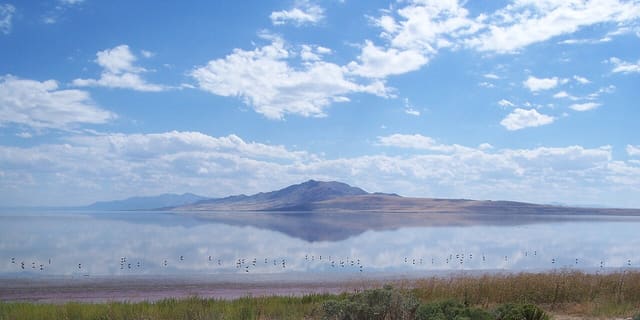 52 kmDark Sky Park
Antelope Island State Park
state park in Davis County, Utah, United States

 59 kmDark Sky Park
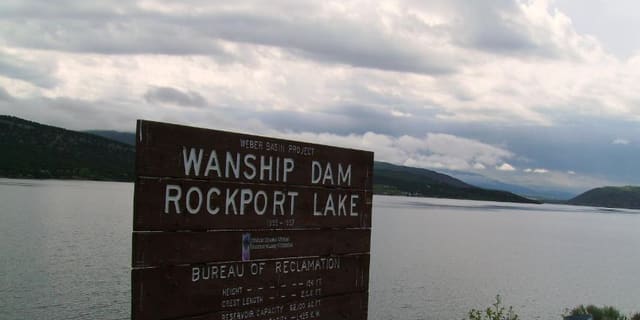 80 kmDark Sky Park
 221 kmDark Sky Park