
NamibRand Nature Reserve

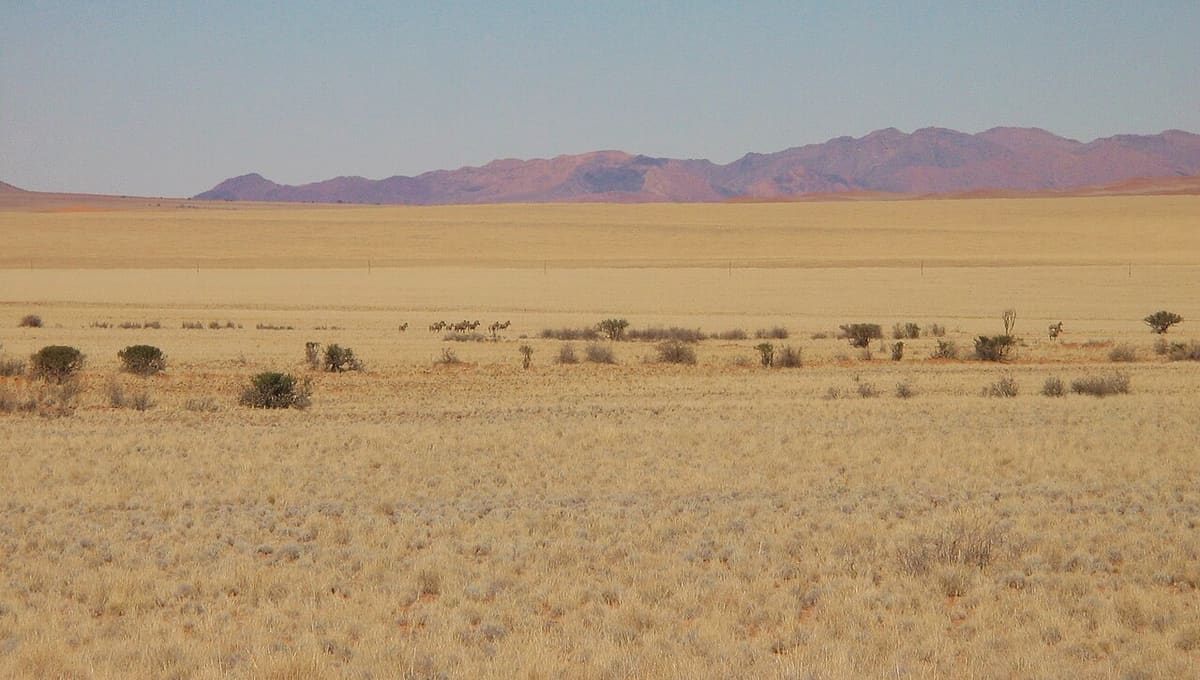
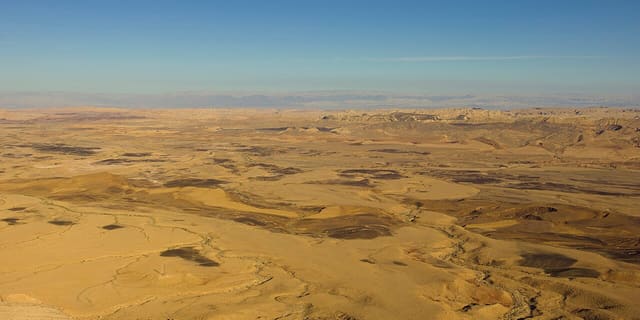
Image: Harald Süpfle · CC BY-SA 2.5 · Wikimedia Commons
NamibRand Nature Reserve is a private nature reserve covering 215,000 hectares in the Namib Desert of southwestern Namibia, founded in 1984 by J.A. (Albi) Brückner. It borders Namib-Naukluft National Park to the west and the Nubib mountains to the east, and it holds Gold Tier International Dark Sky Reserve status, awarded by the International Dark-Sky Association in May 2012 and only the second place on Earth to receive this highest tier of certification.
Why NamibRand is a top stargazing spot
NamibRand was the first International Dark Sky Reserve in the developing world and in Africa, and its sky has been confirmed as Bortle Class 1, the darkest classification on the scale used to measure light pollution. An automated Sky Quality Meter recorder at Keerweder logs readings every five minutes to track just how dark the reserve stays. All artificial lighting on the reserve has been adapted to International Dark-Sky Association standards, with lighting guidelines written directly into the reserve's management plan, and Namibia's desert climate typically delivers more than 300 clear nights a year, making the darkness a deliberate, protected feature rather than an accident of remoteness.
What you can see
On a moonless night at NamibRand, thousands of individual stars are visible to the naked eye. Visitors can see the Milky Way stretching overhead, along with the Magellanic Clouds, satellite galaxies visible from the southern hemisphere, and zodiacal light, phenomena that are essentially invisible anywhere with meaningful light pollution.
Visiting NamibRand at night
The reserve is financially self-sustaining mainly through low-impact tourism, with strict conservation limits of one guest bed per 1,000 hectares and no more than 25 guest-beds at any single location. Several lodges lean into the darkness directly: Kwessie Dunes Lodge has 12 chalets including separate star-gazer rooms fully open to the sky, and the Wolwedans Collection, spanning Dune Camp, Dunes Lodge, Private Camp and Boulders Camp, offers Desert Sleepout and Star Bed experiences for sleeping directly under the stars. Trained astronomy guides from Wolwedans and Tok-Tokkie Trails lead sessions sharing constellation stories and planetary viewing. Check the official NamibRand website for current lodge and visitor information before planning a trip.
Best time to go
South of the equator, the bright core of the Milky Way rides high overhead through the southern winter and spring, roughly February to October, making that stretch the prime stargazing season, while the southern summer months still offer the Magellanic Clouds and zodiacal light on clear nights. The Geminids, peaking in mid-December, are joined by southern-favoured showers such as the Eta Aquariids in May. Whatever the season, plan your visit within a few days of the new Moon, allow 20 to 30 minutes for your eyes to adapt to the dark, and use red light rather than white once you are outside.
Getting there
NamibRand lies in the Namib Desert of southwestern Namibia, reached via the reserve's private lodges and camps rather than a single public entrance. Check the NamibRand website for current access routes and transfer options from Windhoek before you travel.
See your named star from here
Few places on Earth offer a darker sky than NamibRand, which makes it an outstanding place to track down a named star with its coordinates and a stargazing app. Look up your star in the catalogue, read our guide to finding a star in the night sky, and browse our observatories list for other exceptional dark-sky destinations.
Conditions and access vary by season. Check the official website and Google Maps before you travel, and aim for a clear night near the new Moon for the darkest sky.
Satellite imagery: Esri, Maxar, Earthstar Geographics

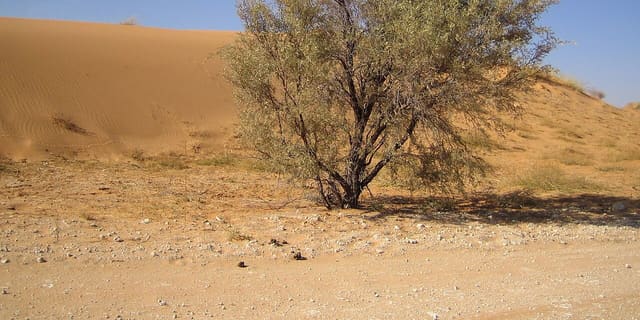 446 kmSanctuary
!Ae!Hai Kalahari Heritage Park
UNESCO World Heritage Site in Northern Cape, South Africa

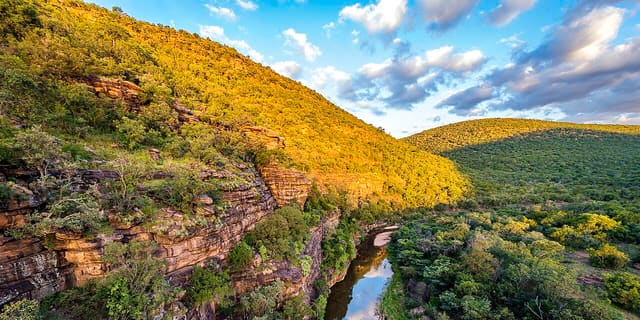 1,258 kmDark Sky Park
Lapalala Wilderness
conservation area in Waterberg Biosphere, Limpopo, South Africa

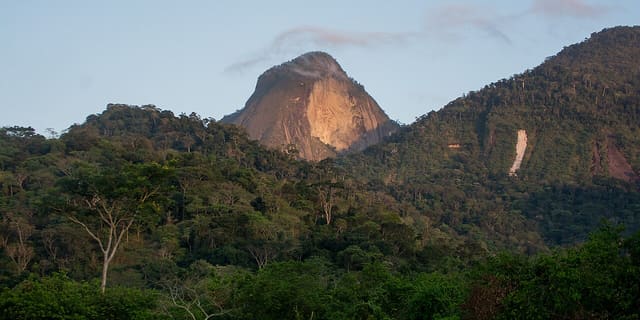 5,873 kmDark Sky Park
 6,497 kmDark Sky Park